


You might only know Switzerland for its tasty cheese, its excellent watches or its convenient pocket knives. When business people think of Switzerland, they might think of its world-famous banking system. But Switzerland is much more. Take a minute to find out what makes this small European country more than just a place that makes delicious chocolate.
你可能知道瑞士出產美味的起司、精良的手錶和方便的瑞士刀,但一提到瑞士,商人想到的可能是舉世聞名的銀行系統, 不過瑞士有的不只這些。花點時間了解這個歐洲小國,它可不只是一座「巧克力工廠」喔!
Culturally and politically, Switzerland is not like many other places in Europe. Rather than having one main language and culture, Switzerland is a place where the cultures and languages of the countries around it come together. Because of this, Switzerland is a very heterogeneous country. It has a large population of foreigners, which means that there are always new ideas arriving from around the world. Switzerland has a reputation all over the world for being a place where excellent research is done. Many people who have won Nobel Prizes are Swiss or live in Switzerland.
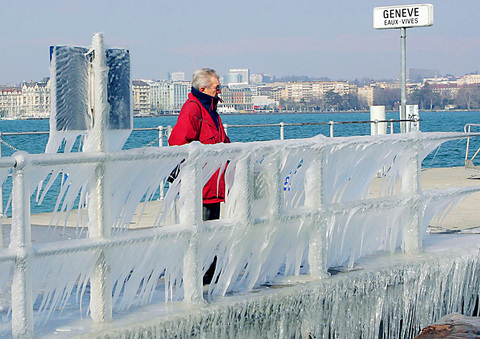
PHOTO: EPA
The government of Switzerland is not like any other government in the world. It is actually a group of 26 regional governments, called cantons, that work together. The first union of these cantons formed as far back as the late 1200s or early 1300s. This makes Switzerland one of the oldest democracies in the world.
But what makes Switzerland truly unique is its voting system. Unlike every other country, it is a direct democracy. This means that its citizens have the right to vote on every single law passed by the politicians, and they also have the right to propose a new law. When there is a really controversial issue, the whole country gets to vote instead of just lawmakers.
瑞士在文化和政治方面和多數歐洲國家不同,沒有單一文化或語言,鄰國的語言與文化在此融合,造就了瑞士多元異質的特性。瑞士拜境內大量外籍人士所賜,總是有來自世界各國的好點子,更有享譽全球的研究水準,許多諾貝爾獎得主不是瑞士人就是住在瑞士。
瑞士政府也和世上多數政府不同,是由二十六個叫「 cantons」(同「州」的概念)的地方政府共治,這些州最早於十三世紀末和十四世紀初開始聯合執政,使瑞士成為少數最古老且至今尚存的民主政體。
瑞士真正特別的是它的投票制度,和其他國家不同的是,瑞士採行直接民主,每位公民都有權投票否決國會通過的法案,也有權提議新法案。出現很有爭議的法案時,全國都必須針對此議案投票,而非只有議員。
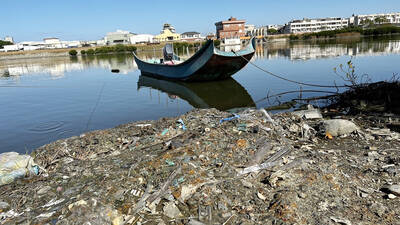
Many consumers are guilty of filling drawers or closets with old laptops, cellphones, fitness trackers and other electronic devices once they are no longer needed. It’s hard to know where to recycle such items, or it seems costly and inconvenient to do so. The world generates millions of tons of electronic waste — also called e-waste — each year. According to the UN’s most recent estimate, people worldwide produced 62 million metric tons of e-waste in 2022, and only about 22 percent of it was properly recycled. The US’ Environmental Protection Agency estimates that less than a quarter of e-waste is
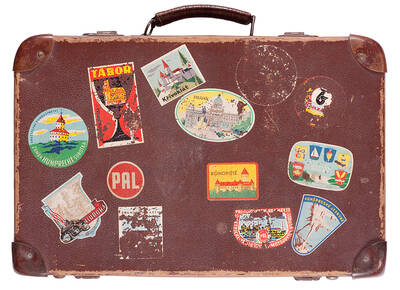
Travel fever is back, and it’s contagious. After years of being kept home during the COVID-19 pandemic, people are once again eager to explore the world. Rather than just book any trip, travelers are getting smarter about how they scratch that travel itch. Microcation Defined as four days or fewer and over 160km away from home, the microcation perfectly matches the post-pandemic mindset. After long periods of remaining indoors, people are making up for lost time by taking short, frequent getaways throughout the year. These brief trips avoid the work-life imbalance that comes with long absences. With only a few days away, one’s
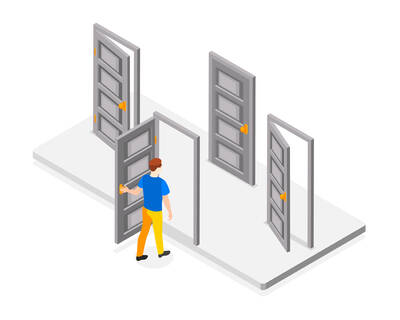
You’re sitting in class when a classmate asks to borrow a pencil. It seems like a small favor, so you agree without hesitation. The following week, the same classmate asks to share your notes. Later, they request help with a group project. You agree each time — after all, you helped out the first time — but before you know it, it has become automatic. This scenario demonstrates the “foot-in-the-door technique,” a psychological concept that shows how agreeing to small, acceptable demands makes it easier to accept larger ones later on. The name for this strategy comes from door-to-door
Continued from yesterday(延續自昨日) https://www.taipeitimes.com/News/lang Gig Tripping “Gig tripping” combines concerts with travel. People fly to see their favorite artists perform — usually abroad—and spend a few days sightseeing before or after the show. While die-hard fans have done this since the 1960s, the post-pandemic travel boom changed the game. Even people who aren’t superfans are now booking international concert trips because they want to make the most of travel opportunities. This trend exploded in the US, as the math makes sense. Domestic concert tickets are so costly that flying abroad for the show plus tourism expenses often matches or even beats the price


 RSS
RSS