


Taiwan pineapples are to be exported to the US for the first time later this year, after the US yesterday announced importation requirements, the Ministry of Agriculture said today.
The US Animal and Plant Health Inspection Service yesterday published a draft of requirements to import Taiwanese pineapples, with a 62-day comment period, the ministry said in a news release.
The US maintains strict requirements for imported fresh fruit, it said.
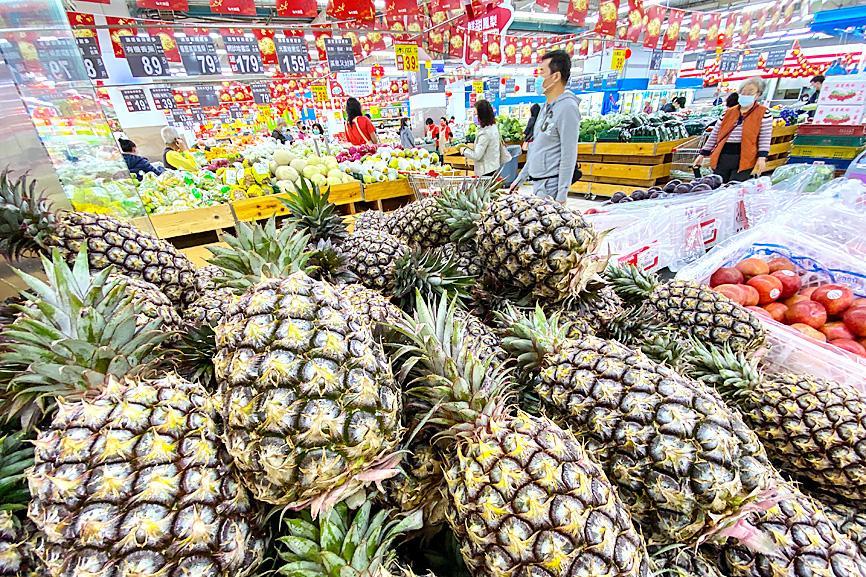
Photo: Ritchie B. Tongo, EPA-EFE
The ministry’s Animal and Plant Health Inspection Agency applied to export pineapples to the US in 2020 and has since cooperated with the US to provide all the necessary information and reports, it said.
The US is concerned about the oriental fruit fly and mealybug caterpillar, but agreed that pineapples with more than 50 percent Cauyenne genetics do not host the oriental fruit fly, the ministry said.
These pineapples, which include the golden diamond and mango pineapple varieties, do not need special quarantine treatments, it said.
Pineapple is a flagship export fruit for Taiwan, the ministry said.
Taiwanese pineapples come in many varieties and are supplied year-round, as farmers utilize different varieties and production methods, it said.
They are currently exported to more than 10 countries including Japan, Hong Kong, Singapore, South Korea, Australia, Canada and New Zealand, it said.
Last year 16,892 tonnes of pineapples worth NT$750 million (US$23.62 million) were exported, it added.
The ministry is offering export incentives and encouraging farmers and exporters to expand into the US market, it said.
Using the experience and resources of Taiwan’s overseas offices, it would run marketing activities to help businesses build partnerships with US buyers and expand Taiwanese pineapple sales there, it added.

The Tourism Administration yesterday announced that it would reward repeat international visitors with incentives of up to NT$8,000 to boost inbound tourism. The incentives are available to all international tourists, it said, adding that repeat visitors would be rewarded with NT$5,000 and would receive an additional NT$3,000 if they bring travel companions. The nation received 2,990,657 inbound visitors during the first quarter, marking a 3.8 percent increase from the same period last year, agency data showed. Japanese nationals are among groups visiting Taiwan the most. About 1.48 million Japanese tourists arrived last year, a year-on-year increase of more than 12
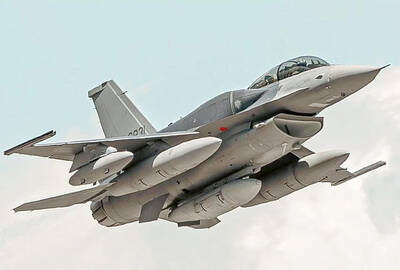
66 FIGHTER JETS: The aircraft is likely undergoing preparations for its transfer to Taiwan — a significant step forward in the nation’s modernization program, a lawmaker said The first of Taiwan’s order of F-16V Block 70 aircraft has been sighted in Texas ahead of delivery, Democratic Progressive Party (DPP) Legislator Wang Ting-yu (王定宇) said. Taiwan’s first F-16V Block 70 two-seat aircraft, tail number 6831, was seen flying from Lockheed Martin’s production facility in Greenville, South Carolina, to Naval Air Station Joint Reserve Base Fort Worth in Texas, Wang wrote on Facebook yesterday. The plane is likely undergoing preparations for its transfer to Taiwan, marking a significant step forward in the Republic of China Air Force’s modernization program, Wang said, citing military analysts. The F-16V Block 70 is a new-build version
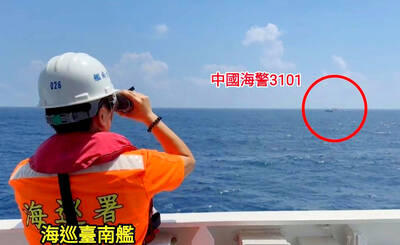
‘BRAZEN’: The holiday did not stop China from activities that infringe on Taiwan’s maritime jurisdiction, but the CGA is ready to defend the nation, Kuan Bi-ling said Beijing is intensifying maritime pressure on Taiwan, but the nation will never yield, Ocean Affairs Council Deputy Minister Sung Chen-en (宋承恩) said. The Coast Guard Administration (CGA) has adopted a “shadowing and monitoring” approach to avoid falling into a Chinese trap to escalate tensions and deepen the conflict, Sung said in an interview published yesterday in the Chinese-language Liberty Times (the Taipei Times’ sister newspaper). China Coast Guard formations patrolling waters east of Taiwan, as well as official Chinese vessels entering areas around Itu Aba Island (Taiping Island, 太平島) and Pratas Islands (Dongsha Islands, 東沙群島) show Beijing’s attempts to significantly step up
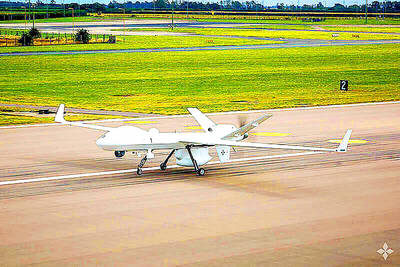
BOOST: By operating the same advanced systems as the US military, Taiwan would be better positioned to share and integrate intelligence with partners, an expert said The first batch of MQ-9B SkyGuardian drones has arrived in Taiwan, and is being assembled and tested by drone manufacturer General Atomics and the military ahead of flight trials as part of the air force’s acquisition to bolster its aerial surveillance capabilities, a source said yesterday. The air force allocated a budget of NT$21.7 billion (US$687 million) from 2022 to 2029 to procure four MQ-9B uncrewed aerial vehicles (UAVs) manufactured by General Atomics along with associated equipment such as ground control stations. The US has agreed to deliver the four MQ-9Bs to Taiwan in two batches this year and next


 RSS
RSS