


Beverage shops are to be banned from serving drinks in single-use plastic cups in September, the Ministry of Environment said yesterday, adding that it is also considering subsidizing the use of reusable cups at professional baseball games and other enclosed venues.
Beverage shops in 21 cities and counties have already stopped using single-use takeaway plastic cups since the Parties Subject to and Means for Single-use Takeaway Beverage Cups Restrictions (一次用飲料杯限制使用對象及實施方式) were implemented on July 1, 2022, the ministry said in a statement.
Aside from banning single-use plastic cups, the rules also require shops to provide reusable cups for customers to borrow and give customers who bring their own reusable cups a rebate of at least NT$5.
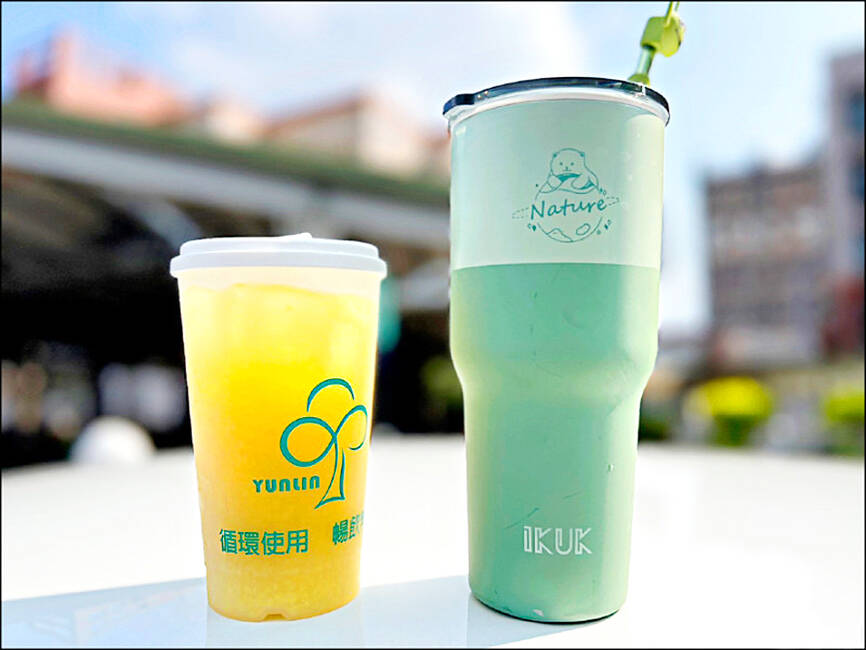
Photo: Chen Chia-yi, Taipei Times
Kinmen County, which still permits single-use plastic cups, would begin prohibiting them in September, the ministry said.
“That means no beverage shops in the country would provide single-use plastic cups starting in September,” it said.
The rules have since July 2022 helped reduce the use of single-use beverage cups by 17 percent and about 790 million single-use plastic cups have been replaced by reusable cups or cups made from materials other than plastic, ministry data showed.
As of last year, 1,763 retail stores and restaurants from seven large convenience store chains and eight fast food chains have provided reusable cups, which accounted for 12 percent of all the retail sales venues they owned, the ministry said.
Collectively, they provided 198,000 reusable cups for customers to borrow, it added.
Last year, 160 million drinks sold in convenience stores and fast-food restaurants were served using consumers’ own cups, and the percentage of customers who brought their cups was 2.8 times higher than before the rules were implemented, the ministry said, citing data from convenience store and fast-food chain operators.
“This shows how a government policy has changed the habits of consumers,” the ministry said.
To further reduce the use of single-use plastic cups, the ministry said that it is considering subsidizing the use of reusable cups at professional baseball games and other enclosed venues.
The purpose is to give those who have not tried using reusable cups the opportunity to access the service in the hope they would consider using it again.
The ministry also stipulates guidelines for operators who offer reusable cups, which regulate borrowing, returning, cleaning and inspection of reusable cups, as well as communication with consumers, it said.
“The quality of reusable cup services must be consistent, and business operators who offer the service must submit a report on hygiene inspection results every six months,” the ministry said, adding that no operator failed the hygiene inspection last year.
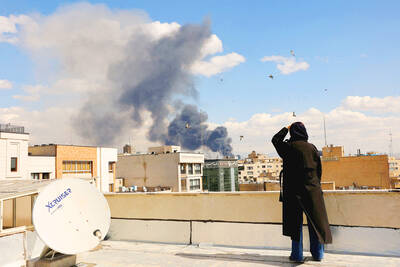
CHAOS: Iranians took to the streets playing celebratory music after reports of Khamenei’s death on Saturday, while mourners also gathered in Tehran yesterday Iranian Supreme Leader Ayatollah Ali Khamenei was killed in a major attack on Iran launched by Israel and the US, throwing the future of the Islamic republic into doubt and raising the risk of regional instability. Iranian state television and the state-run IRNA news agency announced the 86-year-old’s death early yesterday. US President Donald Trump said it gave Iranians their “greatest chance” to “take back” their country. The announcements came after a joint US and Israeli aerial bombardment that targeted Iranian military and governmental sites. Trump said the “heavy and pinpoint bombing” would continue through the week or as long
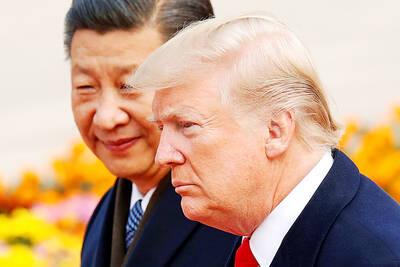
TRUST: The KMT said it respected the US’ timing and considerations, and hoped it would continue to honor its commitments to helping Taiwan bolster its defenses and deterrence US President Donald Trump is delaying a multibillion-dollar arms sale to Taiwan to ensure his visit to Beijing is successful, a New York Times report said. The weapons sales package has stalled in the US Department of State, the report said, citing US officials it did not identify. The White House has told agencies not to push forward ahead of Trump’s meeting with Chinese President Xi Jinping (習近平), it said. The two last month held a phone call to discuss trade and geopolitical flashpoints ahead of the summit. Xi raised the Taiwan issue and urged the US to handle arms sales to
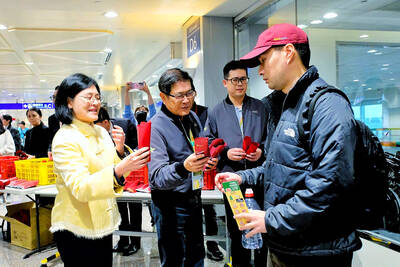
An Emirates flight from Dubai arrived at Taiwan Taoyuan International Airport yesterday afternoon, the first service of the airline since the US and Israel launched strikes against Iran on Saturday. Flight EK366 took off from the United Arab Emirates (UAE) at 3:51am yesterday and landed at 4:02pm before taxiing to the airport’s D6 gate at Terminal 2 at 4:08pm, data from the airport and FlightAware, a global flight tracking site, showed. Of the 501 passengers on the flight, 275 were Taiwanese, including 96 group tour travelers, the data showed. Tourism Administration Deputy Director-General Huang He-ting (黃荷婷) greeted Taiwanese passengers at the airport and
State-run CPC Corp, Taiwan (CPC, 台灣中油) yesterday said that it had confirmed on Saturday night with its liquefied natural gas (LNG) and crude oil suppliers that shipments are proceeding as scheduled and that domestic supplies remain unaffected. The CPC yesterday announced the gasoline and diesel prices will rise by NT$0.2 and NT$0.4 per liter, respectively, starting Monday, citing Middle East tensions and blizzards in the eastern United States. CPC also iterated it has been reducing the proportion of crude oil imports from the Middle East and diversifying its supply sources in the past few years in response to geopolitical risks, expanding


 RSS
RSS