


If you want to finish a quick lunch but without compromising your tastebuds with a bland bowl of noodles, Hui Hui is your best choice. This small restaurant provides a variety of tasty eats, ranging from Southern China's Yunnan cuisine to food from Myanmar and Thailand.
Jiang Tsi-hui (
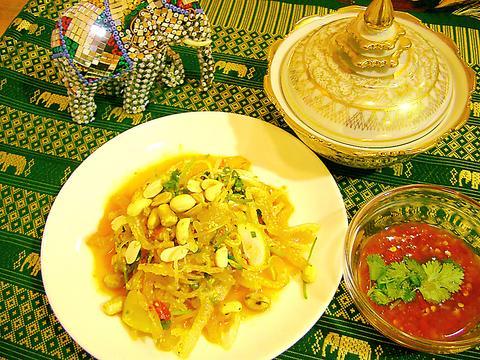
PHOTO: YU SEN-LUN, TAIPEI TIMES
Thai, Myanmar and Yunan cuisine all have a reputation for being sour, spicy and a bit sweet, depending on the proportion and use of the various herbs and spices. The Jiang family is good at playing with the different tastes and has created more than 100 dishes for the two restaurants.
They have also mixed the tastes into their home-made sweet-and-sour sauce. A bowl of Yunnan cold noodles (
Yunnan Rice Noodles or Yunnan Rice are two brand-name dishes. Jiang blends the tastes of stewed tomatoes, onions and turmeric powder and then sautees them with meat sauce. Pour the sauce on the rice and it becomes Yunnan Rice. Add it to the soup noodles and it will become the Yunnan Rice Noodles. Each costs NT$50.
For spicier tastes one should try the hot coconut-flavored chicken rice (辣椰汁雞飯). This plate of dark stir-fried rice contains a rich Thai hot sauce and is mixed with coconut flavored chicken. According to Jiang this NT$80 dish is the most popular among foreign customers.
Cold dishes, including cold beef, cold chicken shredded salad, is priced from NT$50 to NT$150. They are a must-try at Hui Hui. Jelly seaweed salad (涼拌珊瑚草) is one of the current food promotions at the restaurant. Jelly seaweed is also known as the bird's nest of the sea, and it's rich in collagen and calcium, a necessity for anyone who cares for good skin. The salad tastes similar to Thai style papaya salad but the chewy texture of jelly seaweed has given the dish an extra flavor.
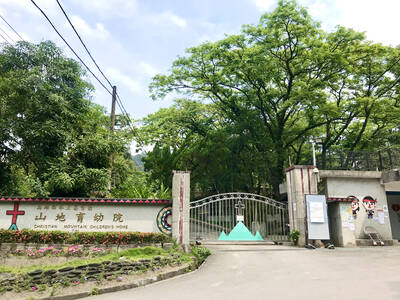
May 18 to May 24 Pastor Yang Hsu’s (楊煦) congregation was shocked upon seeing the land he chose to build his orphanage. It was surrounded by mountains on three sides, and the only way to access it was to cross a river by foot. The soil was poor due to runoff, and large rocks strewn across the plot prevented much from growing. In addition, there was no running water or electricity. But it was all Yang could afford. He and his Indigenous Atayal wife Lin Feng-ying (林鳳英) had already been caring for 24 orphans in their home, and they were in
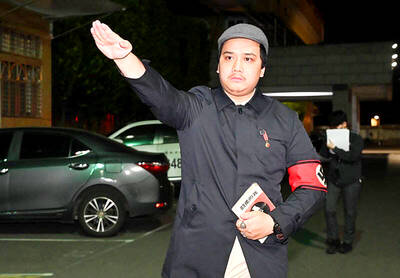
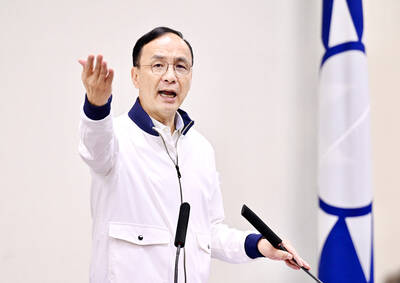
On May 2, Chinese Nationalist Party (KMT) Chairman Eric Chu (朱立倫), at a meeting in support of Taipei city councilors at party headquarters, compared President William Lai (賴清德) to Hitler. Chu claimed that unlike any other democracy worldwide in history, no other leader was rooting out opposing parties like Lai and the Democratic Progressive Party (DPP). That his statements are wildly inaccurate was not the point. It was a rallying cry, not a history lesson. This was intentional to provoke the international diplomatic community into a response, which was promptly provided. Both the German and Israeli offices issued statements on Facebook
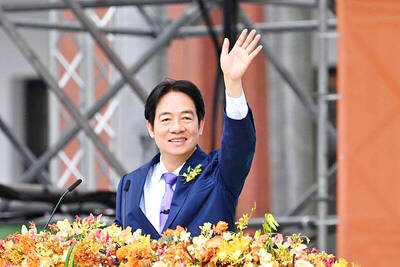
President William Lai (賴清德) yesterday delivered an address marking the first anniversary of his presidency. In the speech, Lai affirmed Taiwan’s global role in technology, trade and security. He announced economic and national security initiatives, and emphasized democratic values and cross-party cooperation. The following is the full text of his speech: Yesterday, outside of Beida Elementary School in New Taipei City’s Sanxia District (三峽), there was a major traffic accident that, sadly, claimed several lives and resulted in multiple injuries. The Executive Yuan immediately formed a task force, and last night I personally visited the victims in hospital. Central government agencies and the
Australia’s ABC last week published a piece on the recall campaign. The article emphasized the divisions in Taiwanese society and blamed the recall for worsening them. It quotes a supporter of the Taiwan People’s Party (TPP) as saying “I’m 43 years old, born and raised here, and I’ve never seen the country this divided in my entire life.” Apparently, as an adult, she slept through the post-election violence in 2000 and 2004 by the Chinese Nationalist Party (KMT), the veiled coup threats by the military when Chen Shui-bian (陳水扁) became president, the 2006 Red Shirt protests against him ginned up by


 RSS
RSS