


對話 Dialogue
清清:華華,今天是臘月初八,你喝臘八粥了沒?
Qīngqing: Huáhua, jīntiān shì là yuè chūbā, nǐ hē Làbāzhōu le méi?
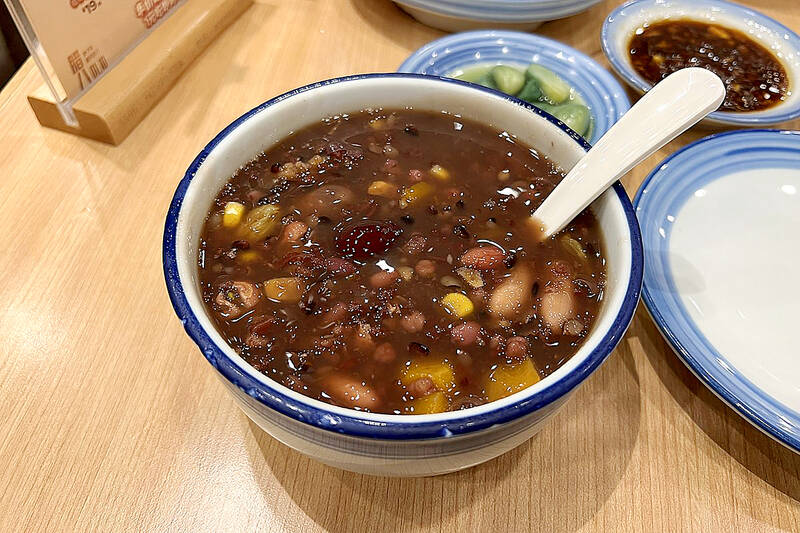
Photo courtesy of Wikimedia commons / 照片:Wikimedia commons 提供
華華:臘月初八?是什麼意思啊?為什麼要喝臘八粥?
Huáhua: Là yuè chūbā? Shì shénme yìsi a? Wèishénme yào hē Làbāzhōu?
清清:「臘月」就是農曆的12月,「初八」就是這個月的第8天。一到臘月初八,就開始準備過年了。以前的人就用暖呼呼的臘八粥,在寒冷的冬天拜祖先、祈求來年豐收,後來就有了喝臘八粥的習俗了。
Qīngqing: Là yuè jiùshì nónglì de shíèr yuè, chūbā jiùshì zhèige yuè de dì bā tiān.
Yídào là yuè chūbā, jiù kāishǐ zhǔnbèi guònián le. Yǐqián de rén jiù yòng nuǎnhūhūde Làbāzhōu, zài hánlěng de dōngtiān bàizǔxiān, qíqiú láinián fēngshōu, hòulái jiù yǒule hē Làbāzhōu de xísúle.
華華:那「臘八粥」又是什麼呢?裡面有哪些東西啊?
Huáhua: Nà “làbā zhōu” yòushì shénme ne? Lǐmiàn yǒu nǎxiē dōngxi a?
清清:其實平常常見的「八寶粥」,在臘月初八這天喝,就是臘八粥。只要在粥裡放上八種你喜歡的豆類或穀物就行了!記得要吃甜的,讓你從今年到明年都甜蜜蜜,幸福一整年!
Qīngqing: Qíshí píngcháng chángjiàn de “bābǎozhōu”, zài là yuè chūbā zhè tiān hē, jiùshì Làbāzhōu. Zhǐyào zài zhōu lǐ fàng shàng bā zhǒng nǐ xǐhuān de dòulèi huò gǔwù, jiù xíng le! Jìdé yào chī tián de, ràng nǐ cóng jīnnián dào míngnián dōu tiánmìmì, xìngfú yìzhěngnián!
華華:那我要趕快去買材料,回家燉一大鍋臘八粥,好好喝上幾碗,希望迎來滿滿的好運!
Huáhua: Nà wǒ yào gǎnkuài qù mǎi cáiliào, huí jiā dùn yídàguō làbā zhōu, hǎohǎo hē shàng jǐ wǎn, xīwàng yínglái mǎnmǎn de hǎoyùn!
翻譯 Translation
Qingqing: Huahua, today is the 8th day of the twelfth lunar month. Have you ever had Laba porridge?
Huahua: The 8th day of the twelfth lunar month? What does that mean? Why would I have Laba porridge?
Qingqing: La yue is the twelfth month in the lunar calendar, and ch?b? is the 8th day of this month. When the 8th day of the twelfth lunar month arrives, preparations for the Lunar New Year begin. People used to have warm Laba porridge to pay respects to their ancestors and pray for a bountiful harvest in the coming year. This tradition later evolved into having Laba porridge.
Huahua: What is Laba porridge and what is it made of?
Qingqing: Laba porridge is similar to the commonly known Eight Treasure Congee. It becomes Laba porridge when you have it on the 8th day of the twelfth lunar month. You can put eight types of beans or grains that you like into the porridge. Remember to make it sweet so you can have a sweet and happy year from this year to the next!
Huahua: I see. I’ll quickly buy the ingredients and make a big pot of Laba porridge at home. I’ll enjoy several bowls of it, hoping to usher in good luck!
生詞 Vocabulary
1. 臘月初八 (là yuè chūbā) the eighth day of the twelfth lunar month, Laba Festival
2. 臘八粥 (Làbāzhōu) Laba porridge
3. 暖呼呼 (nuǎnhūhū) warm
4. 拜祖先 (bàizǔxiān) offer sacrifices to ancestors, pay homage to ancestors
5. 祈求 (qíqiú) pray for, beseech
6. 豐收 (fēngshōu) bountiful harvest, abundant yield
7. 穀物 (gǔwù) cereal
8. 甜蜜蜜 (tiánmìmì) sweet
教材音檔 Audio Files
國立清華大學華語中心提供
By National Tsing Hua University Chinese Language Center:


In 2023, an 80-year-old woman in Taipei suffocated her paralyzed son after over five decades of caring for him. Turning herself in immediately, she confessed that worsening health and anxiety about who would care for him after her death had driven her to act. The court, acknowledging her difficult situation, sentenced her to two-and-a-half years in prison while recommending a presidential pardon. This rare judicial recommendation drew a complicated social response. Supporters argue that the mother’s half-century of caregiving renders her deserving of compassion instead of incarceration, believing that allowing her to live her final years in dignity and
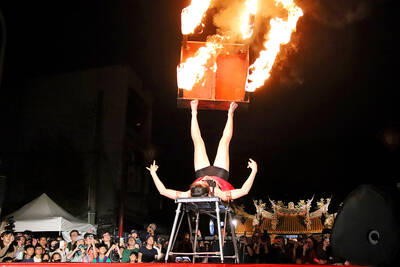
A: Over 130,000 college graduates are about to enter the workforce upon graduation. B: According to a survey, the top 10 most desired careers among Taiwanese are: independent content creator, civil servant, information engineer, financial professional, medical worker, content planner, flight attendant, news anchor, designer and fitness trainer. A: What are the “dream jobs” for young Gen Zers? B: The top three for men are YouTuber, pro gamer and engineer. For women, they are writer, social media editor and YouTuber. A: Every profession has its champion. Just look at Taiwanese fire dancer Yang Li-wei — who was on fire

★ Bilingual Story is a fictionalized account. 雙語故事部分內容純屬虛構。 The mango looked perfect. It sat on the fruit stand like a small sunset, red on one side and gold on the other. “I’ll take this one,” said Daniel. The fruit seller shook her head. “Not that one.” Daniel was surprised. “Why not? It looks beautiful.” “Yes,” she said, “but beautiful is not always ready.” She picked up another mango and held it near his nose. “First, smell here.” Daniel smelled the top of the mango. It was sweet and warm. “Good mangoes have a smell,” she said. “Next, feel the weight.”

A: While AI is reshaping the world, “Money Talks News” revealed seven career fields that are “AI-proof.” First is the healthcare field, like nursing jobs, personal care aides, and social work specialists. B: This type of job is indeed in high demand. So what’s next? A: Up next are skill-based positions, like electricians, mechanics, and construction workers. Then there’s the field of education, like teachers, tutors, and education specialists. Fourth is the mental health field, like jobs in counseling, therapy, and social work. B: I didn’t expect teaching to be safe from AI. What else is


 RSS
RSS