


It is hard to tell from his serious demeanor, but Akky International Corp CEO Hideyuki Abe can barely contain his excitement.
Foreign tourists are coming back, those money-laden visitors from abroad who used to flock to his colorful store in Tokyo’s Akihabara electronics district, cluttered with watches and souvenirs such as samurai swords and toy cats with bobbing heads.
Individual travelers are able to visit Japan without visas as of today, just like in pre-COVID-19 times, and electronics stores, airlines and various tourist spots have big hopes for a revival of their businesses.
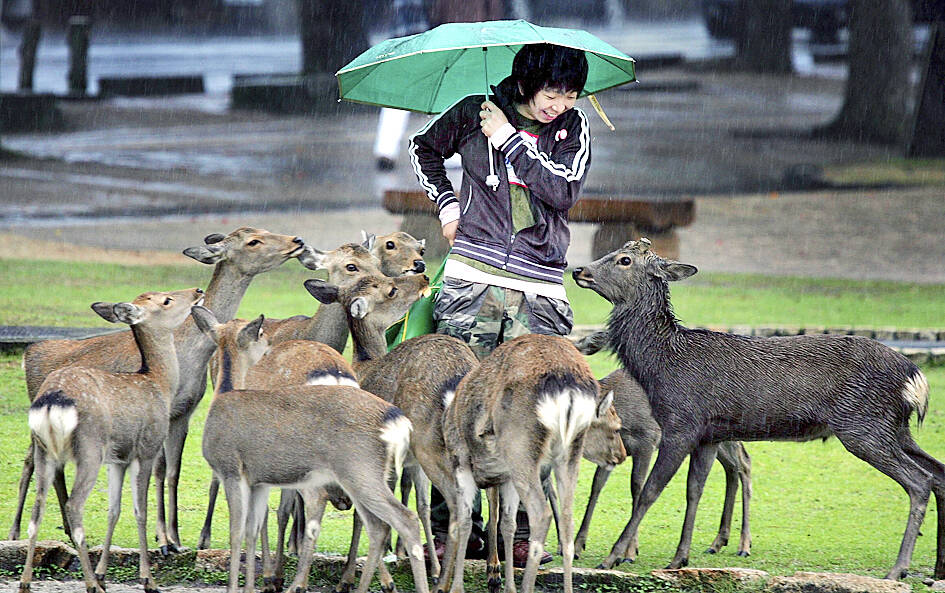
Photo: AP
Japan kept its borders closed to most foreign travelers during much of the pandemic. Only packaged tours have been allowed since June. Meanwhile, the yen has weakened sharply against the dollar, giving some visitors heftier buying power and making Japan nearly irresistible to bargain hunters.
Abe employs about 50 people and had resorted to layoffs after the pandemic struck in 2020. Some Akihabara shops have closed down since then, but he bided his time.
“Hanging on is where power lies,” Abe said. “Now, I am a bit worried about a shortage of workers.”
Retailers in Akihabara, and other businesses in Japan that relied heavily on visitors from around the world, have had a tough couple of years. Major retail chain Laox Co shuttered its Akihabara store, only keeping open its outlets at Narita International Airport and Kyoto.
The city of Nara, famous for its temples, shrines and sake breweries, is banking on the return of tourists from other parts of Japan, along with those from abroad. A pastoral getaway with deer roaming free in parks and among glorious autumn foliage, it is a destination recommended for people worried about risks of visiting crowded destinations, Katsunori Tsuji of Nara Prefecture’s tourism promotion division said.
“There are aspects of life that Japanese have preserved over the years in Nara that you can truly sense and enjoy, that spiritual element,” he said.
About 10 years ago, Chinese tourists, visiting in huge groups to snag European luxury brands and even high-tech toilet seats, bought so much that their purchases were known as baku-gai, combining the Japanese words for “explosive” and “purchase.”
Some 32 million foreign tourists visited Japan in 2019, before the pandemic. The travel and tourism sector then contributed more than 7 percent to Japan’s economy, according to the World Travel and Tourism Council.
Japan’s major carriers All Nippon Airways Co (ANA) and Japan Airlines Ltd are increasing flights for expected higher demand.
“The impact incoming visitors have on the Japanese economy is said to be some ¥5 trillion [US$34.41 billion], so we have great hopes about what we can expect,” ANA CEO Shinichi Inoue said.
Flights resuming in the months ahead include routes to and from places such as Honolulu, Frankfurt, New York, Seoul and Paris. They are meant to appeal not only to incoming tourists, but also to Japanese planning dream vacations over the Christmas and New Year’s holidays.
To cater to shoppers from places such as Vietnam, Europe and the Americas, the staff in Abe’s three stores speak more than a dozen languages among them.
He has endured various crises, including the nuclear disaster in Fukushima in March 2011, at a time when the yen was stronger against the US dollar, making Japan an ultra-expensive destination.
In 2011, the US dollar cost about ¥80. Last year, the US dollar cost about ¥111. Now, it is at a nearly three-decade high of about ¥145, and the pandemic restrictions are waning. The tourists are likely to come back.
“This time, it’s a perfect opportunity,” Abe said.

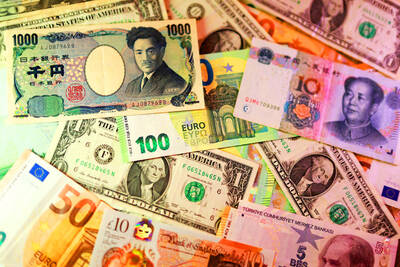
Taiwan’s foreign exchange reserves fell below the US$600 billion mark at the end of last month, with the central bank reporting a total of US$596.89 billion — a decline of US$8.6 billion from February — ending a three-month streak of increases. The central bank attributed the drop to a combination of factors such as outflows by foreign institutional investors, currency fluctuations and its own market interventions. “The large-scale outflows disrupted the balance of supply and demand in the foreign exchange market, prompting the central bank to intervene repeatedly by selling US dollars to stabilize the local currency,” Department of Foreign

Intel Corp is joining Elon Musk’s long-shot effort to develop semiconductors for Tesla Inc, Space Exploration Technologies Corp and xAI, marking a surprising twist in the chipmaker’s comeback bid. Intel would help the Terafab project “refactor” the technology in a chip factory, the company said on Tuesday in a post on X, Musk’s social media platform. That is a stage in the development process that typically helps make chips more powerful or reliable. The chipmaker’s shares jumped 4.2 percent to US$52.91 in New York trading on Tuesday. The Terafab project is a grand plan by Musk to eventually manufacture his own chips for
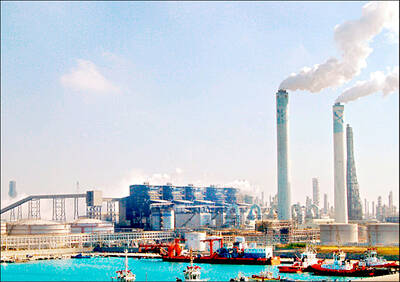
Taiwan Power Co (Taipower, 台電) yesterday said it plans to resume operations at two coal-fired power generators for three months to boost security of electricity supply as liquefied natural gas (LNG) supply risks are running high due to the Middle East conflict. The two coal-fired power generators are at Mailiao Power Plant in Yunlin County’s Mailiao Township (麥寮). The plant, operated by Formosa Plastics Group (台塑集團), supplied electricity to Taipower’s power grid until the end of last year. Taipower’s decision came about one month after Minister of Economic Affairs Kung Ming-hsin (龔明鑫) on March 10 said that the nation had no imminent

Some robotaxi passengers were left stranded in the middle of fast-moving traffic in a major Chinese city after their driverless vehicles stopped running, according to police and media reports on Wednesday. A preliminary investigation indicates more than 100 robotaxis came to a halt because of a “system malfunction,” police in the city of Wuhan said in a statement, without elaborating. No injuries were reported. One passenger told Chinese media that their robotaxi stopped after turning a corner. An instruction on a screen read: “Driving system malfunction. Staff are expected to arrive in 5 minutes.” After no one showed up, the passenger pushed


 RSS
RSS