


Carrefour SA is in advanced talks to sell a controlling stake in its Taiwanese operations to its local minority partner Uni-President Enterprises Corp (統一企業), people familiar with the matter said.
Uni-President has emerged as the likeliest buyer for 60 percent of the French grocer’s business, the people said, asking not to be identified because the matter is private.
The Taiwanese food conglomerate, which has the right of first refusal for Carrefour’s stake, and the European firm are discussing details of a potential transaction including financing and antitrust, the people said.
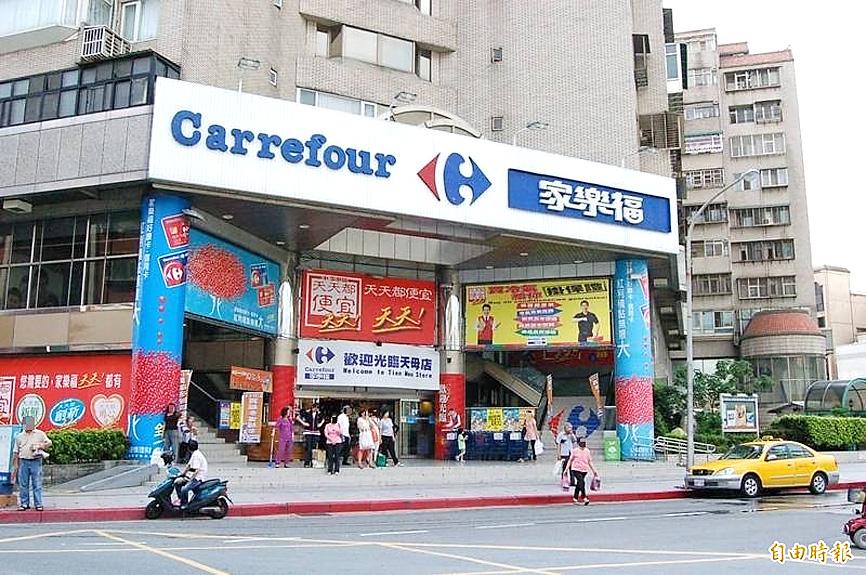
Photo: Taipei Times file photo
A deal could even be reached in the next few weeks, they said.
Talks are ongoing, no final decision has been made and other bidders remain interested in the assets, the people said.
Representatives for Carrefour and Uni-President declined to comment.
“We are handling this according to the script,” Uni-President chairman Alex Lo (羅智先) said when asked about a potential deal for the stake during an investors’ briefing on March 11.
“When timing is right, everyone will know,” Lo added.
Carrefour has been exploring a sale of its Taiwan unit in a potential deal that has drawn interest from firms including Carlyle Group Inc, CVC Capital Partners and Taiwanese conglomerate Far Eastern Group (遠東集團), Bloomberg News reported in October last year.
The unit could fetch an enterprise value of at least US$1.9 billion, people familiar with the matter said at the time.
Carrefour set up its first outlet in Taiwan in 1989, two years after establishing a joint venture with Uni-President, its Web site says.
The company has since expanded to more than 320 outlets.
Uni-President and its affiliates own about a 40 percent stake in Carrefour’s Taiwan unit.
From its origins as a flour mill in Tainan, Uni-President has expanded to become one of the largest food conglomerates in Asia, with businesses spanning from dairy and beverages to instant food, baking and logistics, its Web site says.
It also operates 7-Eleven convenience stores in Taiwan, Shanghai and the Philippines.
Carrefour, which has been the subject of takeover activity in the past few years, has been reviewing its global assets. In 2019, it agreed to sell an 80 percent stake in its China unit for US$698 million in cash to local retailer Suning.com Co (蘇寧).
Shares of contract chipmaker Taiwan Semiconductor Manufacturing Co (TSMC, 台積電) came under pressure yesterday after a report that Apple Inc is looking to shift some orders from the Taiwanese company to Intel Corp. TSMC shares fell NT$55, or 2.4 percent, to close at NT$2,235 on the local main board, Taiwan Stock Exchange data showed. Despite the losses, TSMC is expected to continue to benefit from sound fundamentals, as it maintains a lead over its peers in high-end process development, analysts said. “The selling was a knee-jerk reaction to an Intel-Apple report over the weekend,” Mega International Investment Services Corp (兆豐國際投顧) analyst Alex Huang
Taiwan Semiconductor Manufacturing Co (TSMC, 台積電) is expected to remain Apple Inc’s primary chip manufacturing partner despite reports that Apple could shift some orders to Intel Corp, industry experts said yesterday. The comments came after The Wall Street Journal reported on Friday that Apple and Intel had reached a preliminary agreement following more than a year of negotiations for Intel to manufacture some chips for Apple devices. Taiwan Institute of Economic Research (台灣經濟研究院) economist Arisa Liu (劉佩真) said TSMC’s advanced packaging technologies, including integrated fan-out and chip-on-wafer-on-substrate, remain critical to the performance of Apple’s A-series and M-series chips. She said Intel and Samsung
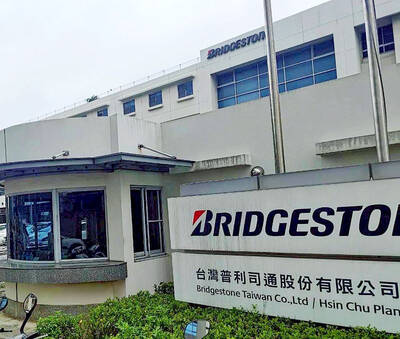
TRANSITION: With the closure, the company would reorganize its Taiwanese unit to a sales and service-focused model, Bridgestone said Bridgestone Corp yesterday announced it would cease manufacturing operations at its tire plant in Hsinchu County’s Hukou Township (湖口), affecting more than 500 workers. Bridgestone Taiwan Co (台灣普利司通) said in a statement that the decision was based on the Tokyo-based tire maker’s adjustments to its global operational strategy and long-term market development considerations. The Taiwanese unit would be reorganized as part of the closure, effective yesterday, and all related production activities would be concluded, the statement said. Under the plan, Bridgestone would continue to deepen its presence in the Taiwanese market, while transitioning to a sales and service-focused business model, it added. The Hsinchu
Taiwan Semiconductor Manufacturing Co (TSMC, 台積電) has approved a capital budget of US$31.28 billion for production expansion to meet long-term development needs during the artificial intelligence (AI) boom. The company’s board meeting yesterday approved the capital appropriation plan for purposes such as the installation of advanced technology capacity and fab construction, the world’s largest contract chipmaker said in a statement. At an earnings conference last month, TSMC forecast that its capital expenditure for this year would be at the higher end of the US$52 billion to US$56 billion range it forecast in January in response to robust demand for 5G, AI and


 RSS
RSS