


The Taipei International Machine Tool Show and the Taiwan International Machine Tool Show, which are being held together for the first time, open today virtually and in-person at the Taipei Nangang Exhibition Center’s Halls 1 and 2.
More than 1,000 overseas buyers from 62 countries have registered to participate in the trade show, which is expected to be the largest since the emergence of COVID-19, the organizers said in a statement on Saturday.
“A total of 950 exhibitors in 5,100 booths will have a presence at Taiwan’s first cobranded machine tool mega show,” the statement said.
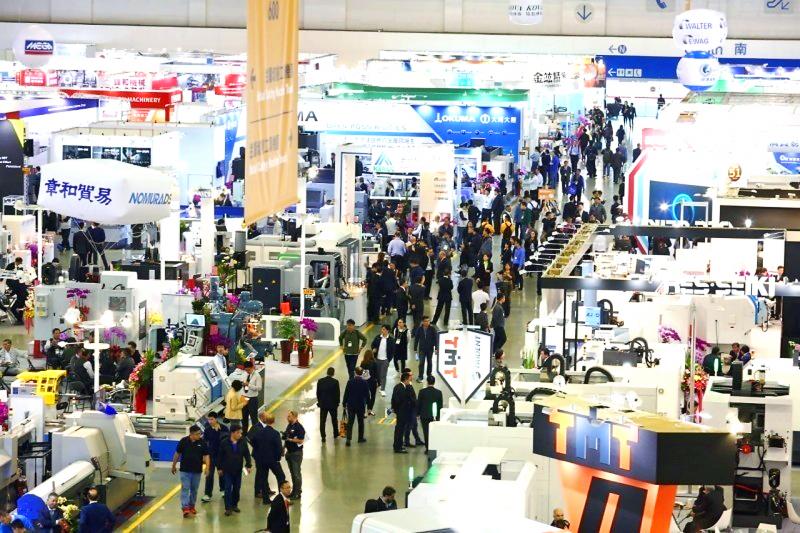
Photo: Lin Jing-hua, Taipei Times
The in-person trade show is open from today until Saturday, while the virtual show is to continue until March 21.
The exhibitors are from 16 countries, with the top three countries in the industry — Switzerland, Germany and the US — having their own national pavilions at the show, said the Taiwan External Trade Development Council (TAITRA), one of the organizers.
Leading brands exhibiting at the show include Fair Friend Enterprise Group (友嘉集團), Precision Motion Industries Inc (銀泰科技), Ying Lin Machine Industrial Co (穎霖機械), Hiwin Technologies Co (上銀科技), Shinbu Corp (新武), Kao Fong Machinery Co (高鋒工業), Ching Hung Machinery & Electric Industrial Co (慶鴻機電), Fanuc Corp, Yamazaki Mazak Corp, Tongtai Machine and Tool Co (東台精機), You Ji Machine Industrial Co (油機工業), Taiwan Takisawa Technology Co (台灣瀧澤), Yeong Chin Machinery Industries Co (永進機械), Mitsubishi Corp, Trumpf Group, Victor Taichung Machinery Works Co (台中精機), Delta Electronics Inc (台達電) and Siemens AG.
They “are all gearing up to showcase their latest innovations and smart manufacturing solutions,” TAITRA said.
Among the high-profile buyers expected to attend are China FAW Group Co (中國一汽集團), Siemens Turkey, Mighty USA, Timken Co, Ohashi Technica Corp of Japan, Finval Group of Russia, Machine Tools India and NIS of Bulgaria.
The trade show offers a comprehensive look at the supply chain of the metal processing industry, and features a smart manufacturing and Industry 4.0 platform, the organizers said.
Exhibitors are showing metal cutting tools; mechanical parts and components; machine tools for stamping, casting and forging; welding equipment; robots and automation systems; and testing and measurement devices, they said.
The machinery sector, which includes machine tools, is an important export category for Taiwan, with outbound sales last year up 27 percent from a year earlier to US$27.84 billion, representing slightly more than 6 percent of Taiwan’s total exports.
Shares of contract chipmaker Taiwan Semiconductor Manufacturing Co (TSMC, 台積電) came under pressure yesterday after a report that Apple Inc is looking to shift some orders from the Taiwanese company to Intel Corp. TSMC shares fell NT$55, or 2.4 percent, to close at NT$2,235 on the local main board, Taiwan Stock Exchange data showed. Despite the losses, TSMC is expected to continue to benefit from sound fundamentals, as it maintains a lead over its peers in high-end process development, analysts said. “The selling was a knee-jerk reaction to an Intel-Apple report over the weekend,” Mega International Investment Services Corp (兆豐國際投顧) analyst Alex Huang
Taiwan Semiconductor Manufacturing Co (TSMC, 台積電) is expected to remain Apple Inc’s primary chip manufacturing partner despite reports that Apple could shift some orders to Intel Corp, industry experts said yesterday. The comments came after The Wall Street Journal reported on Friday that Apple and Intel had reached a preliminary agreement following more than a year of negotiations for Intel to manufacture some chips for Apple devices. Taiwan Institute of Economic Research (台灣經濟研究院) economist Arisa Liu (劉佩真) said TSMC’s advanced packaging technologies, including integrated fan-out and chip-on-wafer-on-substrate, remain critical to the performance of Apple’s A-series and M-series chips. She said Intel and Samsung
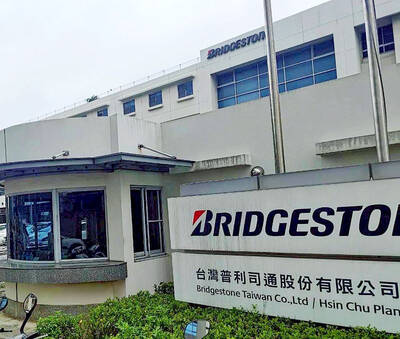
TRANSITION: With the closure, the company would reorganize its Taiwanese unit to a sales and service-focused model, Bridgestone said Bridgestone Corp yesterday announced it would cease manufacturing operations at its tire plant in Hsinchu County’s Hukou Township (湖口), affecting more than 500 workers. Bridgestone Taiwan Co (台灣普利司通) said in a statement that the decision was based on the Tokyo-based tire maker’s adjustments to its global operational strategy and long-term market development considerations. The Taiwanese unit would be reorganized as part of the closure, effective yesterday, and all related production activities would be concluded, the statement said. Under the plan, Bridgestone would continue to deepen its presence in the Taiwanese market, while transitioning to a sales and service-focused business model, it added. The Hsinchu
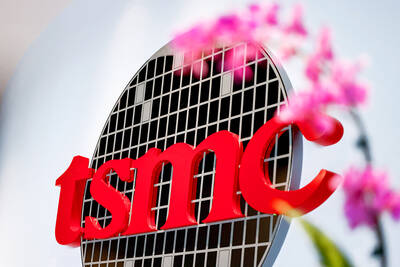
Taiwan Semiconductor Manufacturing Co (TSMC, 台積電) has approved a capital budget of US$31.28 billion for production expansion to meet long-term development needs during the artificial intelligence (AI) boom. The company’s board meeting yesterday approved the capital appropriation plan for purposes such as the installation of advanced technology capacity and fab construction, the world’s largest contract chipmaker said in a statement. At an earnings conference last month, TSMC forecast that its capital expenditure for this year would be at the higher end of the US$52 billion to US$56 billion range it forecast in January in response to robust demand for 5G, AI and


 RSS
RSS