


Tony Hsieh (謝家華), the retired chief executive of Zappos.com who revolutionized the online shoe industry and gained notoriety for his company’s unique corporate culture, has died. He was 46.
Puoy Premsrirut, a lawyer for the Taiwanese-American Hsieh, told news outlets that Hsieh had been injured in a house fire while visiting Connecticut.
He was with family there when he died on Friday night, KLAS-TV reported.
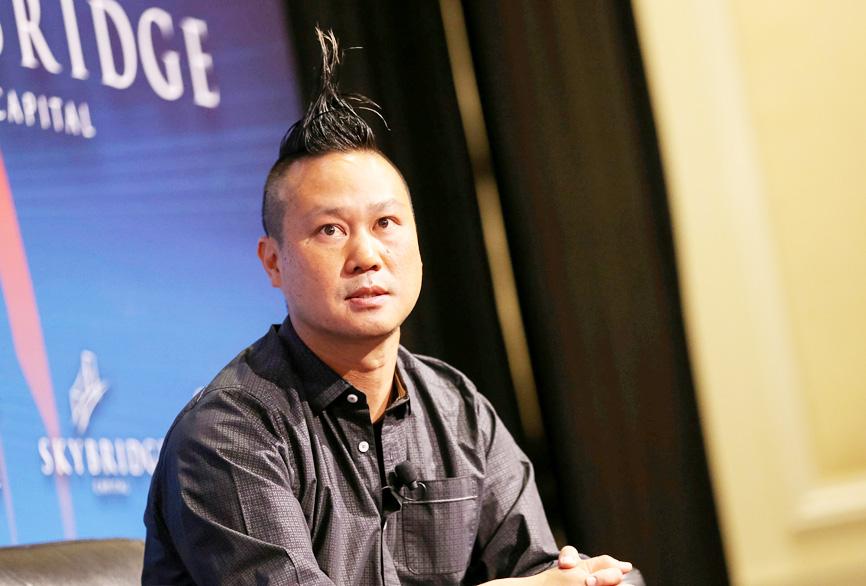
Photo: Reuters
A Nov. 18 house fire in which Hsieh is believed to have been injured remains under investigation, according to the Hartford Courant, which cited the New London fire chief and reported the home that burned is owned by a long-time Zappos employee.
A Harvard graduate, Hsieh gained success in the dot com era. He joined Zappos in 1999 when it was called ShoeSite.com and led it for two decades.
Amazon.com Inc purchased the company for US$1.2 billion in 2009 and Hsieh remained as chief executive until stepping down in August.
Amazon’s purchase of the firm signaled CEO Jeff Bezos was both impressed and threatened by Zappos’ fast delivery of online orders and customer service reputation.
Hsieh’s success selling shoes online stood out because it was a product people traditionally like to feel on their feet before buying.
“The world lost you way too soon,” Bezos wrote on Saturday on Instagram. “Your curiosity, vision, and relentless focus on customers leave an indelible mark.”
Hsieh was a fixture in the tech speaker circuit and espoused his company’s commitment to “holocracy,” a decentralized management style where decisionmaking was spread throughout the organization without traditional hierarchy.
He stood out as a non-traditionalist even in an industry known for breaking tradition.
He lived in a trailer park in downtown Las Vegas that attracted creative people working on the strip. They would eat communal meals by a big fire pit and a pet alpaca roamed the park.
Hsieh would make random appearances in the park to play a card game with visitors that forced them to pick priorities in their lives.
Tributes swirled on social media from the tech industry, Las Vegas — where the company was headquartered — and from US President Donald Trump’s daughter Ivanka.
Nevada Governor Steve Sisolak thanked him for helping transform the city, while Ivanka Trump said Hsieh’s originality challenged her to “reject conformity.”
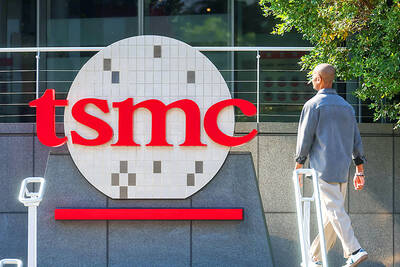
Shares of contract chipmaker Taiwan Semiconductor Manufacturing Co (TSMC, 台積電) came under pressure yesterday after a report that Apple Inc is looking to shift some orders from the Taiwanese company to Intel Corp. TSMC shares fell NT$55, or 2.4 percent, to close at NT$2,235 on the local main board, Taiwan Stock Exchange data showed. Despite the losses, TSMC is expected to continue to benefit from sound fundamentals, as it maintains a lead over its peers in high-end process development, analysts said. “The selling was a knee-jerk reaction to an Intel-Apple report over the weekend,” Mega International Investment Services Corp (兆豐國際投顧) analyst Alex Huang
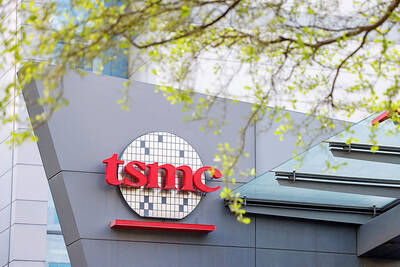
Taiwan Semiconductor Manufacturing Co (TSMC, 台積電) is expected to remain Apple Inc’s primary chip manufacturing partner despite reports that Apple could shift some orders to Intel Corp, industry experts said yesterday. The comments came after The Wall Street Journal reported on Friday that Apple and Intel had reached a preliminary agreement following more than a year of negotiations for Intel to manufacture some chips for Apple devices. Taiwan Institute of Economic Research (台灣經濟研究院) economist Arisa Liu (劉佩真) said TSMC’s advanced packaging technologies, including integrated fan-out and chip-on-wafer-on-substrate, remain critical to the performance of Apple’s A-series and M-series chips. She said Intel and Samsung
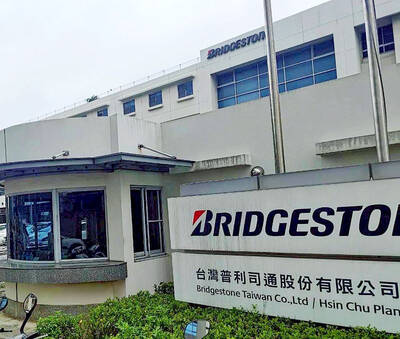
TRANSITION: With the closure, the company would reorganize its Taiwanese unit to a sales and service-focused model, Bridgestone said Bridgestone Corp yesterday announced it would cease manufacturing operations at its tire plant in Hsinchu County’s Hukou Township (湖口), affecting more than 500 workers. Bridgestone Taiwan Co (台灣普利司通) said in a statement that the decision was based on the Tokyo-based tire maker’s adjustments to its global operational strategy and long-term market development considerations. The Taiwanese unit would be reorganized as part of the closure, effective yesterday, and all related production activities would be concluded, the statement said. Under the plan, Bridgestone would continue to deepen its presence in the Taiwanese market, while transitioning to a sales and service-focused business model, it added. The Hsinchu
Taiwan Semiconductor Manufacturing Co (TSMC, 台積電) has approved a capital budget of US$31.28 billion for production expansion to meet long-term development needs during the artificial intelligence (AI) boom. The company’s board meeting yesterday approved the capital appropriation plan for purposes such as the installation of advanced technology capacity and fab construction, the world’s largest contract chipmaker said in a statement. At an earnings conference last month, TSMC forecast that its capital expenditure for this year would be at the higher end of the US$52 billion to US$56 billion range it forecast in January in response to robust demand for 5G, AI and


 RSS
RSS