


Sears Holdings Corp, the venerable US chain that once dominated the retail sector, but had been in decline since the advent of the Amazon.com Inc era, yesterday filed for bankruptcy and announced it was closing almost 150 stores.
With a history that stretches back to 1886, the company was a pioneer of departmental stores that catered to everyone and by the mid-20th century had built a vast empire that stretched across North America.
However, it has closed hundreds of outlets in the past few years amid a retail shakeout caused in part by the rise of Amazon and other e-commerce players.
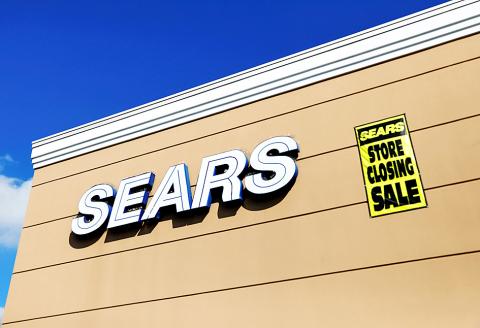
Photo: Reuters
“The company and certain of its subsidiaries have filed voluntary petitions for relief under Chapter 11 of the Bankruptcy Code in the US Bankruptcy Court for the Southern District of New York,” Sears said in a statement.
Sears had been drowning in debt and reportedly could not afford a US$134 million repayment that had been due yesterday.
Sears chairman Edward Lampert said the insolvency filing would give the company the “flexibility to strengthen its balance sheet” and enable it to accelerate a strategic transformation.
The company said it intended to reorganize around a smaller store platform, a strategy it said would help save tens of thousands of jobs.
However, it announced it would close 142 unprofitable stores near the end of the year, in addition to the previously announced closure of 46 stores by next month.
While retaining his chairmanship, Lampert is to step down as chief executive officer, with the role to be handled by other senior executives as part of a new “Office of the CEO.”
Sears added it had received commitments for US$300 million in debtor-in-possession financing and was negotiating for an additional US$300 million.
Sears is far from the only brick-and-mortar outlet to fall by the wayside as more consumers do the bulk of their shopping online.
In March, iconic Toys “R” Us Inc announced it was shuttering all of its US outlets, while other big names, such as Macy’s Inc and JC Penney Co, have also been forced to close numerous locations and lay off workers.
US shopping malls in turn have been forced to turn to a new generation of stores, food and entertainment, including players that began online, as well as gyms and video game bars like Dave & Buster’s Inc.

DIVIDED VIEWS: Although the Fed agreed on holding rates steady, some officials see no rate cuts for this year, while 10 policymakers foresee two or more cuts There are a lot of unknowns about the outlook for the economy and interest rates, but US Federal Reserve Chair Jerome Powell signaled at least one thing seems certain: Higher prices are coming. Fed policymakers voted unanimously to hold interest rates steady at a range of 4.25 percent to 4.50 percent for a fourth straight meeting on Wednesday, as they await clarity on whether tariffs would leave a one-time or more lasting mark on inflation. Powell said it is still unclear how much of the bill would fall on the shoulders of consumers, but he expects to learn more about tariffs

NOT JUSTIFIED: The bank’s governor said there would only be a rate cut if inflation falls below 1.5% and economic conditions deteriorate, which have not been detected The central bank yesterday kept its key interest rates unchanged for a fifth consecutive quarter, aligning with market expectations, while slightly lowering its inflation outlook amid signs of cooling price pressures. The move came after the US Federal Reserve held rates steady overnight, despite pressure from US President Donald Trump to cut borrowing costs. Central bank board members unanimously voted to maintain the discount rate at 2 percent, the secured loan rate at 2.375 percent and the overnight lending rate at 4.25 percent. “We consider the policy decision appropriate, although it suggests tightening leaning after factoring in slackening inflation and stable GDP growth,”

Meta Platforms Inc offered US$100 million bonuses to OpenAI employees in an unsuccessful bid to poach the ChatGPT maker’s talent and strengthen its own generative artificial intelligence (AI) teams, OpenAI CEO Sam Altman has said. Facebook’s parent company — a competitor of OpenAI — also offered “giant” annual salaries exceeding US$100 million to OpenAI staffers, Altman said in an interview on the Uncapped with Jack Altman podcast released on Tuesday. “It is crazy,” Sam Altman told his brother Jack in the interview. “I’m really happy that at least so far none of our best people have decided to take them
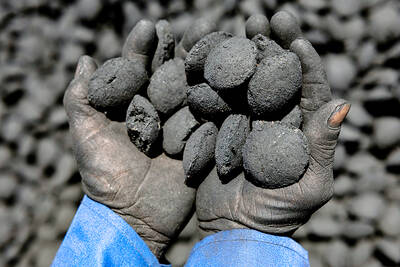
As they zigzagged from one machine to another in the searing African sun, the workers were covered in black soot. However, the charcoal they were making is known as “green,” and backers hope it can save impoverished Chad from rampant deforestation. Chad, a vast, landlocked country of 19 million people perched at the crossroads of north and central Africa, is steadily turning to desert. It has lost more than 90 percent of its forest cover since the 1970s, hit by climate change and overexploitation of trees for household uses such as cooking, officials say. “Green charcoal” aims to protect what


 RSS
RSS