


OwlTing (奧丁丁) has created the world’s first decentralized room booking service, and it is in talks with hotels and bed-and-breakfast operators in Taiwan to join the program, the Taipei-based blockchain technology developer said yesterday.
Dubbed OwlNest, the “software as a service” product is built on the automated smart contract capabilities of the Ethereum blockchain and could provide a lower cost alternative to the room inventory and booking systems now used by hotels, as well as helping them save on the personnel and maintenance costs involved in running their own Web sites, company officials told a news conference in Taipei.
Many hotels’ booking and inventory management systems are no longer compatible with the platforms employed by popular Web sites, which means that the hotels have to cover the costs of making manual entries on room availability and prices on those sites, OwlTing chief executive Darren Wang (王俊凱) said.
OwlNest is compatible with a wide variety of booking platforms and it automates much of the room listing process, Wang said.
It uses smart contracts to create customized packages, including discounts for customers who want to use their loyalty program reward points or make early-bird reservations, It accepts a variety of mobile and cashless payment methods.
The service also lists activities such as guided city tours and hiking trips, which he hopes would provide travelers with memorable experiences, Wang said.
He said OwnTing expects to have more than 30,000 lodging establishments listed before the end of next year, and is also in talks with operators in Japan, Malaysia and the US.
OwnTing also developed a blockchain-based tracing system, dubbed OwlChain, which provides customers with detailed information on the products they eat, including ingredient sources, manufacturing processes and transportation flow.
The company also operates OwlTing Market, an e-commerce platform selling fresh produce and food products.
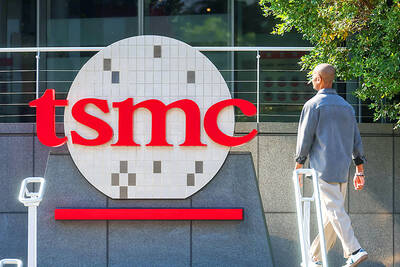
Shares of contract chipmaker Taiwan Semiconductor Manufacturing Co (TSMC, 台積電) came under pressure yesterday after a report that Apple Inc is looking to shift some orders from the Taiwanese company to Intel Corp. TSMC shares fell NT$55, or 2.4 percent, to close at NT$2,235 on the local main board, Taiwan Stock Exchange data showed. Despite the losses, TSMC is expected to continue to benefit from sound fundamentals, as it maintains a lead over its peers in high-end process development, analysts said. “The selling was a knee-jerk reaction to an Intel-Apple report over the weekend,” Mega International Investment Services Corp (兆豐國際投顧) analyst Alex Huang
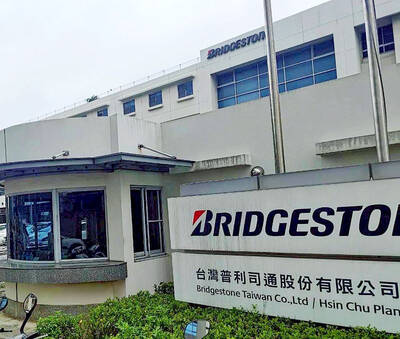
TRANSITION: With the closure, the company would reorganize its Taiwanese unit to a sales and service-focused model, Bridgestone said Bridgestone Corp yesterday announced it would cease manufacturing operations at its tire plant in Hsinchu County’s Hukou Township (湖口), affecting more than 500 workers. Bridgestone Taiwan Co (台灣普利司通) said in a statement that the decision was based on the Tokyo-based tire maker’s adjustments to its global operational strategy and long-term market development considerations. The Taiwanese unit would be reorganized as part of the closure, effective yesterday, and all related production activities would be concluded, the statement said. Under the plan, Bridgestone would continue to deepen its presence in the Taiwanese market, while transitioning to a sales and service-focused business model, it added. The Hsinchu

Taiwan Semiconductor Manufacturing Co (TSMC, 台積電) has approved a capital budget of US$31.28 billion for production expansion to meet long-term development needs during the artificial intelligence (AI) boom. The company’s board meeting yesterday approved the capital appropriation plan for purposes such as the installation of advanced technology capacity and fab construction, the world’s largest contract chipmaker said in a statement. At an earnings conference last month, TSMC forecast that its capital expenditure for this year would be at the higher end of the US$52 billion to US$56 billion range it forecast in January in response to robust demand for 5G, AI and
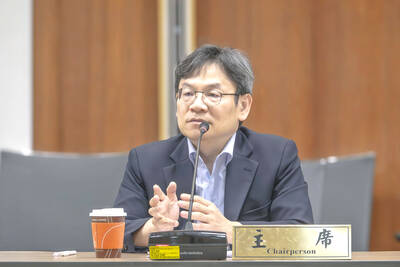
Taiwan Semiconductor Manufacturing Co’s (TSMC, 台積電) investment project in Arizona has progressed better than expected, but it still faces challenges such as water and labor shortages, National Development Council (NDC) Minister Yeh Chun-hsien (葉俊顯) said yesterday. Speaking with reporters after visiting TSMC’s Arizona hub and attending the SelectUSA Investment Summit in Maryland last week, Yeh said TSMC’s Arizona site turned a profit of NT$16.14 billion (US$514 million) last year in its first full year of mass production. “TSMC told me it was surprised by the smooth trial run of the first fab, which has left the company optimistic about the project’s outlook,”


 RSS
RSS