


Comcast Corp, the largest US cable company, will buy out General Electric Co’s (GE) ownership of NBC Universal for US$16.7 billion, following through on the cable company’s purchase of a controlling stake two years ago.
The deal also involves buying the properties used by NBC Universal at Manhattan’s 30 Rockefeller Center and CNBC’s headquarters in New Jersey for US$1.4 billion, Comcast said on Tuesday in a statement. The enterprise value of NBC Universal is now US$39.1 billion, up from US$37.5 billion when Philadelphia-based Comcast bought the stake in 2011.
Comcast bought 51 percent of NBC on Jan. 29 of that year for US$13.8 billion in cash and assets. Since then, the company has benefited from improving ratings at the NBC broadcast network and better-than-expected ad revenue from the Olympics.
For GE, the deal turns an asset that did not fit with its business into a source of cash.
“This is an attractive price for us and it gives GE a lot of cash,” Comcast CEO Brian Roberts said in an interview. “We like the NBC Universal business.”
The sale will result in a pretax gain of about US$1 billion for GE, the Fairfield, Connecticut-based company said in a separate statement. Those gains will be offset by increased restructuring costs this year, GE said.
The company will use proceeds to increase repurchases of its shares by US$10 billion a year, GE said. Its board boosted its buyback authorization to US$35 billion, of which US$23 billion remains available.
“This transaction allows us to significantly increase the cash we plan to return to shareholders in 2013, to approximately US$18 billion, and to continue to invest in our industrial business,” GE CEO Jeff Immelt said. “By adding significant new capital to our balanced capital allocation plan, we can accelerate our share buyback plans while investing in growth in our core businesses.”
Comcast also released its fourth-quarter results on Tuesday. Net income rose 18 percent to US$1.52 billion, or US$0.56 a share, from US$1.29 billion, or US$0.47, a year earlier. Sales climbed almost 6 percent to US$15.9 billion.
Comcast lost 7,000 video subscribers in the period, part of an industrywide trend of shrinking cable-TV viewers. Still, the company would have posted a gain for the first time since 2007 if Hurricane Sandy had not occurred, Roberts said.
Comcast added 341,000 high-speed Internet customers and 168,000 voice customers. Both figures topped analyst estimates.
Comcast also raised its dividend 20 percent to US$0.78 a share annually, and the cable operator announced it plans to repurchase US$2 billion of its stock this year.
Morgan Stanley and Davis Polk & Wardwell advised Comcast on the GE deal. JPMorgan Chase & Co provided financial advice to GE, while Weil, Gotshal & Manges served as the company’s legal adviser. Goldman Sachs Group Inc, Centerview Partners and CBRE also provided strategic advice related to the transaction.
Comcast chief financial officer Michael Angelakis said in September last year that the company was considering purchasing the remainder of NBC. The network has relied on hit shows such as Sunday Night Football, The Voice and Revolution to boost ratings over the past year, following years of last-place showings.
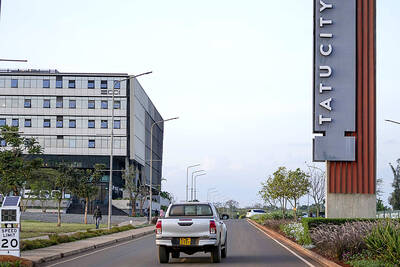
To many, Tatu City on the outskirts of Nairobi looks like a success. The first city entirely built by a private company to be operational in east Africa, with about 25,000 people living and working there, it accounts for about two-thirds of all foreign investment in Kenya. Its low-tax status has attracted more than 100 businesses including Heineken, coffee brand Dormans, and the biggest call-center and cold-chain transport firms in the region. However, to some local politicians, Tatu City has looked more like a target for extortion. A parade of governors have demanded land worth millions of dollars in exchange
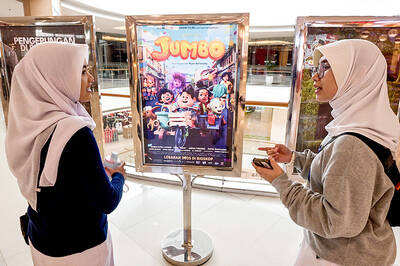
An Indonesian animated movie is smashing regional box office records and could be set for wider success as it prepares to open beyond the Southeast Asian archipelago’s silver screens. Jumbo — a film based on the adventures of main character, Don, a large orphaned Indonesian boy facing bullying at school — last month became the highest-grossing Southeast Asian animated film, raking in more than US$8 million. Released at the end of March to coincide with the Eid holidays after the Islamic fasting month of Ramadan, the movie has hit 8 million ticket sales, the third-highest in Indonesian cinema history, Film
BIG BUCKS: Chairman Wei is expected to receive NT$34.12 million on a proposed NT$5 cash dividend plan, while the National Development Fund would get NT$8.27 billion Taiwan Semiconductor Manufacturing Co (TSMC, 台積電), the world’s largest contract chipmaker, yesterday announced that its board of directors approved US$15.25 billion in capital appropriations for long-term expansion to meet growing demand. The funds are to be used for installing advanced technology and packaging capacity, expanding mature and specialty technology, and constructing fabs with facility systems, TSMC said in a statement. The board also approved a proposal to distribute a NT$5 cash dividend per share, based on first-quarter earnings per share of NT$13.94, it said. That surpasses the NT$4.50 dividend for the fourth quarter of last year. TSMC has said that while it is eager

‘IMMENSE SWAY’: The top 50 companies, based on market cap, shape everything from technology to consumer trends, advisory firm Visual Capitalist said Taiwan Semiconductor Manufacturing Co (TSMC, 台積電) was ranked the 10th-most valuable company globally this year, market information advisory firm Visual Capitalist said. TSMC sat on a market cap of about US$915 billion as of Monday last week, making it the 10th-most valuable company in the world and No. 1 in Asia, the publisher said in its “50 Most Valuable Companies in the World” list. Visual Capitalist described TSMC as the world’s largest dedicated semiconductor foundry operator that rolls out chips for major tech names such as US consumer electronics brand Apple Inc, and artificial intelligence (AI) chip designers Nvidia Corp and Advanced


 RSS
RSS