


The Bureau of Health Promotion’s quit smoking competition attracted more than 31,000 pairs this year and ended yesterday with a NT$300,000 cash prize being given to the winner.
The competition began on March 25 and required each team, which consisted of a non-smoker witness and a smoker contestant, to quit smoking for four weeks.
The first and second prize winners were randomly selected from the participants late last month. Visits and urine tests were conducted under the scrutiny of lawyers, to make sure the contestants had quit smoking.
The first prize this year was given to a 51-year-old man surnamed Lee (李), who lives in New Taipei City (新北市).
Lee said he had smoked for 34 years and used to smoke about a pack of cigarettes a day. He said that although he had tried to quit before, his job as a security guard working midnight shifts had made him unable to conquer his addiction.
“I promised my daughter that I would quit smoking, but the first week of quitting was really painful,” Lee said. “Fortunately, there was a change in my work routine at the time, which allowed my daily schedule to become more normal. I also drank a lot of water and ate more fruit and vegetables to help me get through the uncomfortable feeling during the first phase of quitting.”
According to a survey conducted by the bureau last year, the smoking rate among men was 33.5 percent, and more than 40 percent among young men aged between 26 and 45. The bureau added that the smoking rate among young people with education below junior-high school level was also very high: 73.5 percent in men and 24.7 percent in women.
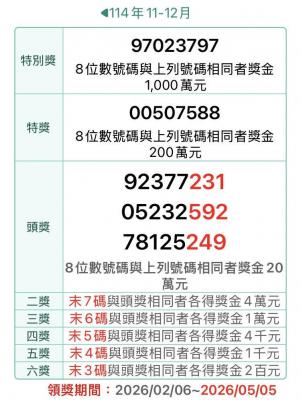
Seven of the 17 NT$10 million (US$311,604) winning receipts from the November-December uniform invoice lottery remain unclaimed as of today, the Ministry of Finance said, urging winners to redeem their prizes by May 5. The reminder comes ahead of the release of the winning numbers for the January-February lottery tomorrow. Among the unclaimed receipts was one for a NT$173 phone bill in Keelung, while others were for a NT$5,913 purchase at Costco in Taipei's Neihu District (內湖), a NT$49 purchase at a FamilyMart in New Taipei City's Tamsui District (淡水), and a NT$500 purchase at a tea shop in New Taipei City's
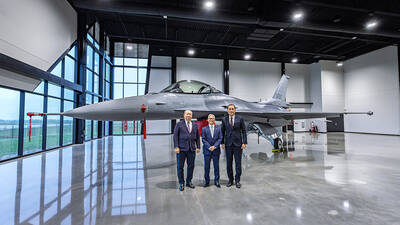
Taiwanese officials were shown the first of 66 F-16V fighter jets purchased by Taiwan from the United States, the Ministry of National Defense said yesterday, adding the aircraft has completed an initial flight test and is expected to be delivered later this year. A delegation led by Deputy Minister of National Defense Hsu Szu-chien (徐斯儉) visited Lockheed Martin’s F-16 C/D Block 70 (also known as F-16V) assembly line in South Carolina on March 16 to view the aircraft. The jet will undergo a final acceptance flight in the US before being delivered to Taiwan, the
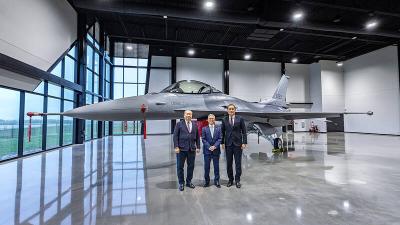
Deliveries of delayed F-16V jets are expected to begin in September, Minister of National Defense Wellington Koo (顧立雄) said today, after senior defense officials visited the US last week. The US in 2019 approved a US$8 billion sale of Lockheed Martin F-16 jets to Taiwan, a deal that would take the nation’s F-16 fleet to more than 200 jets, but the project has been hit by issues including software problems. Koo appeared today before a meeting of the legislature’s Foreign Affairs and National Defense Committee, which is discussing different versions of the special defense budget this week. The committee is questioning officials today,
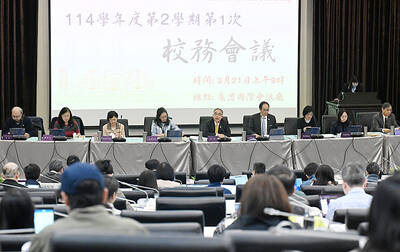
TALENT SCOUTING: The university is investing substantial funds in its future to bring in the kind of researchers that would keep the college internationally competitive National Taiwan University (NTU) plans to invest NT$2 billion (US$62.6 million) to launch two programs aimed at attracting and retaining top research talent, university president Chen Wen-chang (陳文章) said yesterday. The funding would support the “Palm Grove Scholars Project,” which targets academics aged 40 to 55. Up to 20 scholars would be selected, each receiving as much as NT$10 million annually, Chen said. The initiative is designed to attract leading researchers to Taiwan and strengthen NTU’s global competitiveness by fostering a more research-friendly environment and expanding international collaboration, he said. NTU is also introducing a “Hong Hu” chair grant, which would provide Palm


 RSS
RSS