


Tests have revealed signs of a possible leakage of radioactive materials from an interim nuclear waste repository on Orchid Island (蘭嶼), legislators and environmentalists told a press conference yesterday.
The Chinese-language Liberty Times (the Taipei Times’ sister newspaper) has reported that Taiwan Power Co (Taipower) had commissioned Huh Chih-an (扈治安), a research fellow at the Institute of Earth Sciences at Academia Sinica, to conduct an ecological survey near the repository.
Huh’s study showed there was a leakage of cobalt-60 and cesium-137 at the site, the newspaper said.
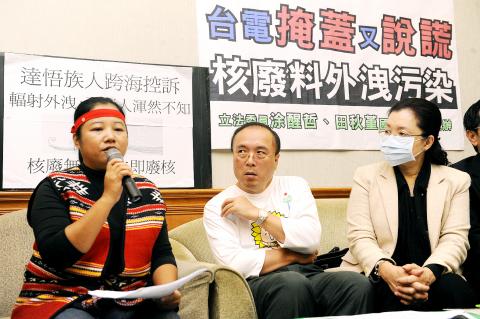
Photo: George Tsorng, Taipei Times
State-owned Taipower, which operates the nation’s nuclear power plants, said the radiation levels near the repository did not exceed legal standards and that the small amount measured could be radioactive dust resulting from the inspection and repackaging of the radioactive waste that began four years ago and has since been completed.
Democratic Progressive Party Legislator Twu Shiing-jer (涂醒哲) said Taipower was hiding the truth from the public and did not provide the report when he asked for it.
Peter Chang (張武修), a professor at the School of Public Health in Taipei, said leakage may have been happening for many years. Chang said he had conducted tests in 1999 and 2000 on samples taken from along the shore and crop fields on Orchid Island and found cesium-137 in sweet potato fields and taro paddy fields.
He asked why radioactive monitoring reports by the Atomic Energy Council showed increasing amounts of cesium-137 in the past three years, from an average of below 10 Becquerel per kilogram (Bq/kg) in the past to above 30Bq/kg now.
The amount of cesium-137 recorded in Huh’s report was 32.9Bq/kg
The director of Taipower’s nuclear waste management department, Lee Chin-shan (李清山), said there were no radioactive leakage problems at the repository and that the small amount found in the study could indicate a small amount of radioactive dust from inspections and repackaging operations, but the amount is much lower than the safety standards.
He also said cesium-137 tends to accumulate underground, adding that the safety limit for cesium-137 in bottom mud is 740Bq/kg.
However, Chang said Huh’s test samples were taken from surface mud on the shore near the repository.
Sinam Mafefu, a Tao Aborigine from Orchid Island, said Aborigines there had been misled for decades into believing that if they did not accept the storage of nuclear waste on the island, they would not be able to afford electricity or be taken care of by the government.
“What have residents of Orchid Island done wrong to deserve the fate of having nuclear waste stored on the island and living in fear for the past 30 years?” she asked, adding that cancer was the No. 1 cause of death on the island.
Holding a picture of barrels of spent nuclear fuel at the repository, Green Party Taiwan spokesperson Pan Han-shen (潘翰聲) said that when the repository was being built, residents were told it was a fish canning factory, which is clearly a case of injustice to the people on the island.
Chang said the government should commission a thorough examination of radioactive contamination over the whole island, especially where people live, to prevent any potential radiation from harming residents’ health.
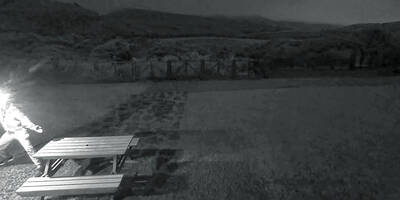
Yangmingshan National Park authorities yesterday urged visitors to respect public spaces and obey the law after a couple was caught on a camera livestream having sex at the park’s Qingtiangang (擎天崗) earlier in the day. The Shilin Police Precinct in Taipei said it has identified a suspect and his vehicle registration number, and would summon him for questioning. The case would be handled in accordance with public indecency charges, it added. The couple entered the park at about 11pm on Thursday and began fooling around by 1am yesterday, the police said, adding that the two were unaware of the park’s all-day live
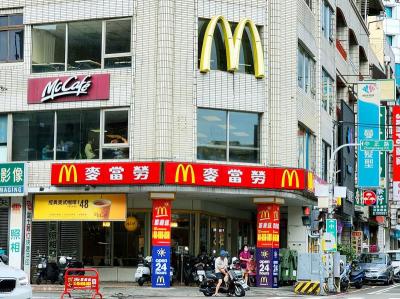
Fast food chain McDonald's is to raise prices by up to NT$5 on some products at its restaurants across Taiwan, starting on Wednesday next week, the company announced today. The prices of all extra value meals and sharing boxes are to increase by NT$5, while breakfast combos and creamy corn soup would go up by NT$3, the company said in a statement. The price of the main items of those meals, if ordered individually, would remain the same. Meanwhile, the price of a medium-sized lemon iced tea and hot cappuccino would rise by NT$3, extra dipping sauces for chicken nuggets would go up
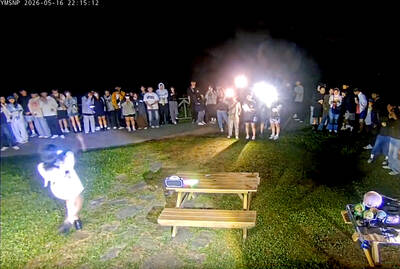
Yangmingshan National Park’s Qingtiangang (擎天崗) nature area has gone viral after a park livestream camera observed a couple in the throes of intimate congress, which was broadcast live on YouTube, drawing large late-night crowds and sparking a backlash over noise, bright lights and disruption to wildlife habitat. The area’s livestream footage appeared to show a couple engaging in sexual activity on a picnic table in the park on Friday last week, with the uncensored footage streamed publicly online. The footage quickly spread across social media, prompting a tide of visitors to travel to the site to “check in” and recreate the

Minister of Digital Affairs Lin Yi-ching (林宜敬) yesterday cited regulatory issues and national security concerns as an expert said that Taiwan is among the few Asian regions without Starlink. Lin made the remarks on Facebook after funP Innovation Group chief executive officer Nathan Chiu (邱繼弘) on Friday said Taiwan and four other countries in Asia — China, North Korea, Afghanistan and Syria — have no access to Starlink. Starlink has become available in 166 countries worldwide, including Ukraine, Malaysia, the Philippines and Vietnam, in the six years since it became commercial, he said. While China and North Korea block Starlink, Syria is not


 RSS
RSS