


People all over Taiwan may be starting to break out their barbecue grills for today's Mid-Autumn Festival, but more and more research is showing that burnt meat can cause cancer, and gasses released during grilling can contain the toxic chemical dioxin.
Lee Ching-jung (林青蓉), a nutritionist at Taipei Medical University, said people should steam or bake their food beforehand to reduce the amount of grilling time.
Cutting thinner pieces of meat and slicing small openings in sausages can reduce grilling time as well, she said.
Different kinds of food should not be put on the same skewer to avoid burning some items while trying to grill slower-cooking ones she said, adding that foods should be kept at least 15cm above the charcoal and grilled slowly over a low heat to keep from becoming burned.
Sprinkling cooked meat with lemon juice or other fruits and vegetables high in vitamin C can prevent the formation of some cancer-causing chemicals, she said.
A sheet of tinfoil placed over the grill will prevent potentially cancer-causing chemicals from contaminating the meat, Lee said.
Research has shown that grilling for two hours releases as much dioxin into the air as 22 cigarettes. As a result, nutritionists recommend not cooking on a grill for more than one hour at a time.
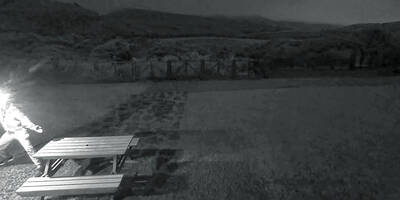
Yangmingshan National Park authorities yesterday urged visitors to respect public spaces and obey the law after a couple was caught on a camera livestream having sex at the park’s Qingtiangang (擎天崗) earlier in the day. The Shilin Police Precinct in Taipei said it has identified a suspect and his vehicle registration number, and would summon him for questioning. The case would be handled in accordance with public indecency charges, it added. The couple entered the park at about 11pm on Thursday and began fooling around by 1am yesterday, the police said, adding that the two were unaware of the park’s all-day live
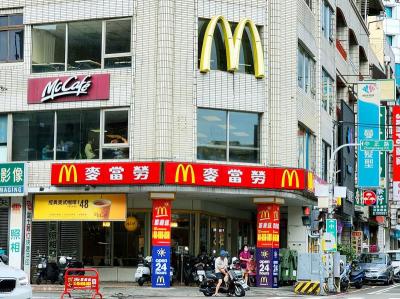
Fast food chain McDonald's is to raise prices by up to NT$5 on some products at its restaurants across Taiwan, starting on Wednesday next week, the company announced today. The prices of all extra value meals and sharing boxes are to increase by NT$5, while breakfast combos and creamy corn soup would go up by NT$3, the company said in a statement. The price of the main items of those meals, if ordered individually, would remain the same. Meanwhile, the price of a medium-sized lemon iced tea and hot cappuccino would rise by NT$3, extra dipping sauces for chicken nuggets would go up

Yangmingshan National Park’s Qingtiangang (擎天崗) nature area has gone viral after a park livestream camera observed a couple in the throes of intimate congress, which was broadcast live on YouTube, drawing large late-night crowds and sparking a backlash over noise, bright lights and disruption to wildlife habitat. The area’s livestream footage appeared to show a couple engaging in sexual activity on a picnic table in the park on Friday last week, with the uncensored footage streamed publicly online. The footage quickly spread across social media, prompting a tide of visitors to travel to the site to “check in” and recreate the

Minister of Digital Affairs Lin Yi-ching (林宜敬) yesterday cited regulatory issues and national security concerns as an expert said that Taiwan is among the few Asian regions without Starlink. Lin made the remarks on Facebook after funP Innovation Group chief executive officer Nathan Chiu (邱繼弘) on Friday said Taiwan and four other countries in Asia — China, North Korea, Afghanistan and Syria — have no access to Starlink. Starlink has become available in 166 countries worldwide, including Ukraine, Malaysia, the Philippines and Vietnam, in the six years since it became commercial, he said. While China and North Korea block Starlink, Syria is not


 RSS
RSS