


Winning ticket holders of Taiwan Lottery or the Unified Invoice Lottery, as the system currently stands, have to pay 20 percent income tax on winnings worth NT$2,000 and above. As the threshold has existed unchanged for over 40 years, Democratic Progressive Party Legislator Shih Yi-fang has proposed a bill raising the threshold to NT$5,000. In response, Minister of Finance Su Jain-rong has promised to conduct a review and issue a report within the next three months. The ministry is expected to issue a preliminary report shortly that will detail amendments to the Standards of Withholding Rates for Various Incomes regulation. It is anticipated that this will include raising the tax-free threshold for lottery winnings from NT$2,000 to NT$5,000, coming into effect as early as December.
During a question and answer session of the Legislative Yuan’s Finance Committee in early April, Shih said that although last year Taiwan Lottery scratchcards sold like hot cakes during the Lunar New Year break, due to the 20 percent tax levy, a member of the public who wins a NT$2,000 prize actually only receives NT$1,600. He gave the example of someone who spends NT$4,000 to purchase two NT$2,000 Taiwan Lottery tickets: one of the tickets wins a NT$5,000 prize, but after income tax is deducted at 20 percent — leaving NT$4,000 — and a further NT$20 of stamp duty is paid, the person is actually out of pocket by NT$20.
Shih believes that since the Standards of Withholding Rates for Various Incomes has remained unchanged since 1979, an adjustment is now due. According to data from the Directorate-General of Budget, Accounting and Statistics, in 1979 NT$2,000 was worth NT$4,968 in today’s money. Shih says the ministry should therefore move with the times and raise the tax-free threshold for lottery winnings from NT$2,000 to NT$5,000.

Photo: Tsai Shu-yuan, Liberty Times
照片:自由時報記蔡淑媛
Ministry officials say that the changes will not come into effect until December due to the requirement for a communication period, and because businesses may need to make adjustments to their systems
(Translated by Edward Jones, Taipei Times)
目前彩券或統一發票中獎獎金超過兩千元就要課徵所得稅百分之二十,由於課稅門檻已超過四十年未修正,民進黨立委施義芳提案,將課稅門檻提高至五千元,財政部長蘇建榮當時允諾三個月內提出檢討報告。據了解,財政部近期將預告修正「各類所得扣繳率標準」,將中獎獎金免稅門檻從兩千元提高到五千元,最快十二月上路。
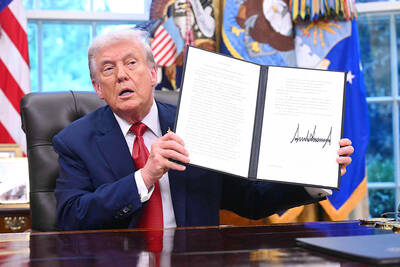
Photo: Cheng Chi-fang, Liberty Times
照片:自由時報記者鄭琪芳
施義芳四月初於立法院財政委員會質詢表示,過年期間刮刮樂賣得非常好,但民眾中獎兩千元就要課稅百分之二十,等於實領一千六百元;若花四千元買兩張兩千元刮刮樂,一張中了五千元,扣掉百分之二十所得稅加上二十元印花稅,還要倒賠二十元。
施義芳認為,「各類所得扣繳率標準」自一九七九年沿用至今,已超過四十年,應有所調整;據主計總處試算系統,一九七九年的兩千元等於今年的四千九百六十八元,財政部應順應時局將中獎獎金免稅門檻從兩千元調高至五千元。
財政部官員表示,由於修正後仍要一段宣導期,且業者系統可能要調整,因此預計今年十二月才會上路。
(自由時報記者巫其倫)
FOLLOW UP
讀後練習
Are you sitting on a winning ticket?
中獎人是你嗎?
Don’t pass up a lucky encounter with the God of Wealth. Although the winning numbers for March and April’s Unified Invoice Lottery were released on May 25, there are still unclaimed invoices out there for the Jan-Feb period. The invoices in question, with the number 00106725, are for the NT$10 million (approx. US$318,000) special draw, and were among 20 winning invoices. For the Jan-Feb period there are currently a total of five unclaimed invoices, including one obtained after purchasing three Taiwan Railways boxed lunches.
The Ministry of Finance says that for the Jan-Feb period there was an unprecedented number of 20 winning invoices for the Unified Invoice Lottery. Five of the unclaimed invoices are for the NT$10 million jackpot, while three are worth NT$2 million. The deadline to claim winning invoices from January and February is July 5 and the ministry urges anyone with a winning invoice to quickly claim their prize.
(Translated by Edward Jones, Taipei Times)
別和財神爺擦身而過!三至四月期統一發票五月二十五日開獎,但一至二月期中獎統一發票獎金仍有人未領,一至二月期統一發票一千萬元特別獎,中獎號碼為「00106725」,中獎張數共計二十張,目前仍有五張還沒有兌領,其中包括一張僅買了三個台鐵便當,就中了千萬大獎。
財政部指出,今年一至二月期統一發票,中獎張數破紀錄達二十張,為史上最多。至今仍有五張千萬中獎發票、三張兩百萬中獎發票未領,一至二月統一發票領獎期限至七月五日,呼籲中獎者盡快兌領。
(自由時報記者巫其倫)
The content recommendation algorithm that powers the online short video platform TikTok has once again come under the spotlight after the app’s Chinese owner ByteDance signed binding agreements to form a joint venture that will hand control of operations of TikTok’s US app to American and global investors, including cloud computing company Oracle. Here is what we know so far about its fate, following the establishment of the joint venture. IS BYTEDANCE CEDING CONTROL? While the creation of this new entity marks a big step toward avoiding a US ban, as well as easing trade and tech-related tensions between Washington and Beijing, there
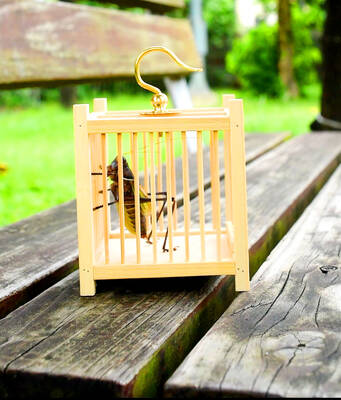
The world is teeming with danger and unpredictability. To safeguard themselves from harm and invite good fortune, people across cultures carry or display symbolic charms and trinkets. It is common to see beckoning cat figurines in stores in Japan, while people in China have historically kept crickets in cages for good luck. Even flora can serve as emblems of luck, with the four-leaf clover standing out as perhaps the most iconic. A clover is a small plant that typically grows 10 to 30 cms in height. While there are many species of clover, the variety that people consider to

Prompted by military threats from Russia, Denmark has recently passed a new conscription law, officially including women in its military draft for the first time. From July 1, 2025, Danish women, upon turning 18, will be entered into the draft lottery. If selected, they are to serve in the military for 11 months, just as men do. Not only has this decision attracted international attention, but it has also sparked discussions on gender, equality and national defense. Although Denmark’s reform appears to promote gender equality, it primarily responds to regional instability and the need to strengthen national defense. With

Continued from yesterday(延續自昨日) https://www.taipeitimes.com/News/lang Many people attribute the four-leaf clover’s reputation for luck not merely to its rarity but also to the myths and legends that surround it. Here are two such tales that help shed light on how the four-leaf clover came to be seen as a lucky charm. The first story originates from the Biblical narrative of Adam and Eve. According to Christian tradition, Adam and Eve, the first humans created by God, resided in the idyllic Garden of Eden. After they were expelled for defying God’s command, Eve is said to have plucked a four-leaf clover as a


 RSS
RSS