


Taiwan can now add another Olympic gold to its tally, as the International Weightlifting Federation (IWF) has listed Taiwanese weightlifter Chen Wei-ling as the gold medal winner in the Beijing Olympics women’s 48-kg weightlifting competition. Chen has now officially been an Olympic gold medal winner by default.
Chen won a bronze medal in the women’s 48-kg weightlifting competition at the 2008 Beijing Olympics with a total score of 196 kg, lifting 84 kg in the snatch event and 112 kg in the clean and jerk event. She saw her medal upgraded to the silver last year when previous silver medalist, Sibel Ozkan of Turkey, was disqualified after failing in a doping re-test.
Then, the original Chinese gold medalist Chen Xiexia was disqualified after she was found to have violated the rules against doping, according to the official IWF Web site. Chen now officially becomes the Beijing Olympics gold medalist, making hers Taiwan’s fifth Olympic gold.(CNA)
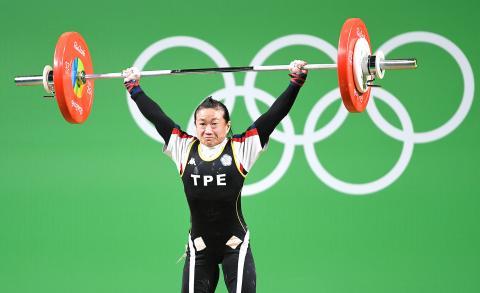
Photo: CNA
照片: 中央社
台灣再添一面奧運金牌,國際舉重總會已將台灣女將陳葦綾列為北京奧運女子四十八公斤級金牌,陳葦綾正式遞補成為奧運金牌得主。
陳葦綾在二○○八年北京奧運女子舉重四十八公斤級繳出抓舉八十四公斤、挺舉一百一十二公斤、總和一百九十六公斤的成績,當時獲得銅牌,但土耳其的銀牌得主厄茲坎,在去年因為藥檢未過遭到取消資格,陳葦綾先遞補銀牌。
隨後奪得金牌的中國選手陳燮霞,也因藥檢未過,在國際舉重總會的官網上,陳葦綾已經正式遞補北京奧運金牌,成為台灣史上第五面奧運金牌。(中央社)
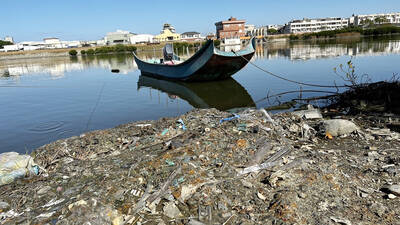
Many consumers are guilty of filling drawers or closets with old laptops, cellphones, fitness trackers and other electronic devices once they are no longer needed. It’s hard to know where to recycle such items, or it seems costly and inconvenient to do so. The world generates millions of tons of electronic waste — also called e-waste — each year. According to the UN’s most recent estimate, people worldwide produced 62 million metric tons of e-waste in 2022, and only about 22 percent of it was properly recycled. The US’ Environmental Protection Agency estimates that less than a quarter of e-waste is
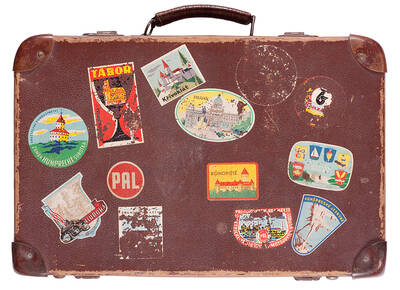
Travel fever is back, and it’s contagious. After years of being kept home during the COVID-19 pandemic, people are once again eager to explore the world. Rather than just book any trip, travelers are getting smarter about how they scratch that travel itch. Microcation Defined as four days or fewer and over 160km away from home, the microcation perfectly matches the post-pandemic mindset. After long periods of remaining indoors, people are making up for lost time by taking short, frequent getaways throughout the year. These brief trips avoid the work-life imbalance that comes with long absences. With only a few days away, one’s

You’re sitting in class when a classmate asks to borrow a pencil. It seems like a small favor, so you agree without hesitation. The following week, the same classmate asks to share your notes. Later, they request help with a group project. You agree each time — after all, you helped out the first time — but before you know it, it has become automatic. This scenario demonstrates the “foot-in-the-door technique,” a psychological concept that shows how agreeing to small, acceptable demands makes it easier to accept larger ones later on. The name for this strategy comes from door-to-door

Continued from yesterday(延續自昨日) https://www.taipeitimes.com/News/lang Gig Tripping “Gig tripping” combines concerts with travel. People fly to see their favorite artists perform — usually abroad—and spend a few days sightseeing before or after the show. While die-hard fans have done this since the 1960s, the post-pandemic travel boom changed the game. Even people who aren’t superfans are now booking international concert trips because they want to make the most of travel opportunities. This trend exploded in the US, as the math makes sense. Domestic concert tickets are so costly that flying abroad for the show plus tourism expenses often matches or even beats the price


 RSS
RSS