


Scientists have finally solved the mystery of a milky rain that **coated** cars and raised eyebrows across a wide swathe of North America’s Pacific Northwest region this February. A Washington State University team said they had determined that dust from the dry bed of a shallow lake some 772 kilometers from where the rain fell was to blame for the unusual precipitation.
The rain left a trail of powdery residue across a nearly 322-kilometer stretch of eastern parts of Oregon and Washington State, leaving scientists and residents **perplexed** about its origins. Some scientists initially **speculated** that an erupting Japanese volcano was the source of the powdery white substance. Others blamed wildfires, and some thought that a Nevada dust storm was the cause.
All three theories were proven wrong. That led researchers to consider Oregon’s Summer Lake, which is shallow and often largely dries up during droughts. A storm with winds reaching 96 kilometers per hour struck Summer Lake the night before the milky rain.
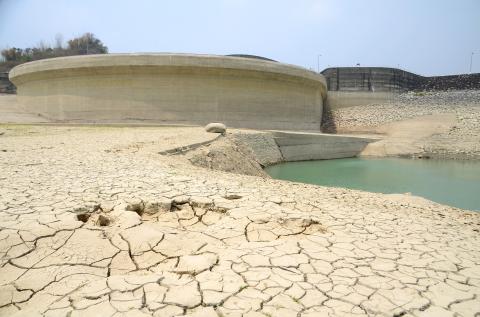
Photo: Wu Chun-feng, Liberty Times
照片:自由時報記者吳俊鋒
“That would have been powerful enough to lift a good-sized dust plume,” said Nic Loyd, a meteorologist at the university.
(Courtesy of the Liberty Times)
今年二月間,在北美太平洋西北地區廣大地帶讓車輛覆蓋白白一層、讓人驚訝不已的牛奶雨之謎,終於被科學家解開。美國華盛頓州立大學的研究團隊說,他們判定這種不尋常的降雨,都是約七百七十二公里外一座淺湖乾涸湖底的沙所造成。
那陣雨降在奧勒岡州與華盛頓州東部,將近三百二十二公里的地帶遍佈粉末,讓科學家與居民不解其來源。某些科學家起初推斷,這種粉末狀白色物質來自日本一座噴發的火山。有人怪罪野火,也有人認為原因在於內華達州的沙塵暴。
結果證實上述三種理論都不正確。這讓研究人員開始考慮水不深、乾旱期大半乾涸的奧勒岡州夏湖。天降牛奶雨的前一晚,夏湖下了一場挾著每小時風速達九十六公里的暴風雨。
華盛頓州大氣象學家尼克.羅以德表示:「那種力量強大到足以捲起大片沙塵。」
(自由時報提供/翻譯:自由時報國際新聞中心)
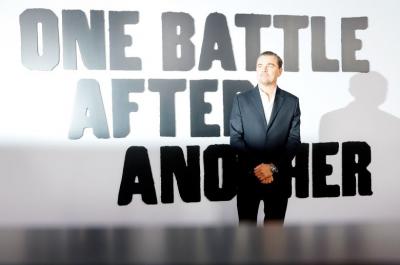
A: The Oscars are set to take place next weekend. It’s a pity that the Taiwanese film “Left-handed Girl” got snubbed. B: And this year, the horror film “Sinners” broke the all-time record with 16 nominations, followed by “One Battle After Another” with 13 nods. Both are nominated for Best Picture. A: What are other Best Picture contenders? B: The nominees are: “Bugonia,” “F1: The Movie,” “Frankenstein,” “Hamnet,” “Marty Supreme,” “The Secret Agent,” “Train Dreams” and Norwegian film “Sentimental Value.” A: It’s so hard to choose from. Some of them haven’t been released in Taiwan yet. I hope they’ll be released soon. A: 本屆奧斯卡獎下週即將揭曉,可惜國片《左撇子女孩》未入圍。 B: 恐怖片《罪人》共獲得16項提名,打破影史紀錄。《一戰再戰》則獲得13項提名緊追在後,都是最佳影片大熱門! A:

A: As the Oscars are about to shine next weekend, several nominees are set to be released in Taiwan — such as “Hamnet,” with eight nominations. B: The movies that I most want to see this year are “Michael,” “The Devil Wears Prada 2” and “Star Wars: The Mandalorian and Grogu.” A: Other hit movies include “Disclosure Day,” “The Odyssey,” “Spider-Man: Brand New Day,” “Digger,” “Avengers: Doomsday,” “Dune: Messiah” and the live-action adaptation of Disney’s “Moana.” B: Highly anticipated animated films include “The Super Mario Galaxy Movie,” “Toy Story 5,” “Minions 3” and “The Angry Birds Movie 3.” A: Plus, Taiwanese blockbuster “Sunshine

When purchasing sunglasses, many people prioritize fashion or comfort. However, experts warn that eye safety should be the foremost concern. Prolonged exposure to ultraviolet (UV) rays can lead to serious eye problems, including cataracts, macular degeneration, and even a painful condition called photokeratitis, or “sunburn of the eye.” Because of these risks, selecting sunglasses with proper UV protection is essential. One common misconception is that darker lenses automatically block more UV rays. In fact, lens color and darkness have little to do with UV protection. A pair of stylish, dark sunglasses without the appropriate coating can be dangerous because

Continued from yesterday(延續自昨日) https://www.taipeitimes.com/News/lang Here’s a breakdown of several common lens colors and their functions to help you choose the right one for your needs: ‧ Green: This tint enhances contrast by filtering some blue light, which also reduces glare and eye strain. It’s a great choice for sports like golf and tennis, or for everyday use. ‧ Gray: A neutral tint that reduces glare without distorting colors and works well on both cloudy and sunny days. It also helps prevent fatigue, making it an excellent all-purpose lens for activities like driving. ‧ Blue or purple: These lenses provide


 RSS
RSS