


After analyzing a survey — “A Longitudinal Study of the Mental and Physical Health of Social Life among Taiwan’s Middle-Aged and Senior Citizens” — released by the Bureau of Health Promotion, which included 4,440 people over the age of 53, Alan Tsai, a professor in the Department of Healthcare Administration at Asia University, found that people eating fruit and vegetables at least five times every week are 23 percent less likely to suffer from cognitive decline four years later, while people who consumed dairy products at least three times per week were 17 percent less likely to suffer from the syndrome than those consuming dairy products less than twice a week.
The analysis also showed that, over a relatively short period of time, ingesting certain foods can lower one’s risk of cognitive decline. People who ate fruit and vegetables at least five times per week were 31 percent less likely to suffer cognitive decline than those only eating them four times per week. People who ate eggs at least three times a week were 19 percent less likely to suffer from the syndrome than those eating eggs only twice a week. Eating beans can also lower one’s risk of cognitive decline by 20 percent, while drinking tea can lower risk by 21 percent.
Absorbing nutrients from your diet is a long-term process. The main reason that eating more fruit, vegetables and dairy products can lower the risk of cognitive decline is because fruits and vegetables contain large amounts of antioxidants, which fight against free radicals. Dairy products, on the other hand, contain vitamin B12, which is crucially important to nervous tissue function and enhances memory and attention as well. However, Tsai says that it is best to limit one’s intake of fruit since they are rich in sugar, and instead eat plenty of leafy dark green vegetables or a diversity of vegetables.
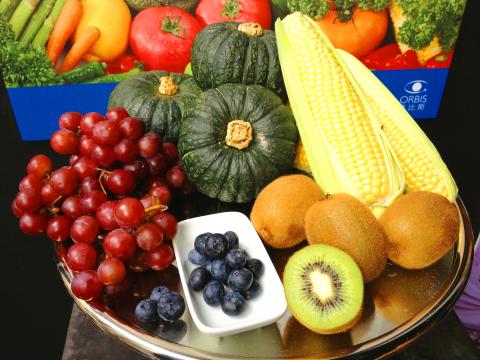
Photo: Chiu Yi-chun, Liberty Times
照片:自由時報記者邱宜君
Aside from dietary habits, Tsai also stresses the importance of exercising regularly and having normal living habits, which can also help prevent cognitive decline. He recommends exercising for at least 40 minutes three or four times every week, or at least 150 minutes per week. For seniors especially, he suggests walking more or speed walking to help enhance one’s capacity to move around and to improve the body’s ability to maintain homeostasis.
(Liberty Times, Translated by Kyle Jeffcoat)
亞洲大學健康產業管理學系教授蔡仲弘針對國健局「台灣中老年身心社會生活狀況長期追蹤調查」四千四百四十名五十三歲以上民眾進行分析,結果發現,每週攝取超過五次以上蔬果的人,追蹤四年後認知退化風險減少百分之二十三,而每週攝取乳品超過三次以上者比低於二次的人,四年後認知退化風險則減少百分之十七。
在短期攝取食物降低認知功能退化風險上,分析亦發現,每週攝取蔬果大於五次的人,比起四次的人可以降低百分之三十一的認知退化風險;每週攝取蛋類超過三次者,比二次者可降低百分之十九的認知退化風險,攝取豆類則可以減少百分之二十,茶類則可以減少百分之二十一的認知退化風險。
飲食攝取是長期的事,多吃蔬果及乳品對於降低認知功能退化有幫助,主因為蔬果含有大量又多種的抗氧化物質,可對抗自由基,乳品類則含維生素B12,對神經組織有重要影響,且能增強記憶力及注意力;不過,蔡仲弘建議,最好是多攝取深色葉菜類或大量多樣蔬菜,水果因含糖量高,攝取比例則應下降。
除了飲食習慣,蔡仲弘亦強調,平時養成規律運動及正常生活習慣,也可以預防認知功能惡化,他建議每週運動三、四次,每次四十分鐘,每週至少一百五十分鐘,尤其老人家可以多走路或快走,可訓練走路行動能力,讓協調變好。
(自由時報記者魏怡嘉)


A: Isn’t the 2026 Coachella Valley Music and Arts Festival — a massive music event held every April — about to open in California? B: Yeah the festival is set to take place over two weekends, from April 10 to 12 and 17 to 19, US time. A: I heard this year’s main stage headliners include Sabrina Carpenter, Justin Bieber, Karol G and EDM DJ Anyma. B: The K-pop army is also making an appearance, with legendary group BigBang, SHINee member Taemin and girl group Katseye debuting for the first time. A: Isn’t Coachella also live-streamed on its YouTube

★ Bilingual Story is a fictionalized account. 雙語故事部分內容純屬虛構。 Lucas was already on the ground before he fully understood what was happening. “Hurry! Kneel down!” someone shouted. The asphalt was warm against his knees. Around him, dozens of people lay flat in the narrow street outside Jenn Lann Temple in Dajia. Some pressed their hands together in prayer. Others closed their eyes. Lucas had only come to look at the temple. An hour earlier he had stepped into the noisy courtyard out of curiosity. Inside the main hall, people held incense sticks, bowed three times,

You might think knitting is only for grandmas, but surprisingly, many young people are embracing so-called “grandma hobbies.” On social media platforms, activities such as home cooking, embroidery and gardening are becoming popular among teenagers and young adults who are drawn to their relaxing and creative nature. “Grandma hobbies” typically refer to activities that are slow-paced, handmade and nostalgic. Common examples include knitting scarves, baking cookies, sewing clothes and growing plants. These hobbies were once part of everyday life for many women in previous generations, but today they provide an escape from the fast-paced digital world. The appeal
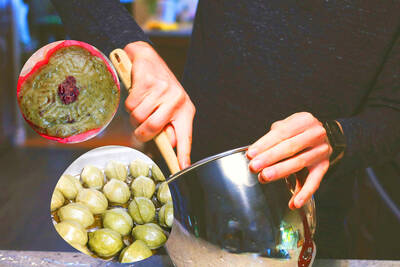
對話 Dialogue 清清:我連假回老家掃墓,帶了一些草仔粿回來,你要不要吃吃看? Qīngqīng: Wǒ liánjià huí lǎojiā sǎomù, dài le yìxiē “tsháu-á-kué” huílái, nǐ yào bú yào chī chī kàn? 華華:哇!看起來就很好吃。這是你們家自己做的嗎? Huáhua: Wa! Kàn qǐlái jiù hěn hǎochī. Zhè shì nǐmen jiā zìjǐ zuò de ma? 清清:對啊,是我阿姨親手做的。每年清明節她都會做。 Qīngqīng: Duì a, shì wǒ āyí qīnshǒu zuò de. Měinián Qīngmíng jié tā dōu huì zuò. 華華:你阿姨手藝真好!看起來好像外面賣的。 Huáhua: Nǐ āyí shǒuyì zhēn hǎo! Kàn qǐlái hǎoxiàng wàimiàn mài de. 清清:口味有鹹的,也有甜的。 Qīngqīng: Kǒuwèi yǒu xián de, yě yǒu tián de. 華華:聞起來好香!裡面包什麼? Huáhua: Wén qǐlái hǎo xiāng! Lǐmiàn bāo shénme? 清清:鹹的是蘿蔔絲的,甜的有紅豆口味和綠豆口味的。你想要哪種? Qīngqīng: Xián de shì luóbo sī de, tián de yǒu hóngdòu kǒuwèi hàn lǜdòu kǒuwèi de. Nǐ xiǎng yào nǎ zhǒng? 華華:我不挑食,哪種都可以,你幫我選吧。謝謝你跟我分享! Huáhua: Wǒ bù tiāoshí, nǎ


 RSS
RSS