


Fans of daoxiaomian, or knife-cut noodles, will want to add 93 Taohsiaomien (93刀削麵館) to their list of places to go. This small and clean shop, located a block behind the Sheraton Hotel on Zhongxiao East Road Section 1 (忠孝東路一段) in Taipei, is a reliable neighborhood standby for northern Chinese-style noodle dishes, boiled dumplings and scallion pancakes.
It’s hard to go wrong with 93’s specialty, tomato broth beef noodles (番茄牛肉麵, NT$120), though I prefer the plain tomato soup noodles (番茄麵, NT$80), which hits the spot for taste and texture. The tomato broth is tangy with a hint of sweetness, while the knife-cut noodles are thick and have the “QQ,” or chewy, firm texture that lovers of this Shanxi staple will appreciate. Have a bowl with a fried pork chop instead of beef (番茄排骨麵, NT$120) or go all out and have tomato and beef broth with pork chop (番茄牛湯排骨麵) for NT$130.
If this sounds too hearty for summer, you can always replace the knife-cut noodles with rice noodles (冬粉) at the same cost, or do without the soup. 93 offers a respectable version of the classic moo-shu stir-fried noodles (木須炒麵, NT$85), which is made with the standard ingredients, including scrambled egg and “wood ear” mushroom. Add pork to the mix for an additional NT$50, or beef for an additional NT$10.
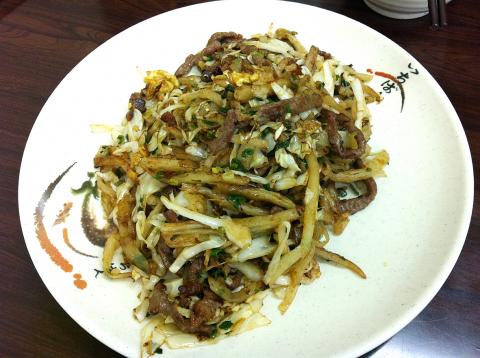
Photo: David Chen, Taipei Times
The stir-fried noodles are only available at dinnertime and Saturday lunch, but for non-soup options, there’s always zhajiang mian, literally “fried sauce noodles” (炸醬麵, NT$60).
The typical Shanxi-style noodle joint in Taipei is usually a rundown affair, with the cook stationed at the shop front, whittling away at a block of dough, as chunks of noodles fly into a vat of boiling water. You won’t find this novelty at 93, which has a typically drab, but squeaky clean interior, complete with fluorescent lights and a flatscreen TV on the wall. It seems well-suited to the clientele. You’ll see moms with kids in tow, stopping in for a quick after-school dinner, as well as civil servants and staff workers from the nearby Executive Yuan, who stand out with their neatly pressed black slacks, short-sleeve white button-down shirts and black loafers.
Another reason to come to 93 is the shop’s tasty scallion pancakes (蔥油餅, NT$30), which are made fresh from scratch. An order paired with tomato soup (NT$55), the same broth used in the noodle soups, makes for a nice light meal for one.
The restaurant also offers a dish you don’t often see at beef noodle shops: chaobing (炒餅) is like a noodle stir-fry except that the noodles are replaced with scallion pancake sliced into thin strips. The polite waitresses will warn you the dish takes a bit longer to prepare, but it’s worth the wait.
At NT$95, the chaobing with chopped beef (牛肉炒餅) is a great deal for a filling meal. A friend of mine who goes there regularly thinks the shop should be charging NT$20 more for it. He thinks it’s that good; I like it but find it a tad too salty. A vegetable chaobing (蔬菜炒餅, NT$85), which comes stir-fried with cabbage and scrambled egg, is equally satisfying. This dish is only available in the evenings and for Saturday lunches.
One last recommendation: If you get a cold appetizer (NT$20), go for the chopped eggplant, which is fried to a light, crispy golden brown, chilled and then served with a delicious garlic soy sauce.

Yesterday, the Democratic Progressive Party (DPP) nominated legislator Puma Shen (沈伯洋) as their Taipei mayoral candidate, the Chinese Nationalist Party (KMT) put their stamp of approval on Wei Ping-cheng (魏平政) as their candidate for Changhua County commissioner and former legislator Tsai Pi-ru (蔡壁如) of the Taiwan People’s Party (TPP) has begun the process to also run in Changhua, though she has not yet been formally nominated. All three news items are bizarre. The DPP has struggled with settling on a Taipei nominee. The only candidate who declared interest was Enoch Wu (吳怡農), but the party seemed determined to nominate anyone
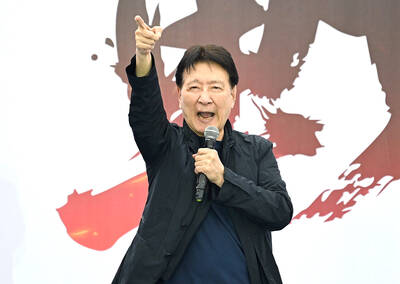
In a sudden move last week, opposition lawmakers of the Chinese Nationalist Party (KMT) and Taiwan People’s Party (TPP) passed a NT$780 billion special defense budget as a preemptive measure to stop either Chinese leader Xi Jinping (習近平) or US President Donald Trump from blocking US arms sales to Taiwan at their summit in Beijing, said KMT heavyweight Jaw Shaw-kong (趙少康), speaking to the Taipei Foreign Correspondents Club on Wednesday night in Taipei. The 76-year-old Jaw, a political talk show host who ran as the KMT’s vice presidential candidate in 2024, says that he personally brokered the deal to resolve
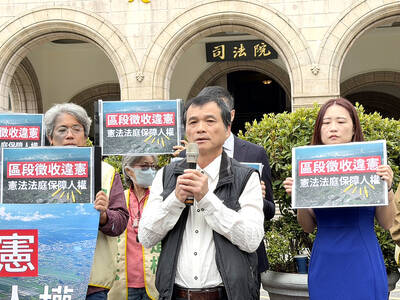
What government project has expropriated the most land in Taiwan? According to local media reports, it is the Taoyuan Aerotropolis, eating 2,500 hectares of land in its first phase, with more to come. Forty thousand people are expected to be displaced by the project. Naturally that enormous land grab is generating powerful pushback. Last week Chen Chien-ho (陳健和), a local resident of Jhuwei Borough (竹圍) in Taoyuan City’s Dayuan District (大園) filed a petition for constitutional review of the project after losing his case at the Taipei Administrative Court. The Administrative Court found in favor of nine other local landowners, but
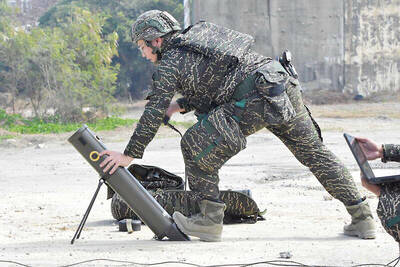
The Chinese Nationalist Party (KMT) and its sock puppet, the Taiwan People’s Party (TPP), passed their version of the government’s proposed supplementary defense spending bill last week, engendering much commentary. While all eyes were on the defense budget, the PRC’s assault on Taiwan was advancing on other fronts. The removal of domestic drone production and other technologies critical to the nation’s asymmetrical defenses from the list of items purchased in the “compromise” bill shows how the KMT-TPP alliance appears to be serving the People’s Republic of China (PRC). Ironically, the cuts will impact industries heavily represented by tech firms in areas run


 RSS
RSS