

Flowers, butterflies and femininity — these are the themes that were celebrated at Bridging the World Through Art, an exhibition held earlier this month at the Taipei Economic and Cultural Office in New York City. The exhibition featured works by painters Lee Chin-chu (李金祝) and Leontina Pineda Lupiac, from Taiwan and Honduras, respectively.
The exhibition is the second in a cooperative project that was initiated last year to highlight the ties between Taiwan and Honduras. This year’s event was attended by representatives and ambassadors from 20 countries.
Born in Yunlin, Lee had yet to receive any formal training in painting when she met renowned Taiwanese painter Chang Yi-hsiung (張義雄) at his solo exhibition in 1988. Lee, who was 35 at the time, followed Chang to Paris to study painting. There, she received awards for her work at the city’s Spring and Autumn salons in 1990, 1991 and 1992.
Lee is known for her use of bright and vibrant colors. In the oil paintings displayed in New York, she examined feminine beauty with a bold palette of reds and greens that conveys a sense of jubilation and festivity.
Lupiac is herself a story of female strength and courage. A near-fatal car accident in 1999 prompted Lupiac, then 56, to turn to painting as therapy to overcome alcoholism and, later, breast cancer. Now, a decade on, this artist of Spanish, French and indigenous ancestry is widely recognized in the US for a style that blends realism and impressionism, two genres that the artist says draw her closer to God and Nature.
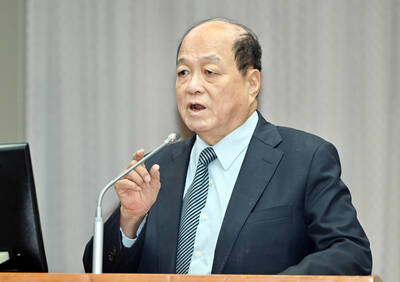
The Nuclear Safety Commission (NSC, 核安會) on Sept. 24 approved the re-operation plan that Taiwan Power Co (Taipower, 台電) filed in March for the Ma-anshan Nuclear Power Plant in Pingtung County, after three rounds of review and 589 comments. Taipower now has to carry out the work in the plan and its own inspections on ageing, radiation and seismic resistance, then report back to the commission for review and on-site checks. Minister of Economic Affairs Kung Ming-hsin (龔明鑫) has named 2028 as the earliest restart. The NSC has given no date. THE DEBATE No challenge has been identified as to whether Ma-anshan
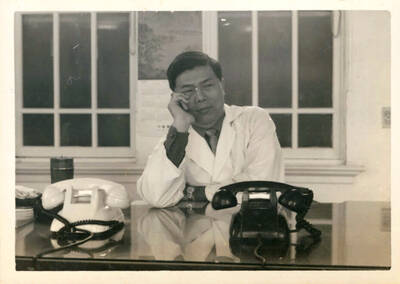
Oct. 12 to Oct. 18 After 11 years in prison on Green Island, Yen Shih-hung (顏世鴻) was finally due for release when a camp guard asked him for NT$20,000 to help pay his bride price. Yen refused. The next day, officials deemed that he had “failed to improve his thinking” and ordered him to undergo further political reeducation on Siaoliouciou (小琉球), where prisoners were also subjected to forced labor. He spent another 19 months there before regaining his freedom in January 1964. Yen’s punishment stemmed from his joining the Taiwan Provincial Student Affairs Committee

Cognitive warfare, says the Ministry of National Defense (MND), is the People’s Republic of China’s (PRC) use of “political, economic, cultural, military and legal means, with the intent to divide internal unity and undermine social stability” in Taiwan. Last week offered several examples. PRC media in October last year reported that the Chongqing Municipal Public Security Bureau had opened an investigation into Democratic Progressive Party (DPP) Legislator Puma Shen (沈伯洋), the DPP’s mayoral candidate for Taipei in next month’s election, for “Taiwan independence” activities. This was a cognitive warfare ploy, designed to unsettle the targeted person and to establish the idea
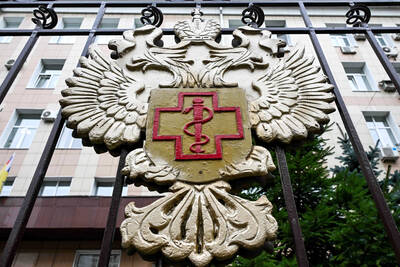
In pandemic preparedness work, scientists like to focus on the technical challenges: identifying pathogens, diagnosing infections, understanding their effects and developing vaccines and treatments. Each step promises progress through human innovation, investment and planning. The WHO, for example, brings experts together to identify and prioritize emerging disease threats and collect the evidence needed to prepare for them. But preparedness depends on more than scientific innovation. As the past week has shown, politics is the elephant in the room in all of this. No one could have predicted we would be talking about pneumonic plague, and that the death of a single


 RSS
RSS