

In pandemic preparedness work, scientists like to focus on the technical challenges: identifying pathogens, diagnosing infections, understanding their effects and developing vaccines and treatments. Each step promises progress through human innovation, investment and planning. The WHO, for example, brings experts together to identify and prioritize emerging disease threats and collect the evidence needed to prepare for them. But preparedness depends on more than scientific innovation.
As the past week has shown, politics is the elephant in the room in all of this. No one could have predicted we would be talking about pneumonic plague, and that the death of a single lab worker in Russia would cause global headlines. It might feel like an overreaction: the WHO deals with thousands of potential disease signals worldwide every month. But the circumstances of this case are unusual given the lack of transparency from Russian authorities on what happened — and ongoing concern about biological weapons research.
The 28-year-old lab worker died after developing severe pneumonia. She worked at the Irkutsk Anti-Plague Research Institute, established in 1934, which studies plague and other dangerous pathogens including anthrax and cholera, and is rumored to be involved in biological weapons research. Ashish Jha, who was the US White House COVID-19 response coordinator, and who co-chaired an Ebola commission with me, wrote on social media: “US intelligence assess that Russia’s scientists continue developing biological weapons capabilities. Those programs operate in secret. Nobody outside inspects them and nobody inside has much incentive to admit when something goes wrong.”
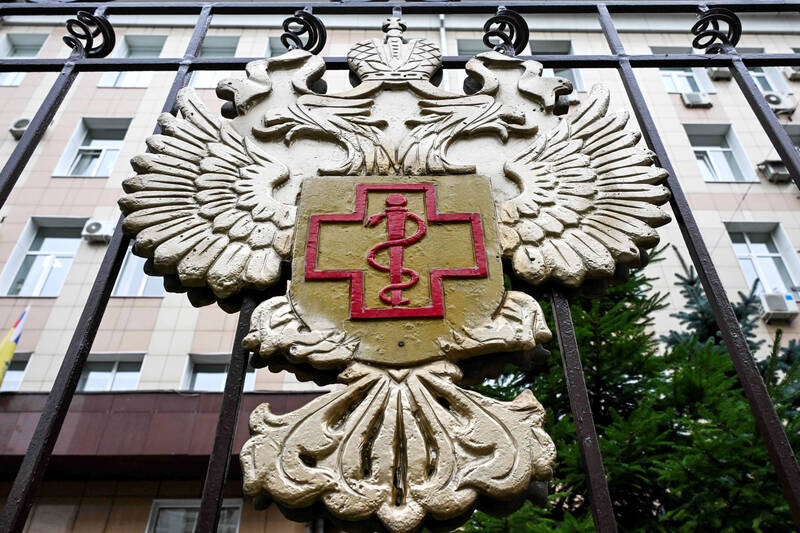
Photo: AFP
On top of that, initial local media coverage suggested that she had died from pneumonic plague after a lab accident, possibly a broken test tube. Pneumonic plague is caused by a bacterium (Yersinia pestis), and can spread through respiratory contact and is always fatal if untreated. If antibiotics are given in the first 24 hours after symptoms, or even before onset of symptoms post-exposure, it is largely treatable. If she knew she had been exposed, why was treatment not given in time? (Pneumonic plague is a different disease to the more common bubonic plague, which transmits through flea bites.)
Despite Russian health authorities denying that it was a case of plague and insisting it was pneumonia of unknown origin, they quickly placed about 200 contacts of the lab worker under quarantine. The authorities reported that no high-threat pathogens were detected and monitoring had ended. The WHO released a statement noting a potential second linked case, but Russia denied this. The cause of death remains unconfirmed.
INSUFFICIENT INFORMATION

Photo: AFP
The WHO has pushed the Russian government for more information — including confirmation of the diagnosis and details of the investigations, the reason why it put so many people in quarantine and more information on the second case — but it has not yet received this information.
On the one hand, if this infection was spreading further, additional cases would have emerged by now. The lab worker died on Oct. 2, and the testing of contacts and release of those in quarantine indicates that any spread has been contained so far. However, given that the incubation period can be one to three days, continued monitoring is important.
There are three hypothetical scenarios if we assume the illness was pneumonic plague. The first is that the lab worker was accidentally exposed to the bacterium while doing research, and either didn’t know, or didn’t tell anyone out of fear — and therefore didn’t ask for treatment immediately. So when she became sick, her window of treatment had been missed.
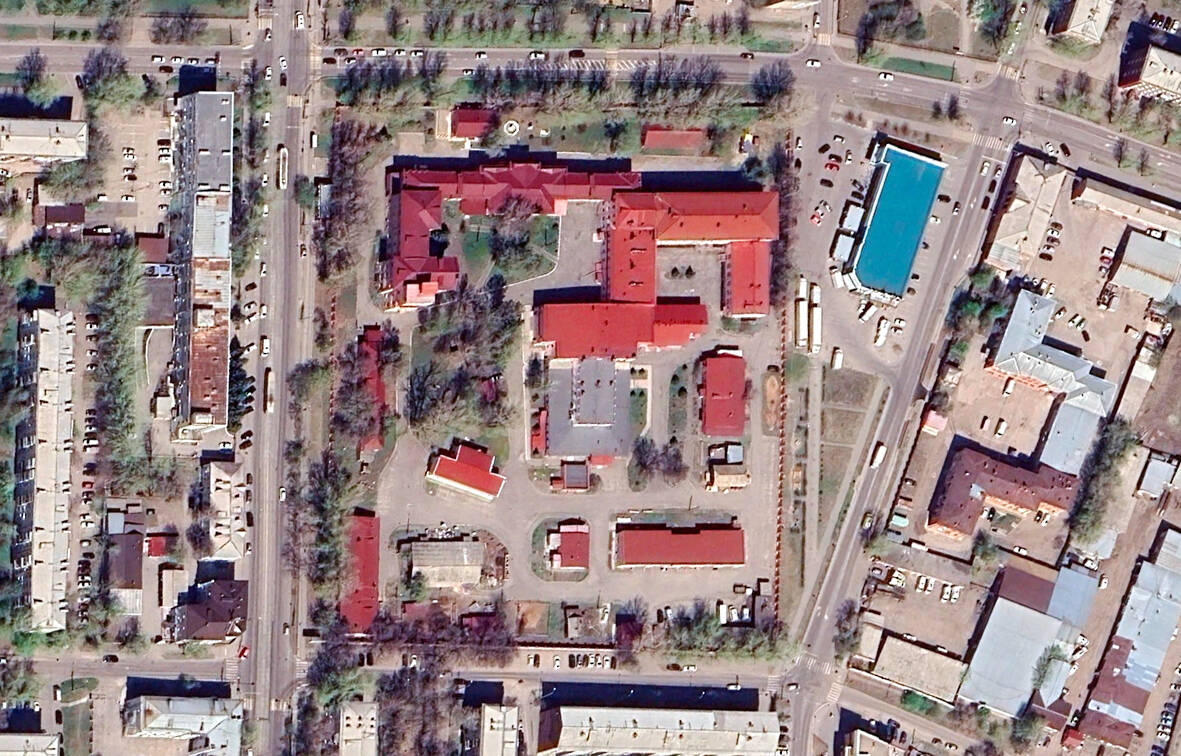
Photo: Reuters
Second, the lab worker was exposed to an antibiotic-resistant strain. This may sound like a conspiracy theory, but senior academics have raised concerns given the history of the Soviet biological weapons program and the potential for pathogens to be engineered for hostile purposes.
Third, Dan Singer (the former White House director for countering biological threats) has suggested that this lab worker might have been given an outdated vaccine, which is only available in Russia as it is not approved by the WHO or most other countries. This is a live-attenuated vaccine, meaning a weakened version of the bacteria is given, but it doesn’t always provide protection and sometimes can cause disease.
ACCESS NEEDED
In short, we don’t know what happened because there is insufficient information from the Russian authorities. To understand what happened, investigators would need access to laboratory and clinical evidence, including genomic sequencing, pathogen identification and details of the worker’s research. Without this, we are left with speculation when only scientific certainty will do.
As a member of the WHO, Russia has an international legal obligation to share information with the agency. The WHO’s health regulations specifically cover “unusual and unexpected” events, as well as those with serious public health impact and with significant risk of international spread, or that risk affecting trade or travel. But unfortunately, as with most international law, there’s no real enforcement mechanism. There is a reliance on broad cooperation across countries, with the understanding that sharing information on disease spread is in all nations’ best interests.
The US government has also put pressure on Russia for answers, with US President Donald Trump saying he would speak to Putin about the situation. The US state department also formally requested further information under the international health regulations — the irony being that the US withdrew from the WHO in January, but is now invoking the international framework it left behind.
As a scientist watching this unfold, I’m reminded that while we can have research and expert conferences into better diagnostics, faster genomic sequencing, more effective vaccines and accessible treatments, none of these advances can compensate for a failure to share the information needed to identify a pathogen in the first place. Preparedness is a political challenge as well as a scientific one. And without transparency, it will be a case of one step forward, two steps back.

There was a time when Chinese master Yuan Shimao thought martial arts were all about punching and kicking. As a young practitioner, he focused on speed and strength. “I trained that way for many years without becoming still enough to search within myself,” said Yuan, who founded a kung fu academy in central China in 2004. “But as you gradually settle into stillness, you begin to understand what the scriptures mean by spirit,” he added. “You can begin to rediscover yourself.” That process is known as “entering the Dao” in martial arts. It is a guiding principle at Yuan’s academy in the sacred
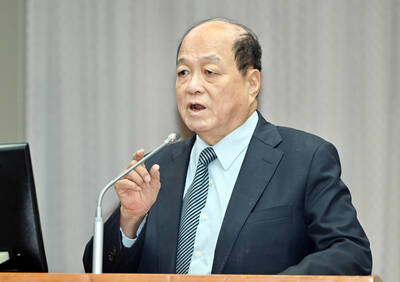
The Nuclear Safety Commission (NSC, 核安會) on Sept. 24 approved the re-operation plan that Taiwan Power Co (Taipower, 台電) filed in March for the Ma-anshan Nuclear Power Plant in Pingtung County, after three rounds of review and 589 comments. Taipower now has to carry out the work in the plan and its own inspections on ageing, radiation and seismic resistance, then report back to the commission for review and on-site checks. Minister of Economic Affairs Kung Ming-hsin (龔明鑫) has named 2028 as the earliest restart. The NSC has given no date. THE DEBATE No challenge has been identified as to whether Ma-anshan

Cognitive warfare, says the Ministry of National Defense (MND), is the People’s Republic of China’s (PRC) use of “political, economic, cultural, military and legal means, with the intent to divide internal unity and undermine social stability” in Taiwan. Last week offered several examples. PRC media in October last year reported that the Chongqing Municipal Public Security Bureau had opened an investigation into Democratic Progressive Party (DPP) Legislator Puma Shen (沈伯洋), the DPP’s mayoral candidate for Taipei in next month’s election, for “Taiwan independence” activities. This was a cognitive warfare ploy, designed to unsettle the targeted person and to establish the idea

Oct. 12 to Oct. 18 After 11 years in prison on Green Island, Yen Shih-hung (顏世鴻) was finally due for release when a camp guard asked him for NT$20,000 to help pay his bride price. Yen refused. The next day, officials deemed that he had “failed to improve his thinking” and ordered him to undergo further political reeducation on Siaoliouciou (小琉球), where prisoners were also subjected to forced labor. He spent another 19 months there before regaining his freedom in January 1964. Yen’s punishment stemmed from his joining the Taiwan Provincial Student Affairs Committee


 RSS
RSS