

Mary's Bistro Cafe Australian Cuisine (美麗詩澳洲餐廳)
Address: 2F, 89 Renai Rd Sec 2, Taipei (台北市仁愛路二段89號2樓)

PHOTO: HO YI, TAIPEI TIMES
Telephone: (02) 3322-1859
Open: Weekdays from 11am to 10pm; weekends from 11am to 11pm
Average meal: NT$400 to NT$1,000
Details: Menu in Chinese and English; credit cards accepted
On the Net: www.maryscafe.com.tw
Jack Lien (連致翔) had a boy's dream job: designing racing cars for the Holden Racing Team in Australia. After returning to Taiwan in 2005 and shifting gear to a career in the heavy-motorcycle trade, the 20-something decided to pursue another love of his life: Australian food.
"Fish and chips, pies and steak are the staples of the traditional Australian table. But now Australian cuisine can be best defined as creative ... and experimental, drawing elements from Asia, Europe and the US," said the proprietor, who moved to Australia with his family when he was 10.
Importing most of the ingredients from Australia and New Zealand, Lien aims to transplant the colorful Australian restaurant scene to Taipei in the spacious establishment decked out in a lively combination of black, white and Ferrari-red with a outdoor dining area for patrons who want to enjoy the summer breeze.
The appetizer list includes Vietnamese spring rolls and nachos to abalone and fried giant oysters. On the salad side, customers can choose from Thai squid to Italian tomato, topped with homemade dressings.
Pizzas, pastas and Asian noodles can also be found on the extensive menu. For a true Aussie meal, you can have barbeque sauce pizza with bacon, eggs, onion and mozzarella cheese. For a more Asian feel, check out the beef or seafood fried noodles spiced with sambal chili sauce.
Meat features big on the menu, with veal ribs (NT$490) and spiced lamb ribs (NT$650) highly recommended, both lightly seasoned to allow the quality of the meat to shine through. A must-try is the prime rib eye steak (NT$820).
Vegetarians are also welcome as the joint serves many dishes made without meat including pizza, pasta and a vegetable roast.
As the night advances and candles are lit, the cafe morphs into a lounge bar and diners can kick back and relax with something from the wide selection of Australian red and white wines, beers and spirits.
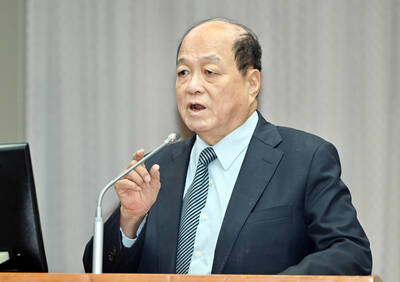
The Nuclear Safety Commission (NSC, 核安會) on Sept. 24 approved the re-operation plan that Taiwan Power Co (Taipower, 台電) filed in March for the Ma-anshan Nuclear Power Plant in Pingtung County, after three rounds of review and 589 comments. Taipower now has to carry out the work in the plan and its own inspections on ageing, radiation and seismic resistance, then report back to the commission for review and on-site checks. Minister of Economic Affairs Kung Ming-hsin (龔明鑫) has named 2028 as the earliest restart. The NSC has given no date. THE DEBATE No challenge has been identified as to whether Ma-anshan
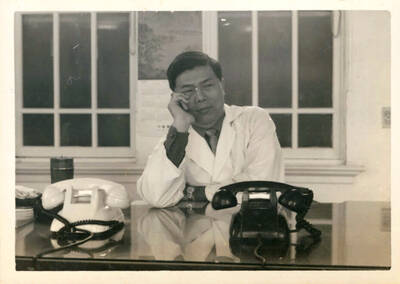
Oct. 12 to Oct. 18 After 11 years in prison on Green Island, Yen Shih-hung (顏世鴻) was finally due for release when a camp guard asked him for NT$20,000 to help pay his bride price. Yen refused. The next day, officials deemed that he had “failed to improve his thinking” and ordered him to undergo further political reeducation on Siaoliouciou (小琉球), where prisoners were also subjected to forced labor. He spent another 19 months there before regaining his freedom in January 1964. Yen’s punishment stemmed from his joining the Taiwan Provincial Student Affairs Committee

Cognitive warfare, says the Ministry of National Defense (MND), is the People’s Republic of China’s (PRC) use of “political, economic, cultural, military and legal means, with the intent to divide internal unity and undermine social stability” in Taiwan. Last week offered several examples. PRC media in October last year reported that the Chongqing Municipal Public Security Bureau had opened an investigation into Democratic Progressive Party (DPP) Legislator Puma Shen (沈伯洋), the DPP’s mayoral candidate for Taipei in next month’s election, for “Taiwan independence” activities. This was a cognitive warfare ploy, designed to unsettle the targeted person and to establish the idea
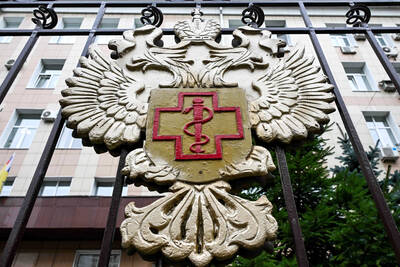
In pandemic preparedness work, scientists like to focus on the technical challenges: identifying pathogens, diagnosing infections, understanding their effects and developing vaccines and treatments. Each step promises progress through human innovation, investment and planning. The WHO, for example, brings experts together to identify and prioritize emerging disease threats and collect the evidence needed to prepare for them. But preparedness depends on more than scientific innovation. As the past week has shown, politics is the elephant in the room in all of this. No one could have predicted we would be talking about pneumonic plague, and that the death of a single


 RSS
RSS