


TV shopping operator Eastern Home Shopping & Leisure Co Ltd (EHS, 東森購物) on Tuesday said it was not worried about the possible withdrawal of five of its shopping channels from Taiwan Optical Platform Co (TOP, 台灣數位光訊) amid the recent collapse of negotiations on listing fees.
“We might lose 500,000 viewers from TOP’s broadcasting systems, but we gained 1.4 million additional viewers earlier this year from a collaboration with Chunghwa Telecom Co’s [CHT, 中華電信] multimedia-on-demand [MOD] service,” EHS, a subsidiary of Eastern Media International (東森國際), said in a statement. “We foresee limited impact on EHS’ operation.”
However, such a withdrawal would affect TOP’s annual revenue by NT$200 million (US$6.57 million), EHS said.
The National Communications Commission’s (NCC) attempt to mediate between the two companies failed on Saturday last week for a second time.
EHS is the nation’s largest TV shopping operator.
Taiwan has a total of eight TV shopping channels and EHS operates five of them, accounting for 62.5 percent market share.
When the two firms were about to renew their annual contract at the end of last year, EHS asked TOP to lower its channel listing fees.
When they failed to reach an agreement on the issue, EHS at the beginning of this year suspended its fee payments.
TOP has accused EHS of using its market position to try to force it to agree to lower its fees by threatening to withdraw from TOP’s broadcasting system.
“EHS’ possible withdrawal opens a window for another TV shopping operator to enter the market, which we believe would make Taiwan’s TV shopping industry healthier,” TOP said in a separate statement on Tuesday.
EHS possible pullout would not affect its financial performance this year, TOP said without elaborating.
It is not the first time that TOP has become embroiled in a long-running commercial dispute.
Eastern Media, which owns a 21.5 percent stake in Eastern Broadcasting Co (EBC, 東森國際), late last year said that it strongly opposed TOP’s plan to purchase of 65 percent stake in EBC for NT$11.12 billion. It questioned TOP’s financial capability and its ownership of adult channels.
Since then, Eastern Media and TOP have traded accusations of using the media to spread misleading information in a bid to influence the government on the EBC share sale.
The Investment Commission on Aug. 22 rejected TOP’s bid for EBC, saying it would expand TOP’s market share and undermine freedom of speech in the nation.
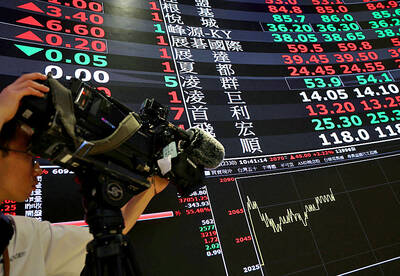
After several years flying high as Asia’s best Nvidia Corp proxy, Taiwan Semiconductor Manufacturing Co (TSMC, 台積電) is increasingly vying with other artificial intelligence (AI) stocks for investor attention. Stock traders are chasing a wider array of beneficiaries as mainstream usage of AI creates demand for hardware beyond the most-advanced chips TSMC makes for Nvidia. Subthemes from the deepening memory crunch to advances in robotics are also luring bids. At the same time, investment caps on single stocks are pushing funds to diversify, while retail investors long familiar with TSMC through its US depositary receipts are being offered a broader set of

TECH RELIANCE: Growth is increasingly reflecting an unequal K-shaped distribution, where technology sectors outperform and other industries struggle, an expert said Standard Chartered Bank has significantly raised its forecast for Taiwan’s economic growth to 9.5 percent this year, up from 7.6 percent previously, citing surging artificial intelligence (AI) demand driving exports, semiconductor production and investment. The upgrade reflects a sustained AI supercycle that continues to fuel demand for advanced chips and technology infrastructure, which form the backbone of Taiwan’s exports, the bank said in a report this week. “We raise our 2026 growth forecast to reflect a much stronger-than-expected first-quarter GDP figure,” Standard Chartered senior economist for greater China and Asia Tommy Wu (胡東安) said in the report. Driven largely by a 35.3 percent
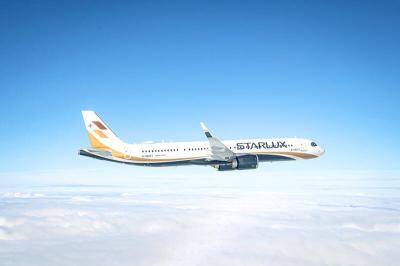
Two of Taiwan’s international carriers, Starlux Airlines Co (星宇航空) and EVA Airways Corp (長榮航空), have retained the five-star airline rating awarded by international airline review organization Skytrax. Starlux was awarded the distinction for a second consecutive year, while EVA Air received it for the 11th straight year, Skytrax said in statements released yesterday and on Thursday last week, respectively. The five-star rating is considered one of the airline industry's highest honors and is awarded following professional audits of airline product and frontline service standards, Skytrax said. The ratings are based on in-depth assessments using unified global quality standards rather than customer review scores
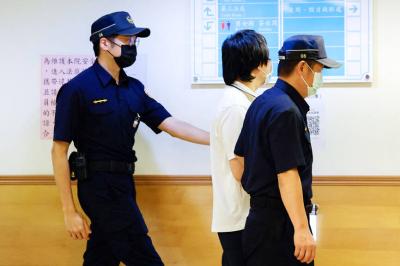
Tokyo Electron's Taiwan unit today said in a written response that it respects the judicial process, takes the court ruling seriously and would not appeal in the Taiwan Semiconductor Manufacturing Co (TSMC, 台積電) trade secrets case. Last month, a court fined the Taiwan unit of Japan's Tokyo Electron NT$150 million (US$4.74 million) in a case involving trade secrets related to TSMC's sensitive chip technology.


 RSS
RSS