


Following several government measures to rein in the real estate market, an academic yesterday urged the public to delay plans to buy a home as prices could soon start reversing.
Chang Chin-oh (張金鶚), land economics professor at National Chengchi University, said the central bank’s recent move to selectively restrict credit would lead soaring property prices to gradually reverse in half a year, with prices seeing a clear downward trend a year from now.
“It is not the best time [for home buyers] to enter the property market now,” Chang told reporters on the sideline of his book launch in Taipei, adding that housing prices were now relatively high.
“If you buy a house now, you’d be trapped [at high price levels],” he said. “Home shoppers should weigh their financial conditions before purchasing a property and should never overspend.”
Rising property prices and a protracted period of low mortgage loan rates as part of the government’s efforts to spur economic activity have created a feeling that interested buyers should make their decision as soon as possible, Chang said.
Chang warned, however, that a heavy mortgage burden could affect homeowners’ quality of life.
The professor called on the government to establish a favorable housing rental environment instead, such as offering rent subsidies for those who cannot afford to buy a house.
Chang attributed the sharp run-up in property prices to short-term real estate speculators rather than an insufficient supply of houses.
“The vacancy rate of houses in Taipei is still high and it is getting worse,” he said, adding that although many houses have been sold, many of them were empty.
“No matter how much the government tries to increase property supply to stop prices from soaring, it wouldn’t solve the problem unless it could restrain the problem of investors speculating on real estate,” he said.
Amid unreasonably high property prices, Chang said it would help the overheating real estate market if fewer people are buying houses.
“An asset bubble is already taking hold,” he said.
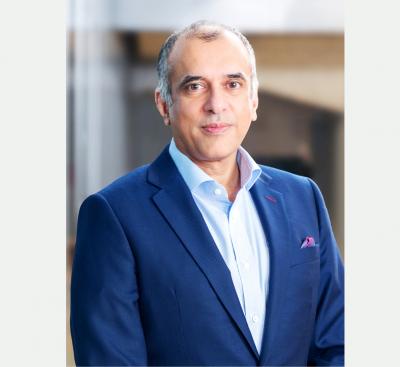
HSBC Holdings PLC is deepening its commitment to Taiwan as the economy emerges as one of the bank’s fastest-growing markets globally, driven by an artificial intelligence (AI) investment boom, expanding cross-border trade, and rising wealth creation. “The advantage that Taiwan has is a growth story linked to the semiconductor and broader AI industries, strong underlying corporate performance, and wealth creation,” said Surendra Rosha, HSBC’s co-chief executive for Asia and the Middle East, in an exclusive interview with the Taipei Times on June 2, during this year’s HSBC Taiwan Conference. That combination has helped HSBC cement its position as the most profitable international
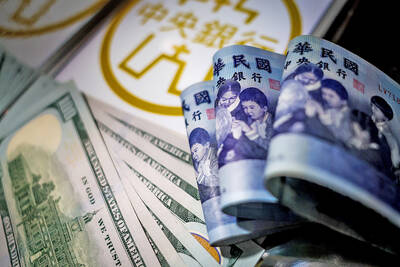
The New Taiwan dollar yesterday fell sharply against the US dollar to close at its lowest level since May 22 amid a massive outflow of funds from the country because of investors panicking over global equity markets. The NT dollar ended at NT$31.580 against the US dollar, slightly lower than its close of NT$31.568 on May 22, after moving between NT$31.5 and NT$31.648 on combined turnover of US$3.062 billion on the Taipei Foreign Exchange and the Cosmos Foreign Exchange. The NT dollar received a significant hit in the morning session, slumping as much as NT$0.173 at a time when other Asian currencies
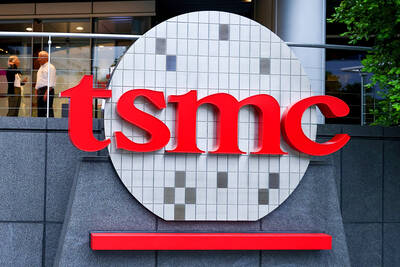
Taiwan Semiconductor Manufacturing Co (TSMC, 台積電) is now ranked ninth among the world’s 100 most valuable companies after its market capitalization more than doubled over the past year, PricewaterhouseCoopers (PwC) Taiwan said in a report last month. TSMC’s market capitalization surged 101 percent year-on-year to US$1.427 trillion as of March 31, the accounting and consulting firm’s 2026 Global Top 100 Companies by Market Capitalization report said. The gain catapulted the world’s largest contract chipmaker from 12th place to ninth in the rankings, and it was the fastest-growing among the global top 10, it said. TSMC was the only Taiwanese company among the top
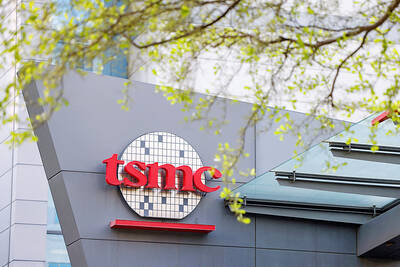
Taiwan Semiconductor Manufacturing Co (TSMC, 台積電) yesterday reported record revenue of NT$416.975 billion (US$13.17 billion) for last month, putting the world’s largest contract chipmaker on track to set a record for quarterly revenue. Last month’s figure surpassed March’s record NT$415.19 billion and represented increases of 1.5 percent from April and 30.1 percent from a year earlier. For the first five months of the year, TSMC generated NT$1.96 trillion in revenue, up 30 percent year-on-year, it said in a statement. TSMC has forecast second-quarter revenue of between US$39 billion and US$40.2 billion, representing sequential growth of about 10 percent and year-on-year growth of about


 RSS
RSS