


Kuwaiti women are angry after the military, having allowed female soldiers in combat roles, decided they need the permission of a male guardian and banned them from carrying weapons.
Women’s rights advocates have decried the policy as “one step forward, two steps back” after the Kuwaiti Ministry of Defense also decided that women in the armed forces, unlike civilians, must wear head coverings.
The moves have sparked an online backlash in Kuwait, usually regarded as one of the most open societies in the Persian Gulf.
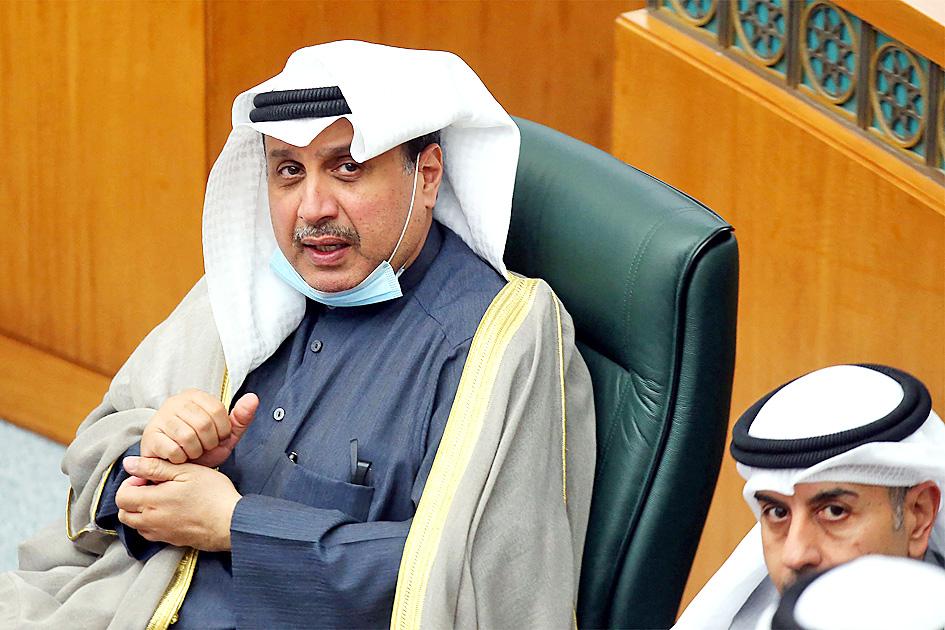
Photo: AFP
“I don’t know why there are these restrictions to join the army,” said Ghadeer al-Khashti, a sports teacher and member of the women’s committee of the Kuwait Football Association. “We have all kinds of women working in all fields, including the police force.”
She said that her mother had helped the resistance when then-Iraqi president Saddam Hussein in 1990 invaded Kuwait and occupied it for seven months before being pushed out by a US-led international coalition.
“My mother during the Iraqi invasion used to hide weapons under her abaya and transport them to members of Kuwait’s resistance, and my father encouraged it,” al-Khashti said.
The ministry decided in October to allow women in combat roles, but then imposed the restrictions after the minister of defense was questioned by conservative lawmaker Hamdan al-Azmi.
Al-Azmi, emboldened by an Islamic religious edict, or fatwa, had said that having women in combat roles “does not fit with a woman’s nature.”
Lulwa Saleh al-Mulla, head of the Kuwaiti Women’s Cultural and Social Society, said the ministry’s restrictions are discriminatory and unconstitutional, and vowed legal action by the organization.
“We have women martyrs who defended their country of their own volition,” she said. “No one ordered them to do that, except for a love of country. We are a Muslim country, that is true, but we demand the laws not be subject to fatwas. Personal freedom is guaranteed in the constitution, on which the country’s laws are based.”
Kuwaiti women earned the right to vote in 2005 and have participated in Cabinet and the Kuwaiti National Assembly, although they are poorly represented in both.
The debate about the army’s new rules for women has taken an irrational turn, said Ibtihal al-Khatib, an English-language professor at Kuwait University.
“The army needs to integrate both women and men without discrimination,” the feminist academic said. “Danger does not differentiate between men and women, and neither does death during battle.”
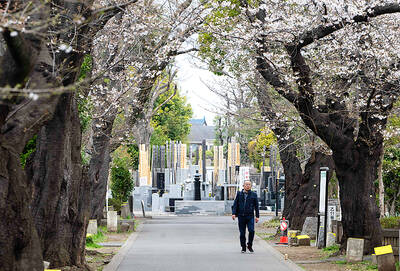
ROCKY RELATIONS: The figures on residents come as Chinese tourist numbers drop following Beijing’s warnings to avoid traveling to Japan The number of Chinese residents in Japan has continued to rise, even as ties between the two countries have become increasingly fractious, data released on Friday showed. As of the end of December last year, the number of Chinese residents had increased by 6.5 percent from the previous year to 930,428. Chinese people accounted for 22.6 percent of all foreign residents in Japan, making them by far the largest group, Japanese Ministry of Justice data showed. Beijing has criticized Tokyo in increasingly strident terms since Japanese Prime Minister Sanae Takaichi last year suggested that a military conflict around Taiwan could
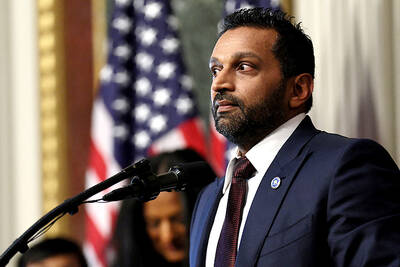
A pro-Iran hacking group claimed to breach FBI Director Kash Patel’s personal e-mail inbox and posted some of the contents online. The e-mails provided by the hacking group include travel details, correspondence with leasing agents in Washington and global entry, and loyalty account numbers. The e-mail address the hackers claim to have compromised has been previously tied to Patel’s personal details, and the leaked e-mails contain photos of Patel and others, in addition to correspondence with family members and colleagues. “The FBI is aware of malicious actors targeting Director Patel’s personal email information,” the agency said in a statement on
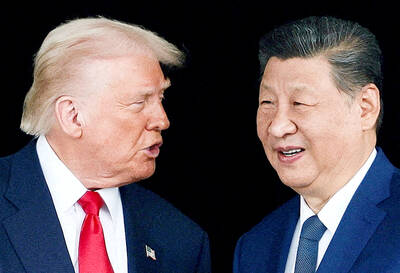
RIVALRY: ‘We know that these are merely symbolic investigations initiated by China, which is in fact the world’s most profligate disrupter of supply chains,’ a US official said China has started a pair of investigations into US trade practices, retaliating against similar probes by US President Donald Trump’s administration as the superpowers stake out positions before an expected presidential summit in May. The move, announced by the Chinese Ministry of Commerce on Friday, is a direct mirror of steps Trump took to revive his tariff agenda after the US Supreme Court last month struck down some of his duties. “China expresses its strong dissatisfaction and firm opposition to these actions,” a ministry spokesperson said in a statement, referring to the so-called Section 301 investigations initiated on March 11.

When a hiker fell from a 55m waterfall in wild New Zealand bush, rescuers were forced to evacuate the badly hurt woman without her dog, which could not be found. After strangers raised thousands of dollars for a search, border collie Molly was flown to safety by a helicopter pilot who was determined to reunite the pet and the owner. A week earlier, an emergency rescue helicopter found the woman with bruises and lacerations after a fall at a rocky spot at the waterfall on the South Island’s West Coast. She was airlifted on March 24, but they were forced to


 RSS
RSS