


TikTok moderators were told to suppress videos from users who appeared too ugly, poor or disabled, as part of the company’s efforts to curate an aspirational air in the videos it promotes, according to new documents published by the Intercept news site.
The documents detail how moderators for the social video app were instructed to select content for the influential “For You” feed, an algorithmic timeline that is most users’ first port of call when they open the app.
As a result, being selected for For You can drive huge numbers of views to a given video, but the selection criteria have always remained a secret, with little understanding as to the amount of automation involved.
TikTok’s moderators were instructed to exclude videos from the For You feed if they failed on any one of a number of categories, the documents show.
Users with an “abnormal body shape (not limited to: dwarf, acromegaly),” who are “chubby ... obese or too thin” or who have “ugly facial looks or facial deformities” should be removed, one document says, since “if the character’s appearance is not good, the video will be much less attractive, not worthing [sic] to be recommended to new users.”
Similarly, the documents show, videos were to be removed from the feed if “the shooting environment is shabby and dilapidated,” since “this kind of environment is ... less fancy and appealing.”
A TikTok spokesperson said the goal was to prevent bullying on the platform, tying the document to a report from December last year that showed that the company was suppressing vulnerable users’ videos in a misguided effort to prevent them from becoming the center of attention that could turn sour.
However, the categories of video suppressed in the latest document are far broader than those revealed in December, nor is any mention of bullying, a discrepancy the company attributes to a local interpretation of the wider policy.
Other documents published by the Intercept show the extent of TikTok’s former rules requiring moderators to enforce Chinese foreign policy overseas.
The site published the firm’s livestreaming policies, which instruct moderators to take down “controversial content” that promotes Taiwanese independence or is “uglification” of history, such as the Tiananmen Square “incidents.”
The language is identical to that used in documents first reported by the Guardian in September last year.
At the time, TikTok said the documents were old, and had been out of use since May that year, but the Intercept cites a source who indicated that the policies “were in use through at least late 2019.”
TikTok said in a statement that “the livestream guidelines in question appear to be largely the same or similar to the guidelines the Guardian already reported on last year, which were removed both before the Guardian’s reporting and also prior to when the Intercept says the document was accessed.”
TikTok, owned by Beijing-based tech unicorn Bytedance Technology, has been trying to separate its international efforts from its Chinese home for at least a year, but many staff, including moderators, are still based in China.

ROCKY RELATIONS: The figures on residents come as Chinese tourist numbers drop following Beijing’s warnings to avoid traveling to Japan The number of Chinese residents in Japan has continued to rise, even as ties between the two countries have become increasingly fractious, data released on Friday showed. As of the end of December last year, the number of Chinese residents had increased by 6.5 percent from the previous year to 930,428. Chinese people accounted for 22.6 percent of all foreign residents in Japan, making them by far the largest group, Japanese Ministry of Justice data showed. Beijing has criticized Tokyo in increasingly strident terms since Japanese Prime Minister Sanae Takaichi last year suggested that a military conflict around Taiwan could
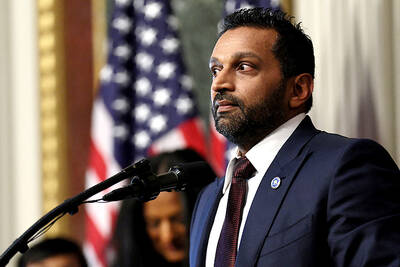
A pro-Iran hacking group claimed to breach FBI Director Kash Patel’s personal e-mail inbox and posted some of the contents online. The e-mails provided by the hacking group include travel details, correspondence with leasing agents in Washington and global entry, and loyalty account numbers. The e-mail address the hackers claim to have compromised has been previously tied to Patel’s personal details, and the leaked e-mails contain photos of Patel and others, in addition to correspondence with family members and colleagues. “The FBI is aware of malicious actors targeting Director Patel’s personal email information,” the agency said in a statement on
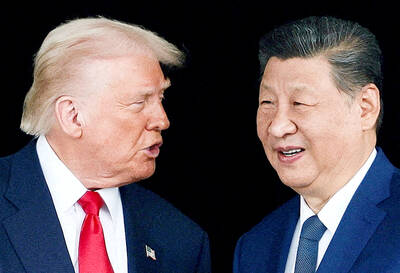
RIVALRY: ‘We know that these are merely symbolic investigations initiated by China, which is in fact the world’s most profligate disrupter of supply chains,’ a US official said China has started a pair of investigations into US trade practices, retaliating against similar probes by US President Donald Trump’s administration as the superpowers stake out positions before an expected presidential summit in May. The move, announced by the Chinese Ministry of Commerce on Friday, is a direct mirror of steps Trump took to revive his tariff agenda after the US Supreme Court last month struck down some of his duties. “China expresses its strong dissatisfaction and firm opposition to these actions,” a ministry spokesperson said in a statement, referring to the so-called Section 301 investigations initiated on March 11.

When a hiker fell from a 55m waterfall in wild New Zealand bush, rescuers were forced to evacuate the badly hurt woman without her dog, which could not be found. After strangers raised thousands of dollars for a search, border collie Molly was flown to safety by a helicopter pilot who was determined to reunite the pet and the owner. A week earlier, an emergency rescue helicopter found the woman with bruises and lacerations after a fall at a rocky spot at the waterfall on the South Island’s West Coast. She was airlifted on March 24, but they were forced to


 RSS
RSS