

Taipei 101 yesterday unveiled a preview of its New Year's Eve fireworks, announcing that celebrations would begin five days early with nightly Disney-themed projection shows.
Chairperson Janet Chia (賈永婕) told reporters that the biggest change this year is an "extended countdown," with characters such as those from Toy Story projected onto the tower each night from Dec. 27 to 31.
She said the six-minute fireworks show would feature low-smoke pyrotechnics imported from Italy and be set to original music composed by young Taiwanese artists.
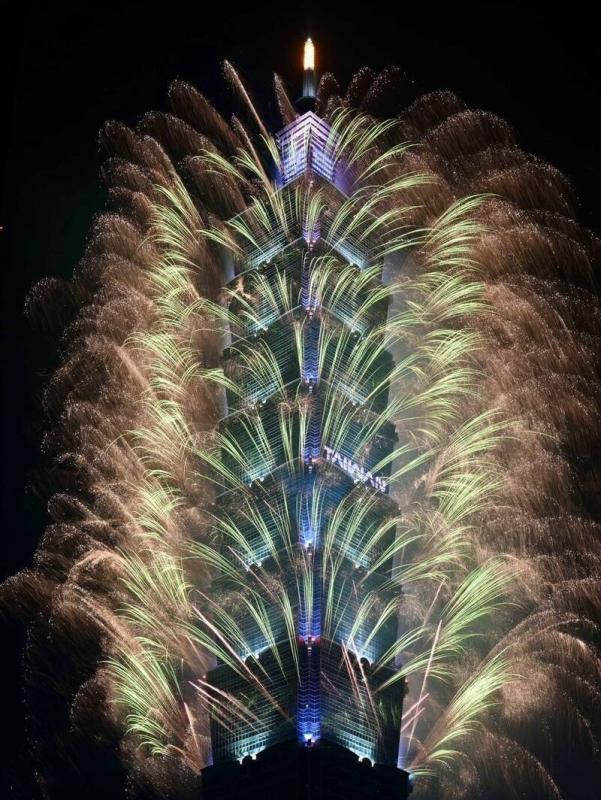
Photo: Tu Chien-jung, Taipei Times
The duration and budget are the same as last year.
Another first is Taipei 101's collaboration with the Taipei Music Center to curate the soundtrack, Chia said.
Award-winning producer Lu Luming (盧律銘) led the process — from selection and training to recording and post-production — highlighting creators under 30.
The fireworks would be best viewed from the north and east parts of Taipei, she added.
On New Year's Eve, a three-minute "Taiwan's Invisible Heroes" light show would also run, paying tribute to unheralded workers who keep society functioning.
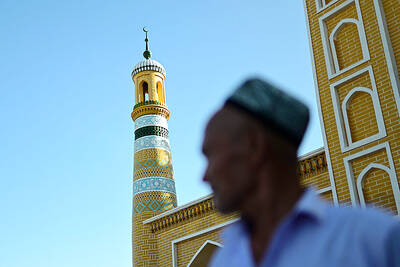
Beijing has been offering subsidized trips to China’s Xinjiang region for Taiwanese teachers as part of efforts to influence teachers and, indirectly, students, a government official said yesterday. With China subsidizing the trips, the teachers only need to pay a NT$4,000 registration fee for an eight-day, seven-night tour that includes accommodation and meals, the official said, speaking on condition of anonymity. Participants risk having their personal information collected and their social networks monitored by Chinese authorities, the official said. Chinese authorities are offering separate summer exchange programs targeting Taiwanese teachers and students, with the student program including study-related activities, they
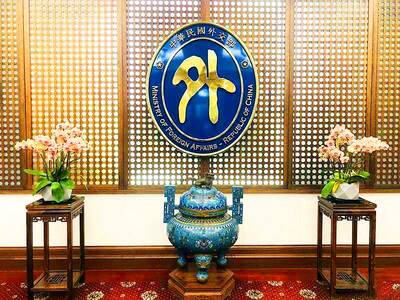
SOUTHBOUND POLICY: Agencies said Thailand, Brunei and the Philippines would benefit from continuation of the program, but Cambodia was rebuffed over rhetoric Conditional visa waiver programs for holders of Thai, Bruneian and Philippine passports are to be extended to July 31 next year to help implement Taiwan’s New Southbound Policy, the Bureau of Consular Affairs said on Friday. The decision was a result of cross-ministry meetings chaired by the Ministry of Foreign Affairs since April 21 for a comprehensive review of the ministry’s visa waiver program for Thai, Brunei and Philippine nationals, the Ministry of the Interior’s Travel Authorization Certificate (TAC), and the Ministry of Transportation and Communication’s Guanhong Project (觀宏專案), also known as the Project for Simplifying Visa Regulations for High-end Group
Taiwan will remove Cambodia from two visa facilitation programs on Aug. 1, while extending eased entry arrangements for Thailand, India and several other Southeast and South Asian countries, the Ministry of Foreign Affairs said Friday. Cambodian nationals will no longer be eligible for the Guanhong Project, which eases visa requirements for certain tour groups, or the Travel Authorization Certificate program, which offers conditional visa-free entry, MOFA said. In a news release, the ministry said Cambodia had failed to reciprocate Taiwan’s goodwill and had instead echoed China in statements undermining Taiwan’s sovereignty. MOFA also accused Cambodia of appearing to support Beijing’s possible use of
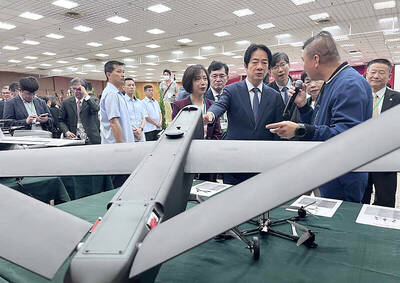
Saudi Arabia bought a record US$47.2 million of drones from Taiwan last month — a sign that the nation’s nascent uncrewed aerial vehicle (UAV) industry is becoming more attractive to buyers. The figure, released by the Ministry of Finance in Taipei last week, was the most in a month for any nation in data going back to June 2023. The Czech Republic has previously been a major buyer. It was unclear how Saudi Arabia intended to use the drones, which weighed an average of 7kg to 15kg. UAVs in that weight category can be used for a range of industrial and military purposes. Su


 RSS
RSS