


Two shipments of dried chili products imported from China totaling 19,930kg were recently intercepted at the border after they were found to contain excessive pesticide residue, the Food and Drug Administration (FDA) said on Tuesday.
A shipment of 3,980kg of dried chili slices and a shipment of 15,950kg of dried chili flakes were found to contain chlormequat — a pesticide used as a plant growth regulator — at concentrations of 0.17 and 0.07 parts per million respectively, exceeding the non-detectable limit, FDA Deputy Director-General Lin Chin-fu (林金富) said.
The products, which were accepted for inspection on April 23, were either destroyed or returned to their country of origin, Lin said.
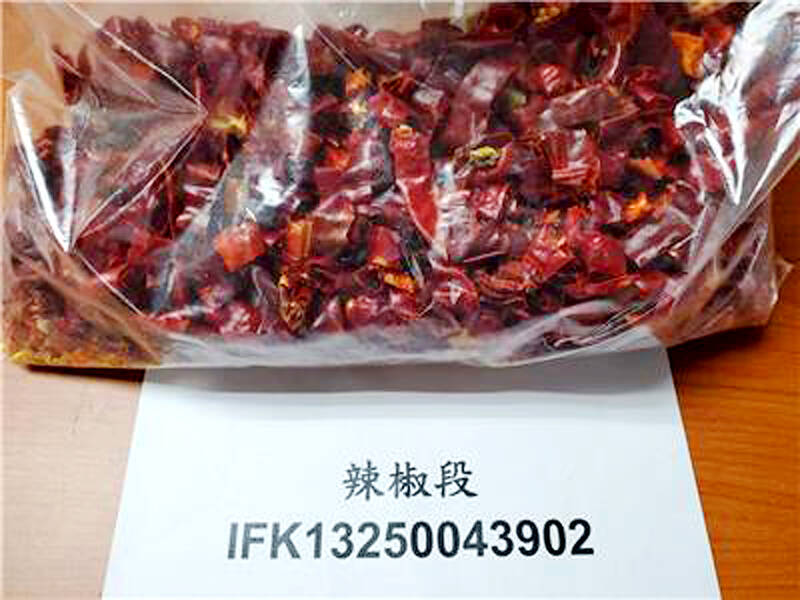
Photo courtesy of the Food and Drug Administration
They were imported from the Chinese company Tianjin Yongsheng Agricultural Product First Making Co by Sin Chon Food Co in Yunlin County, information provided by the FDA showed.
From Nov. 6 last year to Monday last week, 120 shipments of chili powder-related products imported from China were inspected at the border.
Twenty-four of the shipments failed food safety tests, mainly due to the presence of Sudan dyes and the pesticides chlormequat and clothianidin, Lin said.
Chili-related products, regardless of their country of origin, are subject to shipment-by-shipment border inspections until March 5 next year, he said.
The measure was implemented following incidents in February and March in which products containing Chinese chili powder contaminated with Sudan red dyes.
In addition to the latest shipments of contaminated dried chili products, 16 other food and drink shipments were intercepted at the border, the FDA said.
They included five shipments of Spanish alcohol-free wine with the brand name “Bodega Win,” which tested positive for sulfur dioxide, a bleaching agent prohibited from being used in drinks, and two shipments of fresh broccoli from Vietnam that were found to contain excessive amounts of the pesticide flonicamid.
A shipment of durian ice cream imported from Singapore was also seized due to a high bacterial count, the FDA said.
The ice cream was found to have a concentration of 21,000 colony-forming units per gram (cfu/g) of Enterobacteriaceae — a family of bacteria, some of which can cause illness — exceeding the limit of 10cfu/g, it said.
The 1,296kg shipment was believed to have been contaminated because of substandard hygiene standards during the manufacturing process, Lin said.
People with relatively weak gastrointestinal systems might experience symptoms after consuming the ice cream, he said.
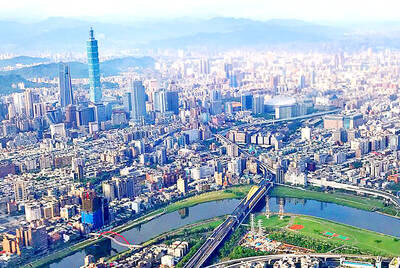
Taipei has once again made it to the top 100 in Oxford Economics’ Global Cities Index 2025 report, moving up five places from last year to 60. The annual index, which was published last month, evaluated 1,000 of the most populated metropolises based on five indices — economics, human capital, quality of life, environment and governance. New York maintained its top spot this year, placing first in the economics index thanks to the strength of its vibrant financial industry and economic stability. Taipei ranked 263rd in economics, 44th in human capital, 15th in quality of life, 284th for environment and 75th in governance,

The Sports Administration yesterday demanded an apology from the national table tennis association for barring 17-year-old Yeh Yi-tian (葉伊恬) from competing in the upcoming World Table Tennis (WTT) United States Smash tournament in Las Vegas this July. The sports agency said in a statement that the Chinese Taipei Table Tennis Association (CTTTA) must explain to the public why it withdrew Yeh from the WTT tournament in Las Vegas. The sports agency said it contacted the association to express its disapproval of the decision-making process after receiving a complaint from Yeh’s coach, Chuang
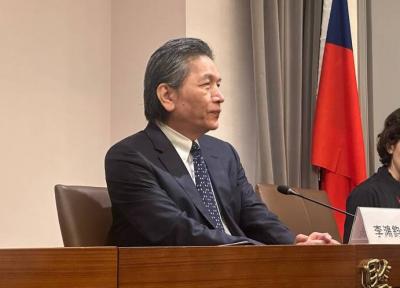
Control Yuan Secretary-General Lee Chun-yi (李俊俋) tendered his resignation last night, admitting that he had misused a government vehicle, as reported by media. His resignation was immediately accepted by the Control Yuan. In a statement explaining why he had resigned, Lee apologized for using a Control Yuan vehicle to transport his dog to a pet grooming salon on May 20. The issue first came to light late last month, when TVBS News reported that Lee had instructed his driver to take the dog to the salon. The news channel broadcast photos that it said were taken by an unnamed whistle-blower, which purportedly showed the
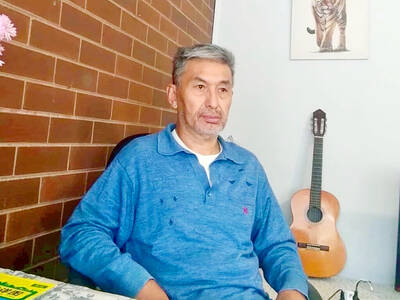
A former officer in China’s People’s Liberation Army (PLA) who witnessed the aftermath of the 1989 Tiananmen Square massacre has warned that Taiwan could face a similar fate if China attempts to unify the country by force. Li Xiaoming (李曉明), who was deployed to Beijing as a junior officer during the crackdown, said Taiwanese people should study the massacre carefully, because it offers a glimpse of what Beijing is willing to do to suppress dissent. “What happened in Tiananmen Square could happen in Taiwan too,” Li told CNA in a May 22 interview, ahead of the massacre’s 36th anniversary. “If Taiwanese students or


 RSS
RSS