


The Food and Drug Administration (FDA) said that as of yesterday, it had received 58 reports of suspected adverse reactions after taking supplements produced by Japanese drugmaker Kobayashi Pharmaceutical Co that contained red yeast rice, but its investigation of 54 cases had found no link between consumption of the products and suspected illnesses.
Japanese authorities last month ordered Kobayashi to recall three dietary supplements containing red yeast rice, or beni-koji,” after they were linked to deaths and hospitalizations.
Kobayashi said that as of Thursday last week, the number of deaths suspected to be linked to ingestion of the supplement remained at five, while 240 people had been hospitalized, and 1,434 people were seeing or hoping to see a doctor, the Japan Times reported on Saturday last week.
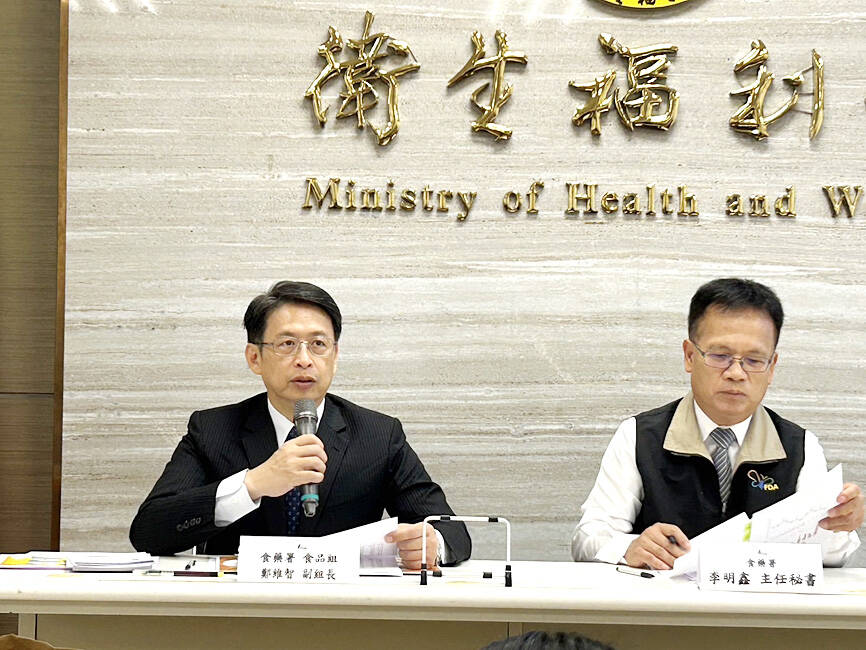
Photo: CNA
The company has received 88,000 inquiries about health damage from the supplements, it added.
Although none of the Kobayashi products recalled in Japan had been imported into Taiwan, two Taiwanese companies had imported 56 batches of red yeast rice ingredients from Kobayashi from Jan. 1, 2022, to March 22 this year, the FDA said earlier.
The two companies began pre-emptively recalling products containing the red yeast rice ingredient after reports of the deaths in Japan.
As of yesterday, 58 people in Taiwan had reported having adverse reactions after taking Kobayashi supplements containing red yeast rice, FDA Food Safety Division Deputy Director Cheng Wei-chih (鄭維智) said.
Some of the 58 said they had bought the products —which were later recalled — in Japan, while others said they had consumed local products containing Kobayashi’s red yeast rice ingredient, Cheng said.
Most of the consumers experienced impaired renal function, including reduced estimated glomerular filtration rate and tea-
colored or foamy urine, he said.
The FDA on Friday last week held a meeting to discuss 54 of the cases, with the experts concluding that they “could not yet determine the causation” based on the information available, he said.
The FDA will pass the information it has to the Executive Yuan’s Consumer Protection Committee to help it deal with consumer disputes, Cheng said.
People who purchased products containing Kobayashi’s red yeast rice are advised to first contact the companies to ask for a refund for refund, and if the issue cannot be settled, they can file a complaint with the Consumer Protection Committee, the Consumers’ Foundation or the Consumer Protection Association in Taiwan, he said.
In other news, with several cases of norovirus cluster infections being reported, the FDA warned that noroviruses are very contagious and primarily transmitted through the fecal-oral route.
People are advised to practice good personal hygiene, including washing their hands with soap before meals and after using the toilet, it said.
People should avoid eating undercooked food, especially raw or undercooked shellfish or seafood products harvested from contaminated waters, it said, adding that people should keep their environment clean.

Taipei has once again made it to the top 100 in Oxford Economics’ Global Cities Index 2025 report, moving up five places from last year to 60. The annual index, which was published last month, evaluated 1,000 of the most populated metropolises based on five indices — economics, human capital, quality of life, environment and governance. New York maintained its top spot this year, placing first in the economics index thanks to the strength of its vibrant financial industry and economic stability. Taipei ranked 263rd in economics, 44th in human capital, 15th in quality of life, 284th for environment and 75th in governance,

The Sports Administration yesterday demanded an apology from the national table tennis association for barring 17-year-old Yeh Yi-tian (葉伊恬) from competing in the upcoming World Table Tennis (WTT) United States Smash tournament in Las Vegas this July. The sports agency said in a statement that the Chinese Taipei Table Tennis Association (CTTTA) must explain to the public why it withdrew Yeh from the WTT tournament in Las Vegas. The sports agency said it contacted the association to express its disapproval of the decision-making process after receiving a complaint from Yeh’s coach, Chuang
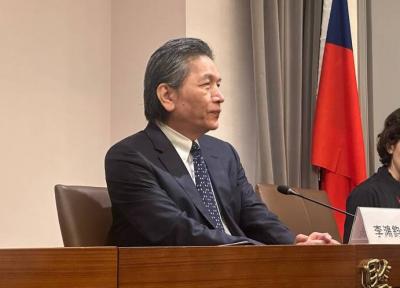
Control Yuan Secretary-General Lee Chun-yi (李俊俋) tendered his resignation last night, admitting that he had misused a government vehicle, as reported by media. His resignation was immediately accepted by the Control Yuan. In a statement explaining why he had resigned, Lee apologized for using a Control Yuan vehicle to transport his dog to a pet grooming salon on May 20. The issue first came to light late last month, when TVBS News reported that Lee had instructed his driver to take the dog to the salon. The news channel broadcast photos that it said were taken by an unnamed whistle-blower, which purportedly showed the
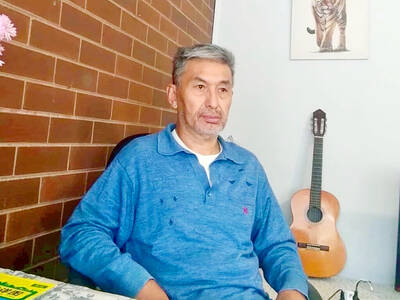
A former officer in China’s People’s Liberation Army (PLA) who witnessed the aftermath of the 1989 Tiananmen Square massacre has warned that Taiwan could face a similar fate if China attempts to unify the country by force. Li Xiaoming (李曉明), who was deployed to Beijing as a junior officer during the crackdown, said Taiwanese people should study the massacre carefully, because it offers a glimpse of what Beijing is willing to do to suppress dissent. “What happened in Tiananmen Square could happen in Taiwan too,” Li told CNA in a May 22 interview, ahead of the massacre’s 36th anniversary. “If Taiwanese students or


 RSS
RSS