


Fares for taxi rides in Taipei and New Taipei City are set to increase for a 10-day period during the Lunar New Year holiday next month, the New Taipei City government yesterday said.
Starting at midnight on Feb. 5 until 11:59pm on Feb. 14, taxi passengers in Taipei, New Taipei and Keelung wpi;d pay an additional NT$30 per ride, New Taipei’s Transportation Department said.
With the exception of three routes in Wulai District (烏來) and four in Ruifang District (瑞芳), where fixed rates apply, fares for all rides would be calculated based on the meter.
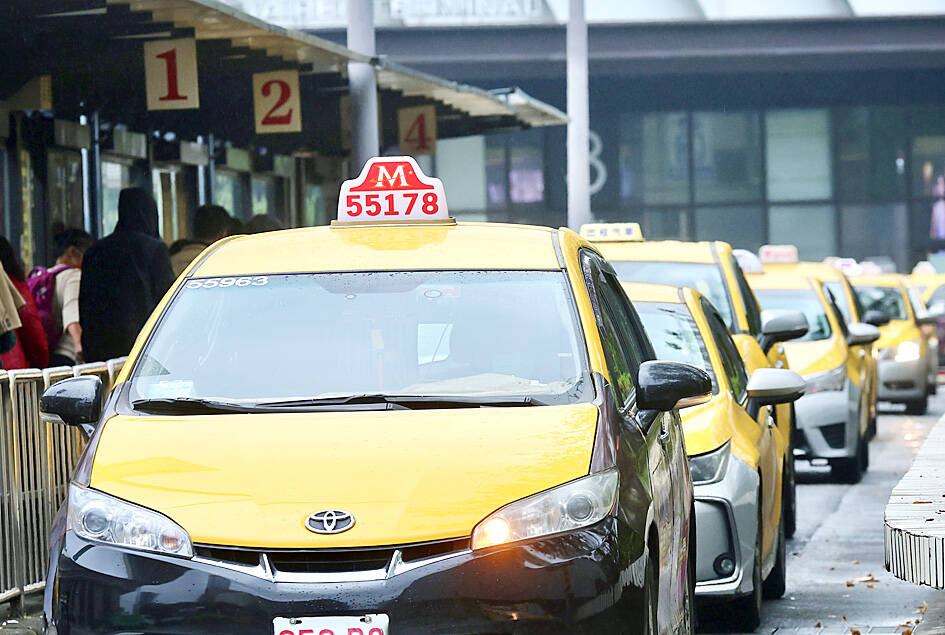
Photo: CNA
For rides between central Wulai (Lansheng Bridge or the main parking garage) and the Wulai Cable Car Station, Neidong Forest Recreation Area and MRT Xindian Station, the fixed fares would be NT$340, NT$510 and NT$830 respectively.
Those fares are normally NT$285, NT$425 and NT $695.
Similarly, passengers taking a taxi between Rueifang Train Station and Jiufen (九份), Jinguashi (金瓜石), Shifenliao (十分寮) or Shuangsi (雙溪) would be charged NT$260, NT$340, NT$670 and NT$830 respectively, up from NT$220, NT$285, NT$560 and NT$695 outside the Lunar New Year holiday.
Those using taxis late at night (11pm to 6am) would be asked to pay an additional NT$20 fare per ride (both by the meter and for fixed fare rides) during the Lunar New Year holiday.
National freeway tolls would also be subject to the price increase, the department said.
No other supplementary fares would be allowed, the department said, and it urged passengers to request printed receipts displaying the journey’s meter readings.
If passengers feel they have been overcharged, they should note the taxi’s license plate and the time and location of the ride, and file a complaint by dialing 1999 or sending an email to https://service.ntpc.gov.tw/contact/Index.action.
The department said unlicensed drivers or those who do not charge the fare shown on the meter could face fines of NT$9,000 to NT$90,000.
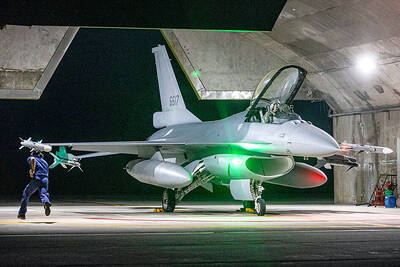
Taiwan has received more than US$70 million in royalties as of the end of last year from developing the F-16V jet as countries worldwide purchase or upgrade to this popular model, government and military officials said on Saturday. Taiwan funded the development of the F-16V jet and ended up the sole investor as other countries withdrew from the program. Now the F-16V is increasingly popular and countries must pay Taiwan a percentage in royalties when they purchase new F-16V aircraft or upgrade older F-16 models. The next five years are expected to be the peak for these royalties, with Taiwan potentially earning
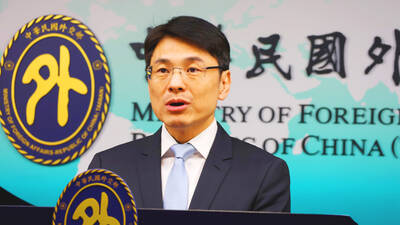
STAY IN YOUR LANE: As the US and Israel attack Iran, the ministry has warned China not to overstep by including Taiwanese citizens in its evacuation orders The Ministry of Foreign Affairs (MOFA) yesterday rebuked a statement by China’s embassy in Israel that it would evacuate Taiwanese holders of Chinese travel documents from Israel amid the latter’s escalating conflict with Iran. Tensions have risen across the Middle East in the wake of US and Israeli airstrikes on Iran beginning Saturday. China subsequently issued an evacuation notice for its citizens. In a news release, the Chinese embassy in Israel said holders of “Taiwan compatriot permits (台胞證)” issued to Taiwanese nationals by Chinese authorities for travel to China — could register for evacuation to Egypt. In Taipei, the ministry yesterday said Taiwan
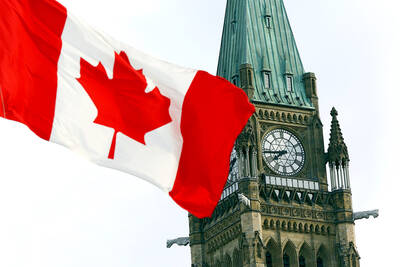
‘LIKE-MINDED PARTNER’: Tako van Popta said it would be inappropriate to delay signing the deal with Taiwan because of China, adding he would promote the issue Canadian senators have stressed Taiwan’s importance for international trade and expressed enthusiasm for ensuring the Taiwan-Canada trade cooperation framework agreement is implemented this year. Representative to Canada Harry Tseng (曾厚仁) in an interview with the Central News Agency (CNA) said he was increasingly uneasy about Ottawa’s delays in signing the agreement, especially as Ottawa has warmed toward Beijing. There are “no negotiations left. Not only [is it] initialed, we have three versions of the text ready: English, French and Mandarin,” Tseng said. “That tells you how close we are to the final signature.” Tseng said that he hoped Canadian Prime Minister Mark Carney
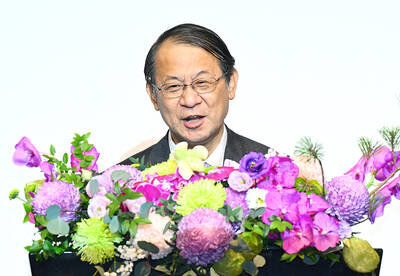
POSITIVE DEVELOPMENT: Japan and the US are expected to hold in-depth discussions on Taiwan-related issues during the meeting next month, Japanese sources said The holding of a Japan-US leaders’ meeting ahead of US President Donald Trump’s visit to China is positive news for Taiwan, former Japan-Taiwan Exchange Association representative Hiroyasu Izumi said yesterday. After the Liberal Democratic Party’s landslide victory in Japan’s House of Representatives election, Japanese Prime Minister Sanae Takaichi is scheduled to visit the US next month, where she is to meet with Trump ahead of the US president’s planned visit to China from March 31 to April 2 for a meeting with Chinese President Xi Jinping (習近平). Japan and the US are expected to hold in-depth discussions on Taiwan-related issues during the


 RSS
RSS