


The Food and Drug Administration (FDA) is investigating which parties are responsible for the falsification of country of origin documents for rose tea ingredients used by tea chain Stornaway (英國藍) that were found to be laced with pesticides.
Dubbed the “poison of the century,” dichloro-diphenyl-trichloroethane (DDT), can enter the human body via contaminated food, water and air, and can cause chronic effects on the nervous system, causing excitability, tremors and seizures.
Some research has also associated the pesticide, which has been banned by many countries, including Taiwan, since the 1970s, with increased risks of breast cancer.
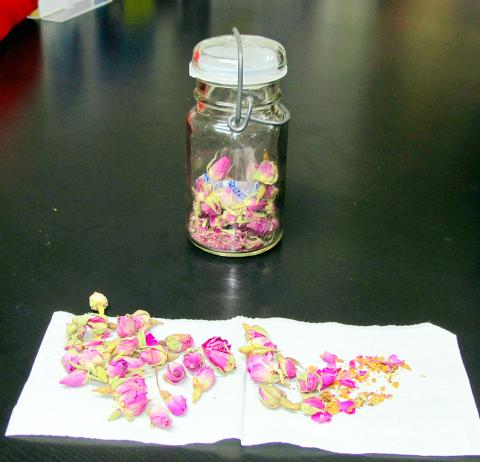
Photo: CNA
A preliminary investigation by the agency showed that Stornaway purchased the tainted ingredients from Taipei-based Chou Chieh Trading Co (洲界貿易), which procured the products from its supplier, Kaohsiung-based Yuen Yeeh Enterprise Co (原宜貿易), FDA Director-General Chiang Yu-mei (姜郁美) said.
Chiang said customs documents showed that Yuen Yeeh imported a batch of rose buds weighing 4,500kg from Iran on Aug. 7 last year, 80kg of which was sold to Stornaway and the rest to Chinese medicinal shops, according to Chou Chieh.
FDA Southern Center deputy director Liu Fang-ming (劉芳銘) said that because the ingredients were falsely labeled as being from Germany, the agency has instructed health authorities to ascertain whether it was Chou Chieh or Yuen Yeeh that tampered with the country of origin label.
The case was first brought to light by the Miaoli County Government’s Public Health Bureau on Tuesday after it found 11 kinds of pesticides, including DDT, in a sample of rose buds it collected from one of Stornaway’s 96 branches in the county last month.
The test was conducted in response to an anonymous complaint filed by a customer who felt sick after drinking a cup of rose iced tea purchased from the store.
All the potentially problematic ingredients, weighing 70kg in total, had been recalled and confiscated before April 7, Taipei City Department of Health said in a press release yesterday, adding that none of the Stornaway’s 26 branches in the city were still selling rose iced tea.
The FDA said individuals found lacing food products with excessive levels of pesticides can be fined between NT$60,000 and NT$200 million (US$1,915 and US$6.38 million), while the act of falsifying food labels is punishable by a maximum fine of NT$4 million.

Taipei has once again made it to the top 100 in Oxford Economics’ Global Cities Index 2025 report, moving up five places from last year to 60. The annual index, which was published last month, evaluated 1,000 of the most populated metropolises based on five indices — economics, human capital, quality of life, environment and governance. New York maintained its top spot this year, placing first in the economics index thanks to the strength of its vibrant financial industry and economic stability. Taipei ranked 263rd in economics, 44th in human capital, 15th in quality of life, 284th for environment and 75th in governance,

The Sports Administration yesterday demanded an apology from the national table tennis association for barring 17-year-old Yeh Yi-tian (葉伊恬) from competing in the upcoming World Table Tennis (WTT) United States Smash tournament in Las Vegas this July. The sports agency said in a statement that the Chinese Taipei Table Tennis Association (CTTTA) must explain to the public why it withdrew Yeh from the WTT tournament in Las Vegas. The sports agency said it contacted the association to express its disapproval of the decision-making process after receiving a complaint from Yeh’s coach, Chuang
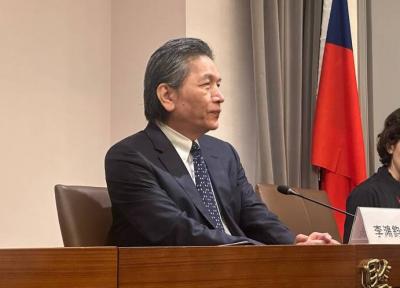
Control Yuan Secretary-General Lee Chun-yi (李俊俋) tendered his resignation last night, admitting that he had misused a government vehicle, as reported by media. His resignation was immediately accepted by the Control Yuan. In a statement explaining why he had resigned, Lee apologized for using a Control Yuan vehicle to transport his dog to a pet grooming salon on May 20. The issue first came to light late last month, when TVBS News reported that Lee had instructed his driver to take the dog to the salon. The news channel broadcast photos that it said were taken by an unnamed whistle-blower, which purportedly showed the
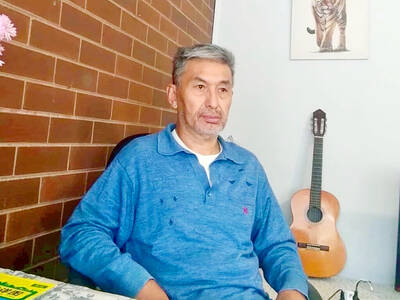
A former officer in China’s People’s Liberation Army (PLA) who witnessed the aftermath of the 1989 Tiananmen Square massacre has warned that Taiwan could face a similar fate if China attempts to unify the country by force. Li Xiaoming (李曉明), who was deployed to Beijing as a junior officer during the crackdown, said Taiwanese people should study the massacre carefully, because it offers a glimpse of what Beijing is willing to do to suppress dissent. “What happened in Tiananmen Square could happen in Taiwan too,” Li told CNA in a May 22 interview, ahead of the massacre’s 36th anniversary. “If Taiwanese students or


 RSS
RSS