


Bases loaded, one out, full count and Justin Verlander knows exactly what pitch he wants to throw.
Starting this month, he can call it himself.
In yet another nod to new technology, the MLB is to permit pitchers in spring training to wear wristbands that would let them signal to the catcher what is coming next.
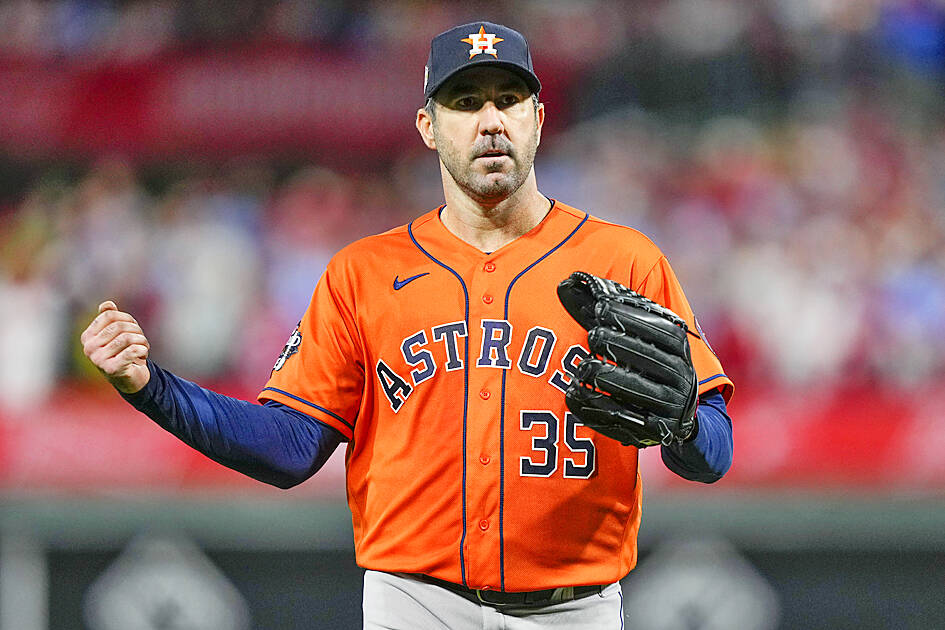
Photo: AP
The experiment is to begin on Feb. 24 when exhibition play opens with games between the Seattle Mariners and the San Diego Padres and between the Texas Rangers and the Kansas City Royals in the Cactus League.
It is an extension of the PitchCom system that MLB teams were allowed to employ last season, when catchers could push buttons on their wristbands to call for fastballs, curves, changeups and anything else they wanted, along with the location.
The pitcher would then hear the result on an earpiece inside his hat.
Now, pitchers can make the calls themselves.
The MLB is to evaluate how things go and then decide whether to approve it for the regular season, MLB executive vice president Morgan Sword said on Thursday.
Worries over clubs stealing catchers’ signals — either by alert opponents or illicit electronic schemes — prompted the rise of the PitchCom system. Some teams and pitcher/catcher batteries immediately embraced the new method. Others were more hesitant.
As the season went on, and boosted by tweaks to the tech aspects, more clubs became comfortable with putting it in play.
Along with the pitcher, usually the shortstop and second baseman had earpieces so they knew what was coming.
Catchers often wore earpieces, too, so they could hear audio confirmation of what pitch they called.
Over the years, there have been plenty of baseball stories about pitchers calling their own games, working out a set of hidden signals with catchers.
In a few weeks, there will no need for secrecy — pitchers can make their calls out in the open, right on the mound.

A runner who stopped during a marathon in China to pose doing the splits and another who hoarded energy gels have been banned for two years, the local athletics association said yesterday. The incidents happened during Sunday’s marathon in Sichuan Province’s Chengdu and were widely shared online. Videos showed a female runner stopping suddenly and dropping to the ground in the splits position, holding up her arms in a heart shape as she apparently posed for a photograph. She “committed obstructive fouls during the race, affecting the safe participation of other runners,” the Sichuan Athletics Association said in a statement, which identified
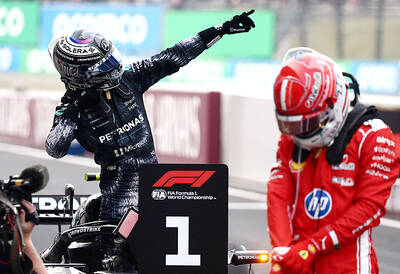
Mercedes’ Kimi Antonelli yesterday vowed to “keep raising the bar” after winning the Japanese Grand Prix to become the youngest driver in Formula One history to lead the championship standings. The 19-year-old Italian took advantage of a mid-race safety car to jump into the lead after a dreadful start from pole position, crossing the line ahead of McLaren’s Oscar Piastri and Ferrari’s Charles Leclerc. Antonelli’s Suzuka victory came two weeks after the first grand prix win of his career in China, and sent him top of the championship standings after three races, nine points ahead of team-mate George Russell. Mercedes are struggling to

Teng Kai-wei, the only Taiwanese player on an opening-day roster in this year’s Major League Baseball (MLB) season, took his first win of the year with the Houston Astros in his season debut. Teng entered in relief in the top of the fifth inning against the Los Angeles Angels on Saturday, with the Astros trailing 5-0. He pitched 2-1/3 scoreless innings with two strikeouts, as Houston scored 11 runs during his outing to snatch an 11-9 comeback victory. The win is the Astros’ first of the season and the third of Teng’s MLB career. “It’s my first time pitching for the Astros, so
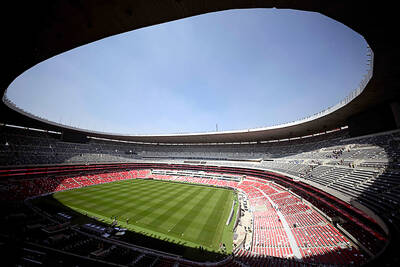
Workers are hammering, cranes are swinging and seats are being bolted into place — but the clock is ticking. Mexico City’s famous Azteca stadium, reborn as Estadio Banorte, is in a frantic race to be ready for its grand reopening on Saturday. Drone footage showed crews installing seats and attaching the new stadium name to the facade, with cranes looming overhead 48 hours before the gates are due to open for a high-profile friendly between Mexico and Portugal. For residents, the breakneck pace of construction has done little to inspire confidence. “I know they are working practically seven days a week, 24 hours


 RSS
RSS