


In June, headlines shocked the art world when a visitor damaged a 17th-century painting at the Uffizi Galleries in Florence, Italy, while posing for a photograph. This was not an isolated event. Recently, similar disasters have been reported worldwide, from a child damaging a Mark Rothko painting to a tourist breaking an exhibit by pretending to sit on it. Such incidents highlight why museum etiquette is increasingly crucial.
First, we must recognize that art and historical objects are fragile. Once damaged, they may never regain their original condition. Many common actions, though harmless at first glance, can have grave consequences. For instance, touching artwork leaves fingerprints and oils that gradually deteriorate surfaces. Furthermore, flash photography accelerates the fading of pigments and textiles. Large equipment such as tripods or selfie sticks may bump into exhibits and cause accidents. Each of these actions not only harms the displays but also diminishes the experience for others.
Given these concerns, here are some recommendations for responsible museum visits. Before entering, deposit large bags in lockers to avoid accidental contact with items. Always consult and follow photography policies — some museums prohibit pictures altogether. Once inside, maintain a respectful distance from exhibits; typically, arm’s length is best. Since sound travels easily in exhibition halls, use phones and audio guides quietly and speak in soft tones. Finally, never consume food or drinks in exhibition areas, as spills and crumbs can contaminate displays and attract pests.
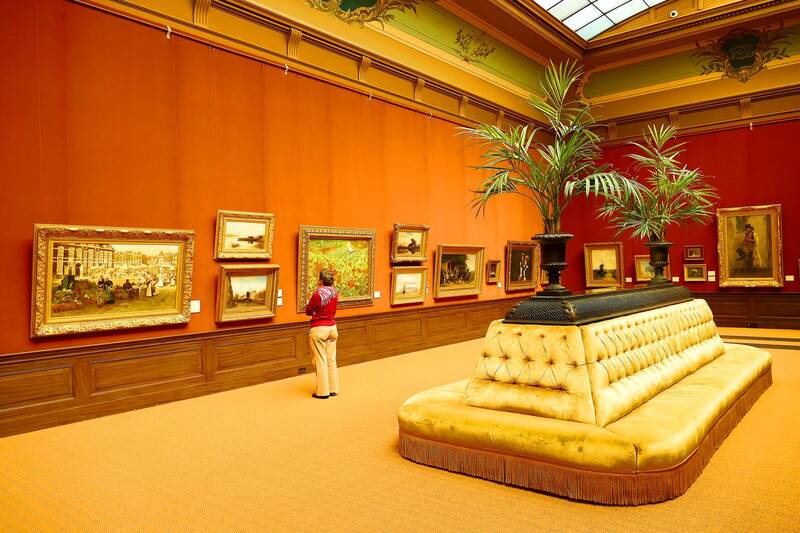
Photo: Freepik 照片:Freepik
Unfortunately, as we’ve seen from recent incidents, these basic rules are sometimes ignored in the rush to document museum visits. That’s why we must all act responsibly. Remind friends if they overlook a rule and notify staff if you witness inappropriate behavior. By practicing thoughtful etiquette, we ensure these treasures are preserved for future generations to appreciate.
今年六月,一名參觀者在義大利佛羅倫斯的烏菲茲美術館擺姿勢拍照時,損壞了一幅西元 17 世紀的畫作,這則頭條新聞震驚了整個藝術界。這並非個案。最近,世界各地均傳出類似災情,從孩童破壞馬克羅斯科的畫作到遊客假裝坐在展品上而導致其破損。這類事件凸顯出博物館禮儀日益重要的原因。
首先,我們必須認知到藝術品與歷史文物非常脆弱。一旦受損,它們可能永遠無法恢復原狀。許多司空見慣的行為,雖然乍看之下無傷大雅,卻可能造成嚴重後果。例如,觸摸藝術品留下的指紋與油脂會逐漸損壞其表面。此外,閃光燈攝影會加速顏料與織品的褪色。像腳架或自拍棒等大型器材也可能碰撞展品並釀成意外。這些行為不只損壞展品也會降低他人的觀展體驗。
基於這些顧慮,以下是一些妥善參觀博物館的建議。入館前,請將大型包包寄放在置物櫃以避免不慎碰觸展品。務必查閱並遵守攝影規定——有些博物館是完全禁止拍照的。入館後,請與展品保持一定距離以示尊重;一般來說,以一隻手臂的長度為宜。由於聲音在展廳內容易擴散,請安靜地使用手機與語音導覽器並輕聲細語。最後,切勿在展區內飲食,因為飲料灑出或食物碎屑可能汙染展品並引來害蟲。
遺憾的是,從近期發生的事件可以看出,這些基本規則有時在趕著拍照記錄博物館參觀的過程中被忽視。這也是為何我們每個人都必須負責任地行事。當朋友忽略規則時要善意提醒,若目睹不當行為則應立即通知工作人員。透過實踐良好的參觀禮儀,我們才能確保這些珍寶得以保存下來並讓後代子孫也能一窺其風采。
MORE INFORMATION
etiquette n. 禮儀;禮節
Mark Rothko 馬克羅斯科(俄裔美國畫家,以其巨幅、充滿光感的色塊抽象畫最為知名)
pigment n. 顏料
textile n. 紡織品
tripod n.(相機的)三腳架
selfie n. 自拍
locker n. 置物櫃
crumb n. 食物碎屑
KEY VOCABULARY
1. gallery n.(藝術)展覽館;畫廊
You should come to the gallery with me and see the interesting art there.
你應該和我一起去畫廊看看那裡有趣的藝術品。
2. incident n. 事件;事故
There was an incident in the kitchen today when the stove caught fire.
今天廚房裡發生一起事故,爐子著了火。
3. photography n. 攝影
Evan is really into nature photography; that’s why he goes hiking with his camera almost every weekend.
伊凡非常熱衷於大自然攝影;那就是為什麼他幾乎每個週末都帶著他的相機去健行。
4. prohibit vt. 禁止;阻止
We used to prohibit employees from listening to music as they worked, but it’s now permitted.
我們過去禁止員工在工作時聽音樂,但現在允許了。
5. respectful adj. 表示尊重的;恭敬的
It is respectful to cover your shoulders when you enter this temple.
在進入這間寺廟的時候,你要遮住肩膀表示尊敬。
6. audio adj. 聲音的;錄音的;聽覺的
audio guide 語音導覽
Dave adjusted the audio settings to make the music sound clearer through his speakers.
戴夫調整了音訊設定,讓音樂透過喇叭聽起來更清晰。
7. contaminate vt. 汙染;毒害
The chemicals from the factory contaminated the river water.
這座工廠的化學製品汙染了河水。
8. notify vt. 通知;告知
Please notify the teacher if you are going to be absent from class tomorrow.
如果你明天要缺課,請通知老師。
9. inappropriate adj. 不適合的
Sharing someone’s personal information without permission is completely inappropriate.
未經同意分享他人個資是非常不恰當的。
學習音檔: https://magazine.english4u.net/Magdata/menu/xon2u
《空中美語》雜誌APP免費下載: https://www.english4u.net/apps/index.aspx
免費收聽當月《空中美語》雜誌課文朗讀及解析 !
文章由AMC空中美語授權使用: https://www.english4u.net
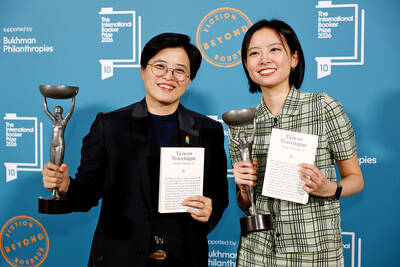
Taiwan Travelogue, the novel by Taiwanese author Yang Shuang-zi and translated into English by Lin King, won the prestigious International Booker Prize in London on May 19. It marks the first time a Taiwanese literary work has received the International Booker Prize, setting a historic milestone both for Taiwanese literature and for the award itself. Prior to this achievement, Taiwan had only once appeared on the Booker radar, when Taiwanese author Wu Ming-yi was longlisted for the Booker Prize in 2018 with The Stolen Bicycle. The International Booker Prize honors works of fiction translated into English and published in the UK or Ireland.

A: Time magazine recently released its list of “The 100 Most Influential People of 2026.” It’s categorized into six groups: Artists, Pioneers, Titans, Icons, Leaders and Innovators. B: TSMC chairman C.C. Wei made the list this year. Which category is he in? A: Wei is actually among the Pioneers, with figures including Disney CEO Josh D’Amaro and MrBeast — the first YouTuber ever to surpass 400 million subscribers. B: Led by Wei, Taiwan’s “silicon shield” TSMC is the sixth-largest company in the world. A: As Nvidia founder Jensen Huang wrote in his introduction, “C.C. Wei is truly one of the
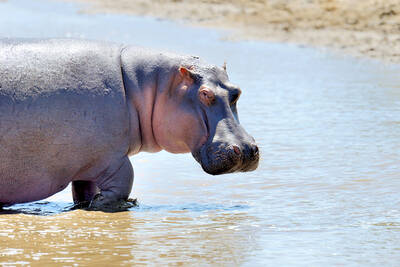
The animal kingdom is full of surprises that challenge our understanding of biology. From remarkable feeding mechanisms to extreme defense strategies, some creatures possess traits so unusual that they seem like pure fiction. Here are four fascinating examples that show nature’s endless creativity. The humble snail may appear simple, but its mouth tells a different story. Snails possess a ribbon-like tongue called a radula, densely covered with anywhere from 1,000 to 12,000 tiny teeth. This structure works like a cheese grater, allowing them to scrape and grind food with surprising efficiency. Far from being passive creatures, snails are actually
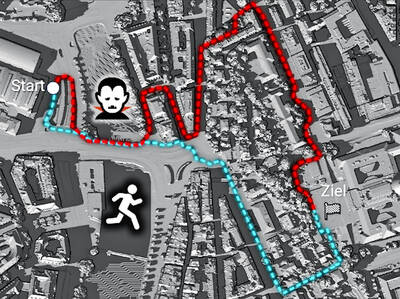
As climate change and urbanization push city temperatures higher, walking outdoors is becoming increasingly uncomfortable in many parts of the world, especially when prolonged time spent in sunlight is involved. As a result, outdoor lovers are now seeking cooler, shaded walking routes. However, most mainstream map apps still do not __1__ shaded footpaths. Enter routing.osm.ch — a Swiss web-based route planner that introduces a novel solution to this problem. Its “Vampire mode,” named after the legendary creatures’ fear of being __2__ natural light, was developed by a Swiss research team led by Professor Stefan Keller. The platform combines open data from


 RSS
RSS