


The idea of Father Christmas, also known as Santa Claus or “Saint Nick,” derives from a historic figure. Saint Nicholas (270 – 343) was Bishop of Myra, a town in what is now Turkey. His legendary generosity and humble compassion led to his reputation as a gift-giver.
The patron saint of sailors, merchants, repentant thieves and children, he is one of the most popular saints in the Greek and Latin churches, and is said to have been represented more frequently than any other saint except Mary by medieval artists.
One of the more enduring and common stories about his generosity was how he took pity on three girls of a poor family. With the parents unable to afford a dowry, the girls would have remained unmarried. At that time, this would have meant they would have to go into prostitution, or would be assumed to be prostitutes. According to the story, Saint Nicholas went to the house after dark and dropped three purses filled with gold coins through the window.

Photo: EPA
照片:歐新社
There are many variants of the story. In one, Nicholas drops the purses down the chimney and they land in a stocking one of the daughters had left out to dry.
With the Reformation, the tradition of worshiping saints disappeared in most Protestant countries. In the Netherlands, however, his legend continued as the figure of Sint-Nicolaas, or Sinterklaas, derived from the Dutch pronunciation of Saint Nicholas. This is where the name Santa Claus originates from.
Saint Nicholas is said to have died on Dec. 6, 343. This date is now celebrated as Saint Nicholas Day.
Photo: EPA
照片:歐新社
(Paul Cooper, Taipei Times)
聖誕老人,或「聖尼克」,是由一個歷史人物而來。聖尼可拉斯(西元二七○~三四三年)是米拉城(今土耳其境內)主教。據傳他是個極為慷慨謙遜,且富有同情心的人,經常致贈禮物給人們。
他是水手、商人、懺悔的小偷和小孩的主保聖人,是東正教和拉丁天主教會最有人氣的聖人,據說他是除了聖母瑪利亞以外,被中世紀藝術家描繪最多的聖人。
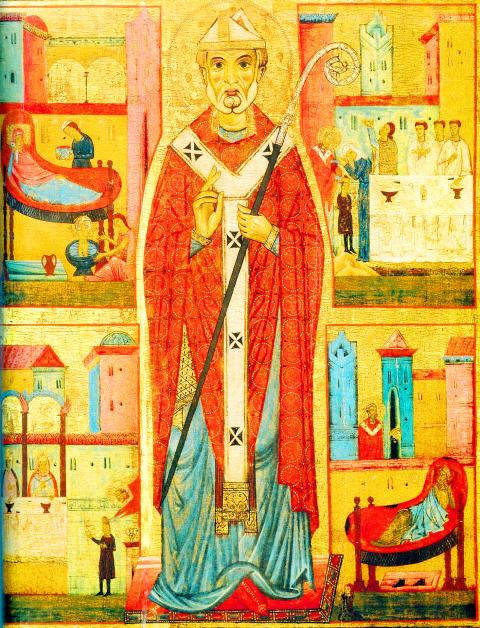
Photo: Wikimedia Commons
照片:維基共享資源
關於他的慷慨,有個流傳更久、更為人所熟知的故事。相傳他出於同情幫助了一個貧窮人家的三個女孩。女孩的父母因無力負擔嫁妝,導致她們一直未婚。這在當時,意味著她們將不得不去賣淫,或者被認為是妓女。這個故事說,聖尼古拉斯在天黑後到了那一戶人家,由窗口扔進了三個裝滿金幣的錢包。
這個故事有很多種版本。其中一個是,尼古拉斯把錢包扔到煙囪底下,結果錢包掉在其中一個女兒在煙囪底下晾著的襪子裡。
由於宗教改革的緣故,崇拜聖徒的傳統在大多數新教國家都已不復見。然而,在荷蘭,他的傳說則以源自Saint Nicholas的荷蘭文發音的名字Sint-Nicolaas或Sinterklaas延續下來。這也就是聖誕老人(Santa Claus)這個名字的起源。
據說聖尼古拉斯已於西元三四三年十二月六日去世。這一天即為現今的聖尼古拉斯節。(台北時報編譯林俐凱譯)

Cameras are everywhere — in our pockets, on our walls and even in space. They capture emotions, preserve history and reflect culture. Through these devices, photography is now essential to modern life, influencing how we perceive ourselves and the world. To understand the root of their power, let’s explore the camera’s remarkable journey. The story begins with the camera obscura, a dark room with a tiny hole. Light passing through the opening projected an inverted image on the opposite wall. Renaissance artists used this principle to paint accurate scenes. However, these images couldn’t be preserved as photographs. That changed

A: This year’s two most anticipated films have finally hit theaters in Taiwan. “Michael” premiered last Wednesday, while “The Devil Wears Prada 2” premiered this Wednesday ahead of its global release. B: Isn’t “Michael” the biopic about the late King of Pop Michael Jackson? A: Yup, it tells the story of Michael’s legendary life, from child star to global icon. And the role is in fact played by his nephew, Jaafar Jackson. B: Michael caused a sensation when touring Taiwan twice in 1993 and 1996. His classic hits, dance moves and music videos reshaped global pop culture at that time. A: I’m gonna

A: In addition to the biopic “Michael,” comedy “The Devil Wears Prada 2” is finally in theaters. I can’t believe it’s been 20 years since the 2006 debut of the original film. B: Does the sequel still revolve around the fashion industry? A: This time, “Miranda,” the fashion magazine editor-in-chief played by Meryl Streep, will team up with her former assistant “Andy,” played by Anne Hathaway, to fight against Emily, her other ex-assistant played by Emily Blunt. B: Isn’t the role of “Miranda” based on then US “Vogue” editor-in-chief Anna Wintour? A: Yup, it established Anna’s fashion status, influenced pop culture
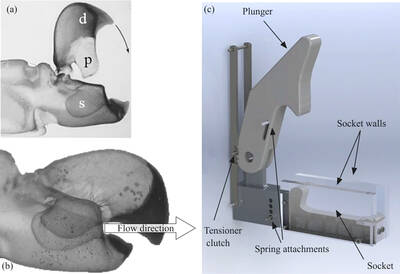
Few sea creatures of their size have as much destructive power as pistol shrimp. These small animals, usually measuring around four centimeters long, produce shock waves that can stun or even kill their prey. The attack begins when the shrimp opens its specialized claw, allowing water to fill a chamber inside. Then the claw closes rapidly. A bump on the claw strikes the chamber, forcing the trapped water out through a narrow opening at a high speed of about 25 meters per second. The rapid movement forms a bubble in the water that collapses almost instantly under the pressure of the


 RSS
RSS