


Located in Changhua County’s Hemei Township, the famous mansion and garden residence “Silent Park” was originally built for the famous local figure Chen Hsi-kui. His son, Chen Hsu-ku, was a writer involved in the movement against Japanese colonial rule. On the parapet of the residence, there is a sculpture in relief of a Tao Yuanming poem that was inscribed by late Qing dynasty Lukang calligrapher Tsai Shou-shih.
Silent Park is a two-story classic Baroque-style structure covering four acres. It is the old residence of Chen Hsu-kun, who was a contemporary of Lai Ho, “Father of Taiwanese Literature”, who resisted Japanese colonial rule. He was also a leading figure in the Taiwan Cultural Association and most widely known as a major figure in the New Taiwanese Literature movement. Thus, the mansion has an important link with peoples and their history, and its preservation holds major significance.
Two years ago, a descendant of Chen Hsu-ku was involved in the death of a local high school student at the hands of the Sun Moon Bright Light spiritual group, and the mansion came to be stigmatized as a result. However, the head librarian of National Changhua Senior High School, Lu Hsing-chung, devised a rescue plan for Silent Park. The landlord put the property up for NT$500 million, and gave Lu a year to raise the money. Lu asked students to travel throughout Taiwan doing fundraising activities so that they could buy the property and manage the estate through a trust.
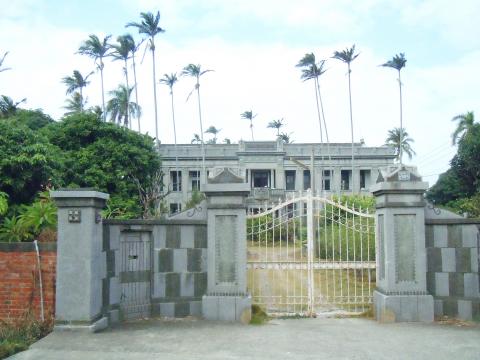
Photo: Chang Tsung-chiu, Liberty Times
照片:自由時報記者張聰秋
Lu said that rescuing Silent Park is a way of protecting Taiwanese culture, and hopes that through this rescue it can be preserved and developed as a youth entrepreneurial park.
(Liberty Times, Translated By Zane Kheir)
位於彰化縣和美鎮知名園邸「默園」原是當地聞人陳錫奎所興建,其子正是日治時期投入反對運動的文學家陳虛谷,該宅屋的樓崁上有陶淵明詩句的浮雕,是清末鹿港名書法家蔡壽石所題字。
默園佔地五千坪,為兩層樓巴洛克式經典建築,是陳虛谷故居,而其人正和「台灣文學之父」賴和為同時代人士,是反抗殖民統治、台灣文化協會的健將,更是台灣新文學運動的重要推手,因而這座園邸和人民的記憶有重要連結,保存意義重大。
前年,陳虛谷的後代涉及日月明功靈修團體虐死高中生案,致使園邸遭污名化,彰化高中圖書館主任呂興忠即有搶救默園的想法。地主出價五億,願意給他一年時間讓他籌錢,他號召學生,著手全台行腳募款的活動,買下土地再藉由信託管理默園建築物。
呂興忠說,搶救默園是維護台灣文化,因而希望能搶救,保留這座園邸,開發作為青年創業園區。
(自由時報記者張聰秋)
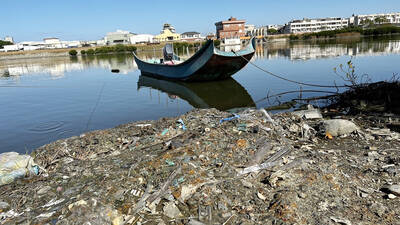
Many consumers are guilty of filling drawers or closets with old laptops, cellphones, fitness trackers and other electronic devices once they are no longer needed. It’s hard to know where to recycle such items, or it seems costly and inconvenient to do so. The world generates millions of tons of electronic waste — also called e-waste — each year. According to the UN’s most recent estimate, people worldwide produced 62 million metric tons of e-waste in 2022, and only about 22 percent of it was properly recycled. The US’ Environmental Protection Agency estimates that less than a quarter of e-waste is
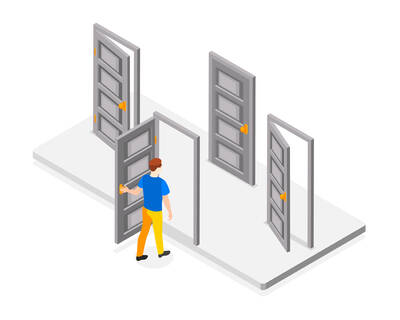
You’re sitting in class when a classmate asks to borrow a pencil. It seems like a small favor, so you agree without hesitation. The following week, the same classmate asks to share your notes. Later, they request help with a group project. You agree each time — after all, you helped out the first time — but before you know it, it has become automatic. This scenario demonstrates the “foot-in-the-door technique,” a psychological concept that shows how agreeing to small, acceptable demands makes it easier to accept larger ones later on. The name for this strategy comes from door-to-door

A: The four-day Tomb Sweeping Day long weekend begins Friday and will run until Monday. Are you going to sweep your ancestors’ tombs? B: I did in advance last weekend, so I can go to Kaohsiung to see the musical “The Phantom of the Opera.” A: Wow, is “Phantom” touring Taiwan again? It debuted in 1986, so this year marks the 40th anniversary of the show. B: And it’s not just touring Kaohsiung starting March 31, but also Taipei starting April 21 and Taichung starting May 26. A: “Phantom” is one of the world’s Four Major Musicals. I’ve seen all of them, except “Les

Dos & Don’ts — 想想看,這句話英語該怎麼說? 1. 我們很早到達電影院。 ˇ We arrived at the theater very early. χ We arrived the theater very early. 註︰arrive 為不及物動詞,後面如果有受詞要用 at 或 in。例如:They arrived in Taipei yesterday.。一般大地方,如國家、省、大城市等前面用 in,凡小地方城鎮、學校等則用 at。 2. 開車半小時以後,我們到達了海灘。 ˇ After half an hour’s drive, we got to the beach. χ After half an hour’s drive, we got the beach. 註︰come, go, get(來、去、到達)某地時,在表示地點的名詞前面應該用 to,如 go to school, go to Taipei, come to Shanghai 等。如果這些動詞後面所跟的是 here, there, home 等副詞,則不用 to。 3. 明天我會回辦公室。 ˇ I will be back in the office tomorrow. χ I will be back to office tomorrow. 註︰to be back 一語裡的 back 是副詞,不是介詞,所以後面要用 at (the market) 或 in (the office)。 假如假期結束,要回學校上課了則可說: ? Kids will be back


 RSS
RSS