

Nov. 16 to Nov. 22
Flames and smoke billowed through the Hsinchu Juvenile Prison on the night of Nov. 19, 1996 as hundreds of inmates set objects on fire, banged on metal windows, shook their beds and shouted in protest.
It took two days and the intervention of regular and military police, who used force and tear gas, to put down the riot, one of the largest in Taiwan’s prison history.
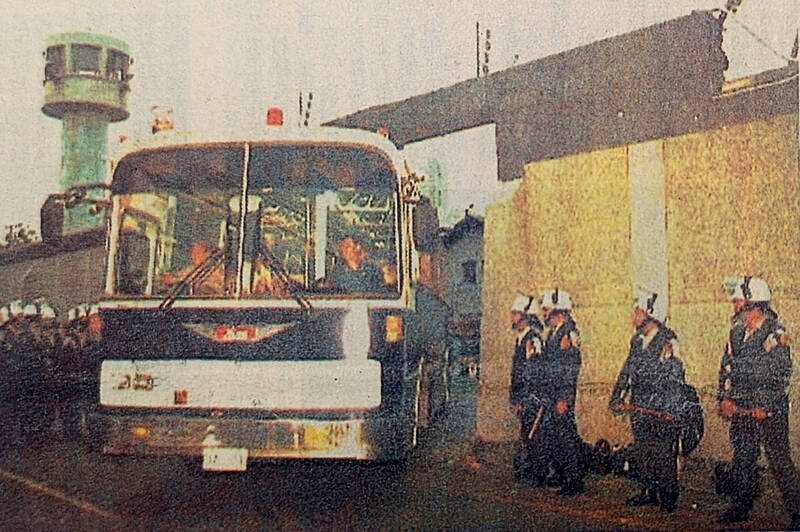
Photo: Hsing Ting-wei, Huang Min-chien, Taipei Time
According to a petition by six inmates, they planned the incident to alert the public to a number of longstanding grievances, including harsh treatment by prison staff, long working hours and excessive workloads in the prison workshops, and vocational training that inmates felt did little to improve their job prospects after release.
It was not the first time such unrest had occurred at the prison. In March 1982, inmates rioted twice in response to persistent allegations of mistreatment and physical abuse by prison officers.
But meaningful systemic change would not come until after the 1996 incident.
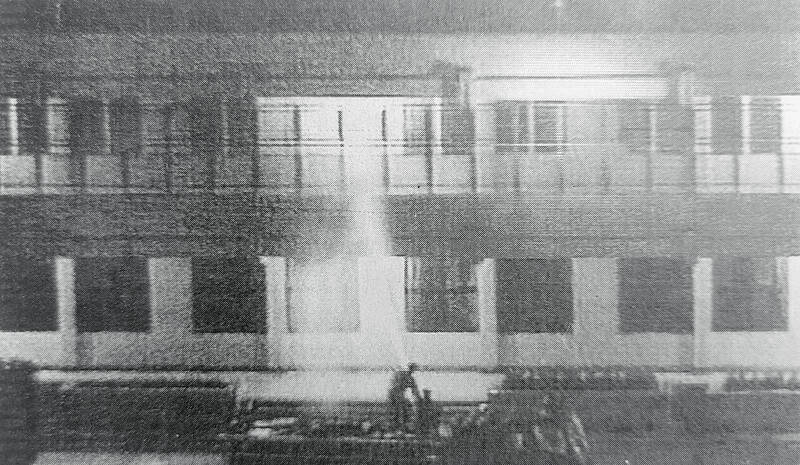
Photo: File
FIRST RIOTS
The Japanese colonial government in 1922 converted Hsinchu Prison into a juvenile institution, primarily housing offenders under 18. The prison moved to its present site in 1926 and reverted to a regular prison after World War II, before again becoming a juvenile facility in 1948.
Although several reformatories and detention centers were established over the years, Hsinchu remained Taiwan’s only juvenile prison.
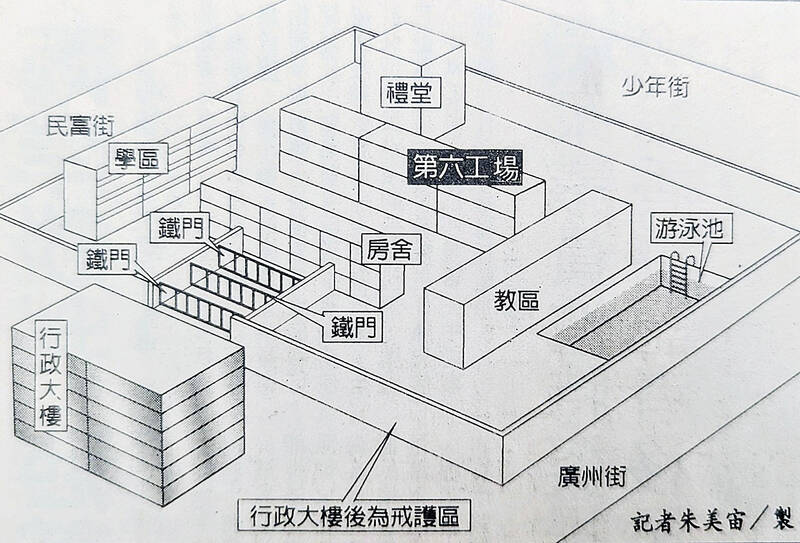
Graphic: Chu Mei-chou, Taipei Times
On March 8, 1982, inmates rioted in what the United Press International described as the “first jail riot ever in Taiwan.” The Taiyuan Prison Incident in 1970 was more of an armed uprising by political prisoners that aimed to overthrow the Chinese Nationalist Party (KMT) (see “Taiwan in Time: Prison break to nationwide revolution?”, Feb. 5, 2023).
The report described the prison as housing 1,476 inmates, about 1,000 of whom were teenagers. The inmates reportedly broke the doors and windows to their cells, “seized two buildings, set fires and confronted security forces for five hours” before being subdued by tear gas deployed by troops sent in to reinforce the guards.
The immediate trigger was an impending punishment for five inmates. The prison initially told the press that the men were to be sent to solitary confinement for coercing other prisoners into sexual activity. Several inmates, however, told the United Daily News that guards were about to beat the men for homosexual behavior.
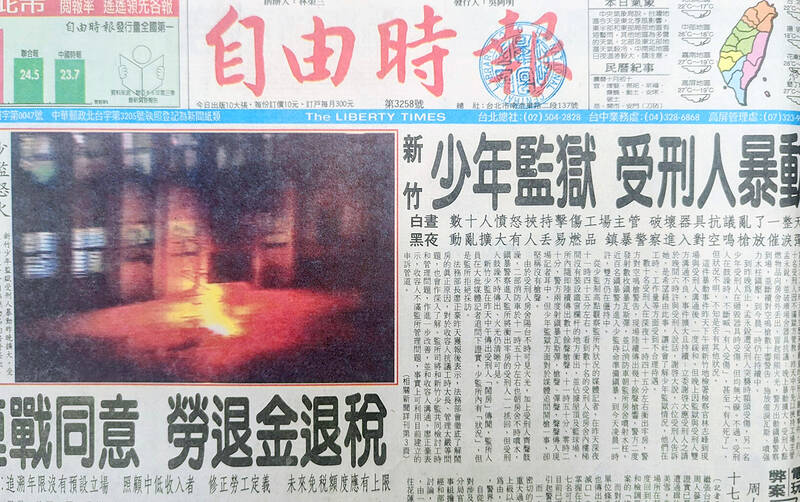
Photo: File
They also said the unrest arose from longstanding arbitrary discipline and physical abuse by guards. One inmate said he and several others had previously attempted suicide because of mistreatment, describing how guards often found excuses to beat prisoners, sometimes ganging up on one person. They also complained that guards had recently begun cracking down particularly harshly on smoking, as well as exorbitant prices at the commissary. Not all inmates wanted to riot, they said, but some were pressured into participating.
A dispute between an inmate and guard sparked another disturbance on March 29, when inmates again occupied buildings, set fires and threw bricks at guards from the roof. Several tried to escape amid the chaos but were quickly recaptured.
The prison largely blamed the incidents on what it considered overly lenient treatment of inmates, including lax security measures and the decision to house adult prisoners alongside juveniles.
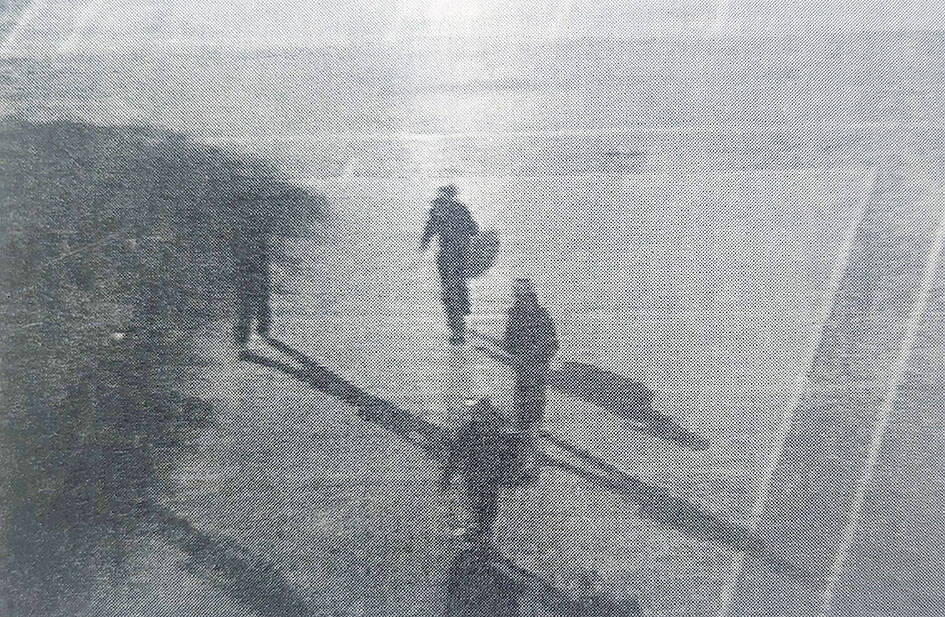
Photo: File
But by 1996, adult inmates serving short sentences were still housed in the juvenile prison due to overcrowding.
TWO-DAY UNREST
On Nov. 19, 1996, several adult inmates unhappy with treatment attacked the workshop manager and other staff, eventually taking the manager hostage and locking themselves inside the workshop. They incited the 86 inmates working there to join the riot.
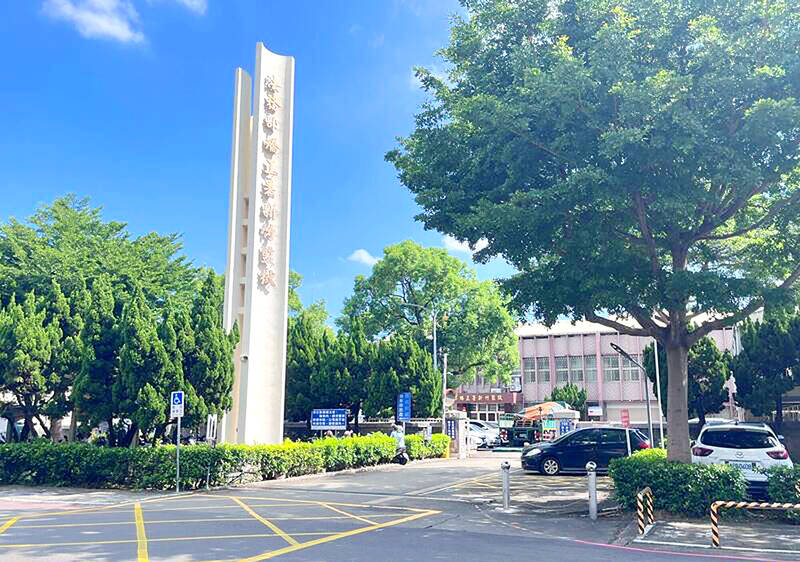
Photo: Huang Mei-chu, Taipei Times
Prison officials that night met with six inmates to negotiate. The inmates outlined their grievances and demanded to see legislator Hsieh Chi-ta (謝啟大), whom they reportedly saw as a mother figure. Hsieh was unable to arrive promptly because she was attending a meeting. Finally, they handed their petition to a prosecutor, and were allowed to speak with another inmate they trusted. They then released the manager, according to the United Daily News.
Hsieh soon arrived to meet with the inmates, but it didn’t seem to calm them down. Around 11pm, prison officials switched off the televisions, which had been showing news coverage of the riot, prompting inmates to start banging on their beds and shouting again. An estimated 600 inmates eventually joined in.
Although more than 50 riot police arrived and deployed tear gas, the situation only worsened. Inmates burned clothes, newspapers and sheets and threw them out of windows. Police then deployed more tear gas, fired shots into the air and stormed the building, arresting 90 inmates and promptly taking them to Taichung Prison.
Meanwhile, there were also reports of unrest in other prisons, allegedly in support of the Hsinchu inmates.
Unrest flared up again the following morning, more intense than the day before. Reinforcements were called in, and a total of 380 police officers and 30 military police barged into the building again, arresting the remaining 482 inmates involved in the riot. They were sent to Chiayi Prison.
One 16-year-old inmate was found unwell and rushed to hospital, where he died. The official cause of death was heart failure, but his family and an Amnesty International report questioned the claim.
LASTING CHANGE
There was disagreement over who was to blame, with the warden warning that the inmates’ “demands would be endless” if they got their way. But there was broad agreement that change was needed, prompting renewed scrutiny of Taiwan’s juvenile correctional system.
Hsieh and other critics argued that the prison system was ill-equipped to rehabilitate young offenders and called for a shift from punishment toward education. The Ministry of Education and Ministry of Justice agreed to work together toward this goal.
In 1997, the Legislature passed a law establishing juvenile correctional schools. In 1999, Hsinchu Juvenile Prison reverted to its former role as an adult prison and resumed the name Hsinchu Prison, while two new institutions were established: Chengjheng High School (誠正中學) in Hsinchu for juveniles receiving reformative education, and Mingyang High School (明陽中學) in Kaohsiung for those serving prison sentences.
Taiwan in Time, a column about Taiwan’s history that is published every Sunday, spotlights important or interesting events around the nation that either have anniversaries this week or are tied to current events.
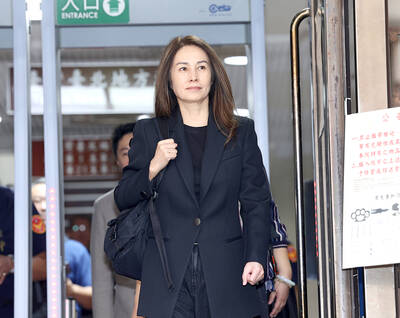
One of the most important corruption cases of the year faded from the public eye for a while this summer, only to resurface last week as prosecutors brought in “independent” indigenous legislator May Chin (高金素梅) for questioning and the Coast Guard seized two fishing boats in connection with the sprawling set of cases around her. The first set of cases involves one of the most common forms of legislative corruption in Taiwan: embezzling funds intended to pay assistants. In June, the Taipei District Prosecutors’ Office indicted Chin and 23 others linked to her office on charges including alleged embezzlement, forgery, money

The teenage daughter of North Korean leader Kim Jong-un has drawn intense international media attention as their frequent public appearances together fuel speculation that he is grooming her to succeed him one day. There are debates about her status, but most experts expect Kim to eventually hand over power to one of his children and extend his family’s rule into a fourth generation. Here’s a look at how North Korean defectors and others think about the girl, who is reportedly about 13 and named Kim Ju-ae, and the family’s dynastic rule. TAE YONG-HO Tae, a former minister at North Korea’s Embassy in London, defected
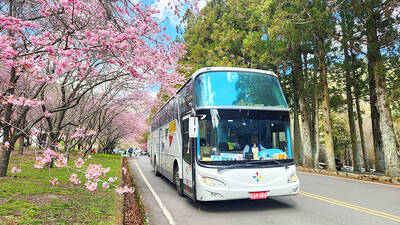
Former president Ma Ying-jeou (馬英九) of the Chinese Nationalist Party (KMT), then running for his first term in 2007, proposed his “10 Well Being Projects for Central Taiwan”. Among these was fixing the Central Cross-Island freeway between Guguan (谷關) and the Techi Reservoir, which had been closed since 2004 after a typhoon knocked it out (it had also been severely damaged by the 921 earthquake). The closure was awkward for Taichung since part of the Taichung Municipality (then Taichung County), Lishan (梨山) area of Taichung’s Heping District (和平), sits on the other side of the central mountain range. When Ma

Some consider how Taiwan conducts elections a model other countries should emulate. There are good reasons to do so, considering the messy outcomes in some other countries, such as the current seemingly endless wait for the final US midterm results. However, Taiwan’s system does have some aspects that are controversial, including the lack of absentee ballots. Election logistics are crucial in ensuring fair, democratic results. Considering its fundamental role in ensuring the health and basic functioning of a democracy, it should get more attention and scrutiny than it does. Unfortunately, the public rarely gives it much thought until something goes


 RSS