

Eight banks have reported major incidents involving unauthorized online transfers totaling NT$1.82 million (US$55,201) from the accounts of 10 customers, the Financial Supervisory Commission (FSC) said yesterday.
The eight banks are CTBC Bank Co (中信銀行), E.Sun Commercial Bank Ltd (玉山銀行), Hua Nan Commercial Bank Ltd (華南銀行), Taipei Fubon Commercial Bank Co (台北富邦銀行), Taiwan Cooperative Bank Ltd (合庫銀行), Chang Hwa Commercial Bank Ltd (彰化銀行), First Commercial Bank Ltd (第一銀行) and Taishin International Bank Co (台新銀行), FSC Banking Bureau Secretary-General Chen Chia-chen (陳家珍) said at a news conference.
Separately, the Criminal Investigation Bureau (CIB) said it had received more than 100 reports of unauthorized online banking transfers that occurred between September and Nov. 11. Reported losses totaled NT$17.42 million.
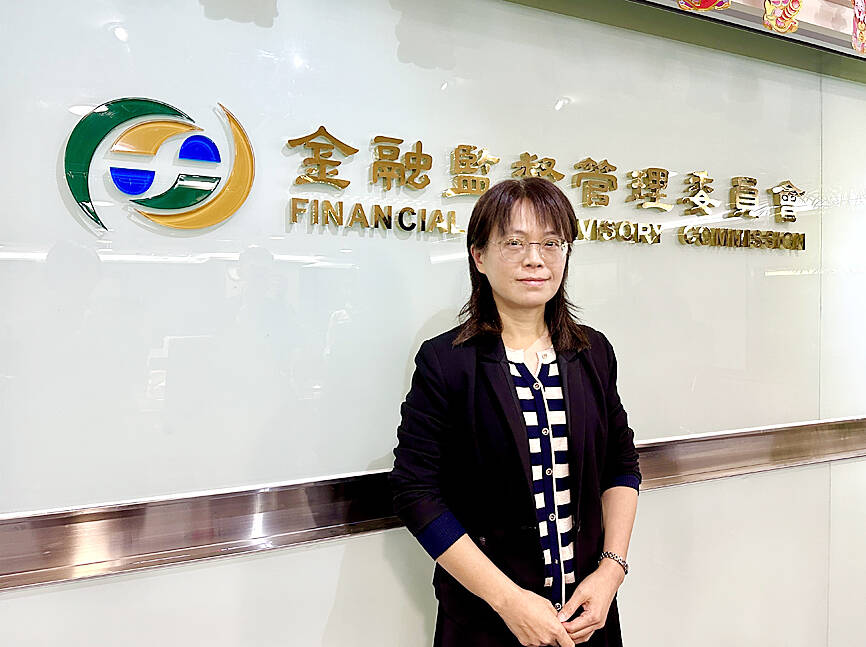
Photo: CNA
The CIB said 22 financial institutions were affected, including 18 banks, one securities brokerage and three electronic payment providers.
The bureau said it suspected that criminals had used malware hidden in an Android app posing as a short-form video app to take control of users’ phones and transfer money through their mobile banking apps.
Asked about the difference between the two sets of figures, Chen said banks decide whether incidents meet the FSC’s criteria for reporting as major contingencies, while the CIB compiles reports from the public.
In the case involving the securities brokerage, an investor had reported that an order was placed without their knowledge, FSC Securities and Futures Bureau Deputy Director-General Huang Chung-hao (黃仲豪) said.
The brokerage had not reported the incident as a major contingency, but the Taiwan Stock Exchange Corp was looking into it, Huang said. He added that in some cases, investors who suspected their orders had been tampered with later realized they had scheduled the orders themselves.
Asked how customers could seek compensation and whether banks would be held responsible, Chen said the outcome would depend on the circumstances of each case. Customers dissatisfied with the outcome could seek mediation through the Financial Ombudsman Institution, she added.
Chen said the FSC had instructed financial institutions to strengthen their cybersecurity defenses and resilience. In response to the methods described by the CIB, the commission would ask the Bankers Association to discuss ways to improve existing security measures.
The FSC would also work closely with law enforcement agencies and cooperate fully with police investigations, she said.
The commission would ask financial institutions to remind customers to avoid downloading apps from unknown sources or clicking on unfamiliar links, Chen said.

Taiwan Semiconductor Manufacturing Co (TSMC, 台積電) said yesterday that its subsidiary TSMC Partners Ltd had acquired 6,024,096 shares in US artificial intelligence (AI) company Anthropic PBC for about US$500 million. TSMC Partners paid US$83 per share, the price of Anthropic’s initial public offering (IPO), giving TSMC a stake of about 0.03 percent, according to a regulatory filing by the world’s largest contract chipmaker. Anthropic, the developer of the Claude AI assistant, priced its IPO on Wednesday at a valuation of about US$1.5 trillion. Its shares were scheduled to begin trading on the NASDAQ yesterday under the ticker symbol "ANT." The purchase was primarily
Taiwan Semiconductor Manufacturing Co (TSMC, 台積電) yesterday dismissed concerns about a deeper correction of the artificial intelligence (AI) market, saying that soaring global demand AI applications continues to outstrip its supply of advanced chips. The world’s largest contract chipmaker said in a statement that it continues to observe challenges facing the consumer and price-sensitive end-market segments posed by rising component prices and economic uncertainties, TSMC chairman and chief executive officer C.C. Wei’s (魏哲家) remarks during an earnings conference on Oct. 15. “Global demand for AI continues to grow, with its long-term outlook remaining upbeat,” TSMC said in the statement. “Demand
Taiwan Semiconductor Manufacturing Co (TSMC, 台積電) is tightening restrictions on Chinese chip designers, suspending some previously permitted advanced manufacturing orders and generally limiting affected customers to older chipmaking technology, according to two people familiar with the matter. The move could close one of the last remaining routes for Chinese companies to produce powerful artificial intelligence (AI) processors, complicating Beijing’s efforts to develop domestic alternatives to chips designed by Nvidia Corp and manufactured by TSMC. The world’s largest contract chipmaker has instructed that affected orders using manufacturing processes of 16 nanometres and below be halted unless customers obtain US export licences, the people
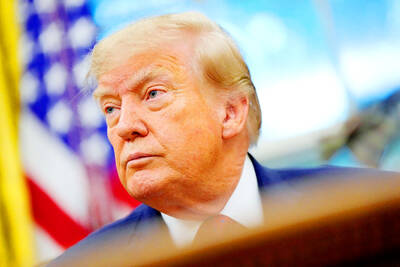
Yash Sharma decided last month that he has had enough of the US. The 36-year-old Google software engineer from India says halfway through US President Donald Trump’s second term, the constant rule changes around visas for highly skilled immigrants, the unknowns they create and the slim odds of him becoming a citizen have all become too much. Sharma, who has had an H-1B visa for six years, says it has become hard to focus at work. And while he loves his life in San Francisco and working at the epicenter of tech and artificial intelligence (AI), he feels like he has


 RSS