


Solar cell module maker Motech Industries Inc (茂迪) yesterday reported that net profit last quarter jumped 234 percent to NT$78 million (US$2.42 million) from the second quarter as it shipped more high-margin modules equipped with N-type TOPCon solar cells.
However, on an annual basis, net profit dropped 19.6 percent from NT$97 million.
Earnings per share were NT$0.2, up from NT$0.06 a quarter earlier, but down from NT$0.25 a year earlier, it said.
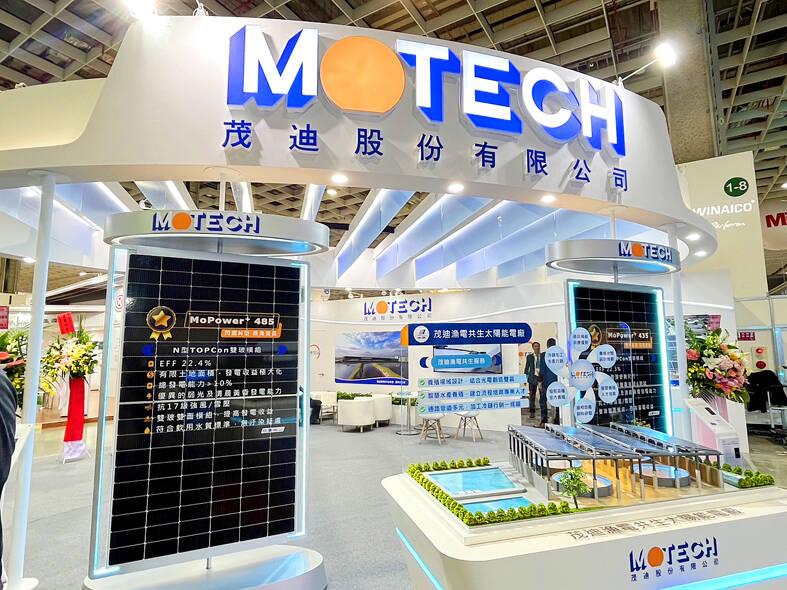
Photo: Chang Huei-wen, Taipei Times
Gross margin climbed to 15.6 percent from 13.3 percent in the April-to-June period and 13.7 percent from a year earlier.
Robust demand from overseas, primarily Japan, also drove shipments higher and improved the company’s financial performance, Motech spokesman Ting Wang (王丁召) told investors.
“The company’s business hit a trough in the second quarter and started to rebound in the third quarter,” Wang said.
Motech said it expects revenue this quarter to be little changed from NT$955 million last quarter, as sales would improve this month and next month from a low of NT$222 million last month.
Domestic solar companies are suffering due to an unfavorable external environment in the second half of this year, as large-scale solar project developers are slowing the pace of solar installments ahead of the Jan. 13 presidential elections, the company said.
“The impact is enormous,” Wang said. “Besides, it is time-consuming to go through the paperwork from different government agencies to install solar panels above fishing ponds. It took much longer than we expected.”
Motech holds a cautious outlook regarding market demand next year and hopes to have a better picture of demand after the elections, Wang said.
The company will continue upgrading its production lines to maintain its technology leadership, he said.
Motech is ahead of its peers in receiving certification for the new generation of M10 solar panels and plans to convert all of its M6 solar panels to larger M10s from June next year, Wang said.
The conversion would help boost its domestic annual capacity to about 400 megawatts from 350 megawatts this year, Wang said.
Motech also plans to upgrade its factory in Maanshan in China’s Anhui Province, which has an installed capacity of 300 megawatts, he said.
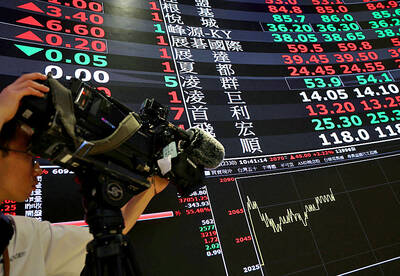
After several years flying high as Asia’s best Nvidia Corp proxy, Taiwan Semiconductor Manufacturing Co (TSMC, 台積電) is increasingly vying with other artificial intelligence (AI) stocks for investor attention. Stock traders are chasing a wider array of beneficiaries as mainstream usage of AI creates demand for hardware beyond the most-advanced chips TSMC makes for Nvidia. Subthemes from the deepening memory crunch to advances in robotics are also luring bids. At the same time, investment caps on single stocks are pushing funds to diversify, while retail investors long familiar with TSMC through its US depositary receipts are being offered a broader set of
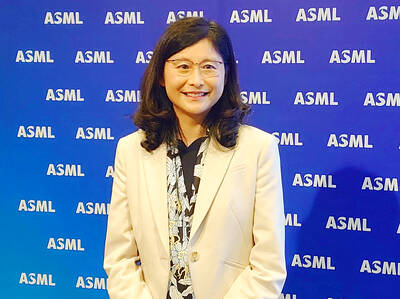
Netherlands-based semiconductor equipment supplier ASML Holding NV yesterday said that it is planning to hire an additional 1,000 people in Taiwan this year in response to growing demand from clients. ASML had previously planned to recruit 600 people this year, but that the plan has been adjusted upward, ASML vice president and ASML Taiwan general manager Grace Wang (汪佳慧) told reporters. ASML has a workforce of more than 4,500 in Taiwan, accounting for about 10 percent of its global total, Wang said. This year’s recruitment campaign would focus on adding people in the customer support, manufacturing and supply chain domains to assist ASML
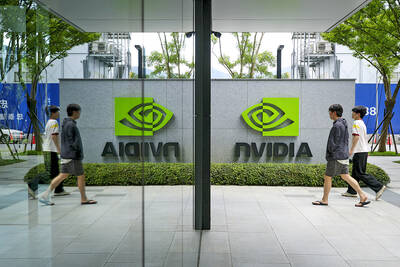
UNDER MICROSCOPE: Taiwan detained three people who allegedly conspired to buy servers in Taiwan and export them using fraudulent documentation, prosecutors said Nvidia Corp chief executive officer Jensen Huang (黃仁勳) on Saturday urged Super Micro Computer Inc to tighten up on compliance after Taiwan detained three people this week for allegedly making fraudulent declarations about artificial intelligence (AI) servers made by its US partner. The development marked the nation’s first crackdown on semiconductor smuggling, which grew after the US slapped restrictions on exports of high-end chips such as Nvidia AI accelerators to China. Nvidia is “rigorous” in explaining regulations to all of its partners, Huang told reporters after arriving in Taipei. “Ultimately Super Micro has to run their own company,” he said in response to

Nvidia Corp yesterday announced that CEO Jensen Huang (黃仁勳) would attend an employee meeting in Taipei tomorrow to celebrate the launch of the company’s Taiwan headquarters project. Huang would attend a gathering at the site of Nvidia’s planned headquarters in Beitou Shilin Technology Park (北投士林科技園區), the company said in a statement. After arriving in Taiwan on Saturday last week, Huang told reporters that he plans to meet with Quanta Computer Inc (廣達) chairman Barry Lam (林百里) and Taiwan Semiconductor Manufacturing Co (TSMC, 台積電) chairman C.C. Wei (魏哲家), and would attend the groundbreaking ceremony for Nvidia’s Taiwan headquarters tomorrow. Nvidia has not yet applied


 RSS
RSS