

DRAM chipmaker Nanya Technology Corp (南亞科技) yesterday reported that net profit inched up 0.4 percent last quarter, as foreign-exchange gains helped cushion the effect of flagging consumer electronics demand amid high inflation and COVID-19 lockdowns in China.
Net profit rose to NT$6.57 billion (US$220.3 million) from NT$6.55 billion in the first quarter, or earnings per share of NT$2.12 from NT$2.11 in the previous quarter.
While operating income last quarter contracted 14.3 percent sequentially to NT$5.36 billion, net income grew mainly due to non-operating income of NT$1.74 billion, more than half of which came from foreign-exchange gains, the company said.

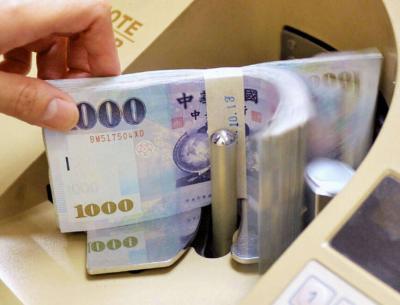
Photo: Grace Hung, Taipei Times
Nanya Technology expects a rough quarter ahead amid increasing inflation worldwide and flagging consumer confidence, as well as uncertainty about production resumption in China.
China’s “zero COVID” policy has severely affected consumer spending in the world’s biggest economy and rippled through electronic supply chains there, Nanya Technology said.
“The third quarter will be a challenging period. The third quarter is usually a high season, but this year, it is unclear whether there would be a seasonal effect,” Nanya Technology president Lee Pei-ing (李培瑛) told an online news briefing yesterday.
“Demand for [DRAM] is dwindling in the short term,” Lee said.
Weak demand for DRAM chips for consumer electronics, mainly smartphones and notebook computers, would ultimately spread to memory chips used in servers, as people turn conservative about most products due to macroeconomic uncertainties, he said.
Any recovery in DRAM chip demand would hinge on improvements in global inflation, production resumption in China and economic stimulus measures from governments around the world, Lee said.
The average selling price is expected to dip further this quarter following a mid-single-digit percentage sequential decline last quarter on lingering impact from global inflation as Russia’s invasion of Ukraine led to surges in crude oil and natural gas prices, Lee said.
Gross margin is also under mounting pressure and likely to trend down this quarter from 44.1 percent in the quarter ending June 30, due to rising costs of raw materials, manufacturing equipment and electricity rate hikes of 15 percent, Lee said.
Foreign-exchange gains lifted gross margin by 0.2 percentage points last quarter from 43.9 percent in the first quarter, Lee said, but added that it is hard to predict how the market would move this quarter.
Major memorychip inventories rose last quarter and could continue rising in the second half of the year given an unfavorable external environment, he said.
Nanya Technology said it was sticking to its planned capital expenditure of NT$28.4 billion for this year, but delays in equipment delivery might trim the spending by about 10 percent.

BOOMING BUSINESS: Memory supply constraints would be even more severe in 2027 and 2028, prompting customers to sign long-term supply agreements, Micron said Micron Memory Taiwan Co (台灣美光) yesterday said it is accelerating memorychip capacity expansion amid growing artificial intelligence (AI)-driven demand, with its accumulated investment in Taiwan reaching NT$1.6 trillion (US$50.2 billion) as of June. The company’s investment in Taiwan has surged over the past four years, with recent spending equaling the total invested over the past 25 years, Micron Taiwan chairman Donghui Lu (盧東暉) told a media briefing in Taipei. “The launch of ChatGPT and the outbreak of COVID triggered increasing demand for memory chips. Since then, demand has gathered pace rapidly, with only a brief pause in 2023 when a major downturn”

Artificial intelligence (AI) requires safeguards that go beyond self-regulation, Microsoft Corp cofounder Bill Gates said in an interview that aired on Sunday, calling for legislation to be passed in US Congress. “You need law enforcement and the politicians to get into the discussion about what safeguards and monitoring look like,” Gates said in a taped interview on NBC’s Meet the Press program. “And that has to be a required thing.” A sudden groundswell has risen in favor of federal intervention after OpenAI in July said that an autonomous AI agent went rogue during a security test and hacked into another company, subverting

Apple Inc is set to sell about 6 million units of the iPhone Duo this year, Counterpoint Research said, offering the first estimate for how the company’s inaugural foldable device would fare. The figure, more typical of the niche foldable segment than Apple’s usual smartphone sales, is contingent on how well the company ramps up production of the new hardware, Counterpoint senior analyst Ivan Lam (林科宇) said. Priced at US$1,999 and set for a release this month, the iPhone Duo sits atop the Apple lineup and carries industry wide hopes for stoking greater interest and sales of foldables. Market researcher IDC Corp
Taiwan ranked fifth worldwide in net financial assets per capita at the end of last year, averaging 164,470 euros (US$186,219), a report released this week by Germany-based Allianz Research said. Taiwan's ranking remained unchanged from the previous year, trailing only the US, Switzerland, Denmark and Singapore, Allianz’s Global Wealth Report said. In the report, Allianz assessed household assets and liabilities in nearly 60 countries, finding that global household wealth reached a record high last year, while the rise of artificial intelligence and market gains made asset ownership increasingly important in determining who benefits from wealth creation. Global financial assets reached a record 268.4


 RSS
RSS