


The New Taiwan dollar on Friday slid against the US dollar, shedding NT$0.002 to close at NT$31.042, losing 0.2 percent from NT$30.980 a week earlier.
Turnover totaled US$827 million during the trading session.
The greenback opened at NT$31.060, moving between NT$31.005 and NT$31.075 before the close.
Elsewhere on Friday, the euro was pinned at more than two-year lows as a steady drip of negative economic data this week sapped investor demand for the single currency while the US dollar benefited from some quarter-end rebalancing flows.
Dismal business activity data from the eurozone, especially powerhouse economy Germany at the start of the week, has pushed European bond yields lower across the board, with concerns about a weak economy in Britain also weighing.
“We have had a steady drip of weak data from the eurozone this week and that is highlighting the differences between the US and Europe, where the former is still showing signs of strength,” Commerzbank AG analyst Thu Lan Nguyen said.
Against the greenback, the euro held firm at US$1.0927, just above a May 2017 low of US$1.0904.
Versus a basket of its rivals, the US dollar pushed 0.1 percent higher to 99.21, its highest in more than three weeks.
Strong data in the US have pushed an economic surprise data index published by Citigroup Inc to its highest since February last year.
In comparison, a similar index on Europe has fallen dramatically in the past several days, signaling slowing economic activity.
Sterling was the other big loser in London trading after Bank of England policymaker Michael Saunders hinted at looser monetary policy if Brexit uncertainty remained prolonged against a backdrop of disappointing global growth.
The pound on Friday weakened 0.3 percent to a new two-week low of US$1.2285 as his comments raised expectations that the next move from the central bank could be a rate cut.
Markets were also digesting an impeachment probe launched into US President Donald Trump, as well as the latest headlines from a trade dispute between the US and China.
A whistle-blower complaint released on Thursday said that Trump not only abused his office in attempting to solicit Ukraine’s interference in next year’s US presidential election, but the White House tried to “lock down” evidence about it.
Meanwhile, China’s top diplomat said that Beijing was willing to buy more US products.
CNBC reported that trade talks were on track and scheduled to start on Oct. 10 in Washington, citing people familiar with the arrangements.
Elsewhere, the US dollar eased against the trade-sensitive Australian and New Zealand dollars, which gently rallied on hopes that next month’s US-China trade talks will bring progress.
However, moves were slight and neither strayed far from two-week troughs against the greenback.

Real estate agent and property developer JSL Construction & Development Co (愛山林) led the average compensation rankings among companies listed on the Taiwan Stock Exchange (TWSE) last year, while contract chipmaker Taiwan Semiconductor Manufacturing Co (TSMC, 台積電) finished 14th. JSL Construction paid its employees total average compensation of NT$4.78 million (US$159,701), down 13.5 percent from a year earlier, but still ahead of the most profitable listed tech giants, including TSMC, TWSE data showed. Last year, the average compensation (which includes salary, overtime, bonuses and allowances) paid by TSMC rose 21.6 percent to reach about NT$3.33 million, lifting its ranking by 10 notches

Popular vape brands such as Geek Bar might get more expensive in the US — if you can find them at all. Shipments of vapes from China to the US ground to a near halt last month from a year ago, official data showed, hit by US President Donald Trump’s tariffs and a crackdown on unauthorized e-cigarettes in the world’s biggest market for smoking alternatives. That includes Geek Bar, a brand of flavored vapes that is not authorized to sell in the US, but which had been widely available due to porous import controls. One retailer, who asked not to be named, because
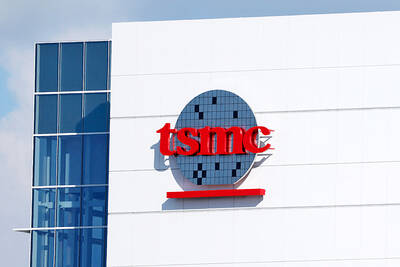
SEASONAL WEAKNESS: The combined revenue of the top 10 foundries fell 5.4%, but rush orders and China’s subsidies partially offset slowing demand Taiwan Semiconductor Manufacturing Co (TSMC, 台積電) further solidified its dominance in the global wafer foundry business in the first quarter of this year, remaining far ahead of its closest rival, Samsung Electronics Co, TrendForce Corp (集邦科技) said yesterday. TSMC posted US$25.52 billion in sales in the January-to-March period, down 5 percent from the previous quarter, but its market share rose from 67.1 percent the previous quarter to 67.6 percent, TrendForce said in a report. While smartphone-related wafer shipments declined in the first quarter due to seasonal factors, solid demand for artificial intelligence (AI) and high-performance computing (HPC) devices and urgent TV-related orders
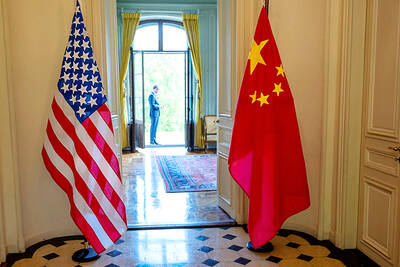
MINERAL DIPLOMACY: The Chinese commerce ministry said it approved applications for the export of rare earths in a move that could help ease US-China trade tensions Chinese Vice Premier He Lifeng (何立峰) is today to meet a US delegation for talks in the UK, Beijing announced on Saturday amid a fragile truce in the trade dispute between the two powers. He is to visit the UK from yesterday to Friday at the invitation of the British government, the Chinese Ministry of Foreign Affairs said in a statement. He and US representatives are to cochair the first meeting of the US-China economic and trade consultation mechanism, it said. US President Donald Trump on Friday announced that a new round of trade talks with China would start in London beginning today,


 RSS
RSS