


Global shipments of servers decreased in the first half of the year due to relocation of production lines for data centers, Taipei-based market researcher TrendForce Corp (集邦科技) said in a report yesterday, as it predicted a decline in server shipments in China this year.
While original design manufacturers (ODM) have since last year been moving their production lines out of China due to its escalating trade dispute with the US, the relocation process has nonetheless affected the entire supply chain for servers, the researcher said.
This has resulted in sluggish demand from the data center market in the first six months of this year, which was further dampened by the unresolved US-China trade dispute, TrendForce said.
“ODM partners of Microsoft Azure, Google and a few other cloud service providers in the US have moved their L6 [level 6] lines to Taiwan as requested by their clients. The issue is that the production yields from these lines have dropped following their relocation, leading to downward corrections in shipments,” TrendForce senior analyst Market Liu (劉家豪) said in the report.
LOW YIELDS
The yields of the relocated L6 lines would not return to their normal levels until the end of this year or next year, Liu said.
However, server shipments for Amazon Web Services, Amazon.com Inc’s cloud computing arm and Facebook Inc are expected to remain steady, despite production lines remaining in China, as the companies are willing to absorb the costs associated with higher US tariffs, Liu added.
TrendForce also predicted that total annual server shipments in China this year would decline by 4 percent year-on-year due to the US’ export restrictions on several major Chinese data center suppliers, including Huawei Technologies Co (華為) and Dawning Information Industry Co (中科屬光), which is also known as Sugon.
However, Chinese server maker Inspur Group Ltd’s (浪潮集團) shipments are expected to increase 10 percent on an annual basis by the end of the year, as the company benefits from transfer orders, since most of the companies that build and operate large-scale data centers still use China-made servers.

Real estate agent and property developer JSL Construction & Development Co (愛山林) led the average compensation rankings among companies listed on the Taiwan Stock Exchange (TWSE) last year, while contract chipmaker Taiwan Semiconductor Manufacturing Co (TSMC, 台積電) finished 14th. JSL Construction paid its employees total average compensation of NT$4.78 million (US$159,701), down 13.5 percent from a year earlier, but still ahead of the most profitable listed tech giants, including TSMC, TWSE data showed. Last year, the average compensation (which includes salary, overtime, bonuses and allowances) paid by TSMC rose 21.6 percent to reach about NT$3.33 million, lifting its ranking by 10 notches

Popular vape brands such as Geek Bar might get more expensive in the US — if you can find them at all. Shipments of vapes from China to the US ground to a near halt last month from a year ago, official data showed, hit by US President Donald Trump’s tariffs and a crackdown on unauthorized e-cigarettes in the world’s biggest market for smoking alternatives. That includes Geek Bar, a brand of flavored vapes that is not authorized to sell in the US, but which had been widely available due to porous import controls. One retailer, who asked not to be named, because
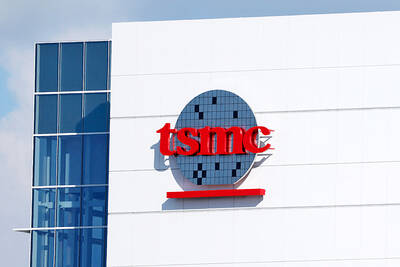
SEASONAL WEAKNESS: The combined revenue of the top 10 foundries fell 5.4%, but rush orders and China’s subsidies partially offset slowing demand Taiwan Semiconductor Manufacturing Co (TSMC, 台積電) further solidified its dominance in the global wafer foundry business in the first quarter of this year, remaining far ahead of its closest rival, Samsung Electronics Co, TrendForce Corp (集邦科技) said yesterday. TSMC posted US$25.52 billion in sales in the January-to-March period, down 5 percent from the previous quarter, but its market share rose from 67.1 percent the previous quarter to 67.6 percent, TrendForce said in a report. While smartphone-related wafer shipments declined in the first quarter due to seasonal factors, solid demand for artificial intelligence (AI) and high-performance computing (HPC) devices and urgent TV-related orders
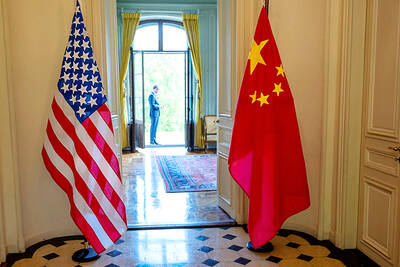
MINERAL DIPLOMACY: The Chinese commerce ministry said it approved applications for the export of rare earths in a move that could help ease US-China trade tensions Chinese Vice Premier He Lifeng (何立峰) is today to meet a US delegation for talks in the UK, Beijing announced on Saturday amid a fragile truce in the trade dispute between the two powers. He is to visit the UK from yesterday to Friday at the invitation of the British government, the Chinese Ministry of Foreign Affairs said in a statement. He and US representatives are to cochair the first meeting of the US-China economic and trade consultation mechanism, it said. US President Donald Trump on Friday announced that a new round of trade talks with China would start in London beginning today,


 RSS
RSS