


Wistron Medical Technology Corp (緯創醫學), a subsidiary of contract electronics manufacturer Wistron Corp (緯創), yesterday said that it is cooperating with En Chu Kong Hospital in New Taipei City to develop “smart hospital architecture” and establish an intelligent healthcare ecosystem.
The smart hospital architecture is a system aimed at providing personalized and intelligent bedside healthcare to patients by employing the Internet of Things, big data analysis and artificial intelligence, Wistron Medical said in a statement.
The firm is also launching a series of smart solutions that aids hemodialysis through self check-in systems and notifications of high-risk symptoms in patients through big data analysis, it said.
At En Chu Kong Hospital, Wistron Medical is setting up three main systems aimed at ameliorating hemodialysis treatment, which include ICD-10 smart recommendations.
One system relies on big data analysis to provide doctors with the correct diagnosis code by typing in a keyword.
Another system handles operating room scheduling through analysis of data gathered from the central command system and individual operating rooms.
Wistron Medical said that it is also building a voice-activated communications platform for medical professionals, which could improve their efficiency by simplifying administrative work and accelerating their access to patients’ medical records.
The company has also formally partnered with Kaohsiung Municipal Siaogang Hospital to detect dementia in older people through various applied technologies, such as posture recognition, interactive multimedia and wearable devices designed to monitor physical activity.
Wistron Medical said that it would display its smart solutions at the Taiwan International Medical & Healthcare Exhibition, which begins today and ends on Saturday at the Taipei World Trade Center’s Exhibition Hall 1.
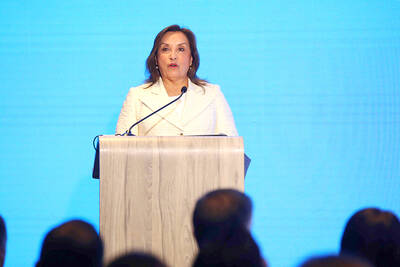
With an approval rating of just two percent, Peruvian President Dina Boluarte might be the world’s most unpopular leader, according to pollsters. Protests greeted her rise to power 29 months ago, and have marked her entire term — joined by assorted scandals, investigations, controversies and a surge in gang violence. The 63-year-old is the target of a dozen probes, including for her alleged failure to declare gifts of luxury jewels and watches, a scandal inevitably dubbed “Rolexgate.” She is also under the microscope for a two-week undeclared absence for nose surgery — which she insists was medical, not cosmetic — and is

CAUTIOUS RECOVERY: While the manufacturing sector returned to growth amid the US-China trade truce, firms remain wary as uncertainty clouds the outlook, the CIER said The local manufacturing sector returned to expansion last month, as the official purchasing managers’ index (PMI) rose 2.1 points to 51.0, driven by a temporary easing in US-China trade tensions, the Chung-Hua Institution for Economic Research (CIER, 中華經濟研究院) said yesterday. The PMI gauges the health of the manufacturing industry, with readings above 50 indicating expansion and those below 50 signaling contraction. “Firms are not as pessimistic as they were in April, but they remain far from optimistic,” CIER president Lien Hsien-ming (連賢明) said at a news conference. The full impact of US tariff decisions is unlikely to become clear until later this month
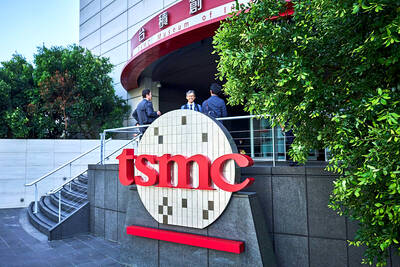
GROWING CONCERN: Some senior Trump administration officials opposed the UAE expansion over fears that another TSMC project could jeopardize its US investment Taiwan Semiconductor Manufacturing Co (TSMC, 台積電) is evaluating building an advanced production facility in the United Arab Emirates (UAE) and has discussed the possibility with officials in US President Donald Trump’s administration, people familiar with the matter said, in a potentially major bet on the Middle East that would only come to fruition with Washington’s approval. The company has had multiple meetings in the past few months with US Special Envoy to the Middle East Steve Witkoff and officials from MGX, an influential investment vehicle overseen by the UAE president’s brother, the people said. The conversations are a continuation of talks that
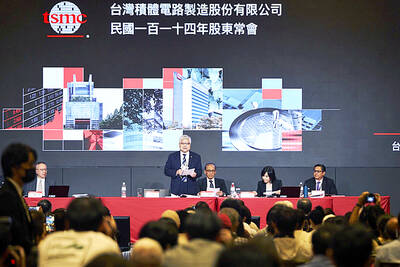
CHIP DUTIES: TSMC said it voiced its concerns to Washington about tariffs, telling the US commerce department that it wants ‘fair treatment’ to protect its competitiveness Taiwan Semiconductor Manufacturing Co (TSMC, 台積電) yesterday reiterated robust business prospects for this year as strong artificial intelligence (AI) chip demand from Nvidia Corp and other customers would absorb the impacts of US tariffs. “The impact of tariffs would be indirect, as the custom tax is the importers’ responsibility, not the exporters,” TSMC chairman and chief executive officer C.C. Wei (魏哲家) said at the chipmaker’s annual shareholders’ meeting in Hsinchu City. TSMC’s business could be affected if people become reluctant to buy electronics due to inflated prices, Wei said. In addition, the chipmaker has voiced its concern to the US Department of Commerce


 RSS
RSS