


MINING
AngloGold back into black
AngloGold Ashanti Ltd swung to a first-half profit after costs declined and output rose as the world’s third-largest gold producer prepares for a change in leadership. AngloGold reported adjusted headline earnings, which exclude some one-time items, of US$85 million for the six months through June, compared with a loss of US$93 million in the same period last year. Net debt dropped 17 percent year-on-year, to US$1.79 billion, the company said. So-called all-in sustaining costs fell 5 percent to US$1,020 per ounce and production from retained operations rose 4 percent. For the full year, AngloGold has forecast all-in sustaining costs of US$990 to US$1,060 an ounce and production of 3.33 million to 3.45 million ounces.
CLOUD COMPUTING
AirTrunk raises US$621m
Goldman Sachs Group Inc-backed AirTrunk has raised A$850 million (US$621 million) to fund the expansion of its two Australian datacenters and a move into Asia to take advantage of a growing cloud computing market. AirTrunk is taking advantage of a surge in cloud computing as companies that once ran in-house servers shift storage and processing off-site. AirTrunk provides its clients with the physical space, Internet connections, power and cooling for their own servers. The bulk of the money raised in loans, about A$750 million, is to be spent expanding its current facilities in Sydney and Melbourne, AirTrunk founder Robin Khuda said.
E-COMMERCE
Rocket CFO leaving firm
Rocket Internet SE CEO Oliver Samwer will take on chief financial officer (CFO) duties from October, with Peter Kimpel, the CFO who oversaw the German Internet company’s 2014 initial public offering, departing the business. Kimpel is to leave that month to pursue a new management challenge, the Berlin-based company said in a statement yesterday, without giving further details. The former Goldman Sachs Group Inc banker joined Rocket Internet four years ago ahead of its initial listing and has helped it become known as one of Germany’s few successful Internet companies. His departure puts more responsibility in the hands of Samwer, who started the company with his brothers Marc and Alexander.
ELECTRONIC SPORTS
Dota 2 pool nears US$25m
Multiplayer online battle game Dota 2’s marquee event has broken its own record for the biggest prize pool in e-sports history with a purse approaching US$25 million. “The International” surpassed last year’s total of US$24,787,916 on Sunday night, marking the sixth straight year of increasing prize pools since the tournament moved to a crowd-funded format in 2013. Fans boost the tournament pot via in-game microtransactions, with Dota 2 developer Valve Corp also supplying US$1.6 million in prize money.
BEVERAGES
PepsiCo to buy SodaStream
PepsiCo yesterday said that it plans to buy SodaStream, an Israeli maker of carbonation products, for US$3.2 billion as the beverage and snacks giant makes further inroads with in-home goods. The cash deal would see PepsiCo pay US$144 per share for SodaStream’s outstanding stock, a 32 percent premium over its average price of the past 30 days. While the boards of directors of both companies have approved the deal, it is still subject to a SodaStream shareholder vote, regulatory approvals and other conditions, PepsiCo said. PepsiCo last year had US$63 billion in revenue.
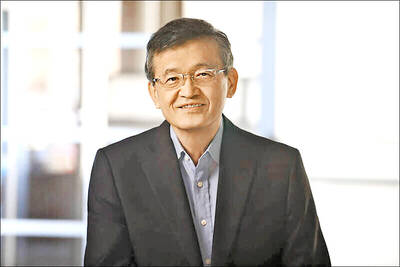
Intel Corp chief executive officer Lip-Bu Tan (陳立武) is expected to meet with Taiwanese suppliers next month in conjunction with the opening of the Computex Taipei trade show, supply chain sources said on Monday. The visit, the first for Tan to Taiwan since assuming his new post last month, would be aimed at enhancing Intel’s ties with suppliers in Taiwan as he attempts to help turn around the struggling US chipmaker, the sources said. Tan is to hold a banquet to celebrate Intel’s 40-year presence in Taiwan before Computex opens on May 20 and invite dozens of Taiwanese suppliers to exchange views

Application-specific integrated circuit designer Faraday Technology Corp (智原) yesterday said that although revenue this quarter would decline 30 percent from last quarter, it retained its full-year forecast of revenue growth of 100 percent. The company attributed the quarterly drop to a slowdown in customers’ production of chips using Faraday’s advanced packaging technology. The company is still confident about its revenue growth this year, given its strong “design-win” — or the projects it won to help customers design their chips, Faraday president Steve Wang (王國雍) told an online earnings conference. “The design-win this year is better than we expected. We believe we will win

Chizuko Kimura has become the first female sushi chef in the world to win a Michelin star, fulfilling a promise she made to her dying husband to continue his legacy. The 54-year-old Japanese chef regained the Michelin star her late husband, Shunei Kimura, won three years ago for their Sushi Shunei restaurant in Paris. For Shunei Kimura, the star was a dream come true. However, the joy was short-lived. He died from cancer just three months later in June 2022. He was 65. The following year, the restaurant in the heart of Montmartre lost its star rating. Chizuko Kimura insisted that the new star is still down

While China’s leaders use their economic and political might to fight US President Donald Trump’s trade war “to the end,” its army of social media soldiers are embarking on a more humorous campaign online. Trump’s tariff blitz has seen Washington and Beijing impose eye-watering duties on imports from the other, fanning a standoff between the economic superpowers that has sparked global recession fears and sent markets into a tailspin. Trump says his policy is a response to years of being “ripped off” by other countries and aims to bring manufacturing to the US, forcing companies to employ US workers. However, China’s online warriors


 RSS
RSS