


Fourteen people were charged with fraud and conspiracy in a dramatic widening of an insider trading scandal that has ensnared hedge fund managers, top Silicon Valley executives and a bevy of white-shoe advisers.
In complaints that read like scripts for the TV series The Sopranos, investigators alleged suspects dropped off bags full of cash, used prepaid cellphones to dodge wiretaps and used nicknames such as “the Greek” and “the Octopussy.”
“Some of the defendants — taking a page from the drug dealer’s playbook — deliberately used anonymous, hard-to-trace, prepaid cellphones in order to avoid detection,” US Attorney for the Southern District of New York Preet Bharara told a news conference on Thursday.
“When sophisticated business people begin to adopt the methods of common criminals, we have no choice but to treat them as such,” he added.
Federal prosecutors have alleged that it involved US$40 million in insider trading profits based on their investigation so far. The US Securities and Exchange Commission estimated the amount at US$53 million. The SEC total includes some profits not reflected in the criminal probe.
The latest charges involve some of the same companies and individuals implicated in the Galleon Group insider trading scandal that broke three weeks ago. It was unclear whether the illegal networks were linked.
“People will probably ask just how pervasive is insider trading these days? Is this just the tip of the iceberg?” Bharara said. “We aim to find out.”
In the largest branch of the investigation, Zvi Goffer, manager of New York-based trading firm Incremental Capital, was accused of leading an insider trading ring that netted US$11 million.
Prosecutors said they had uncovered illegal profits of more than US$20 million, on top of the $20 million that authorities say was pocketed by the Galleon Group.
The Galleon case is already the biggest hedge fund insider trading scheme in Wall Street history, and in Thursday’s complaint one of the suspects admitted to years of insider trading apparently overlapping with his time at a former job at SAC Capital, perhaps the nation’s best-known hedge fund.
Raj Rajaratnam, Galleon’s billionaire founder, is accused of masterminding the operation. He lost a bid to have his US$100 million bail reduced, though a US magistrate judge agreed to ease his travel restrictions.
The Galleon case is turning into one of the biggest insider trading rings since the Ivan Boesky scandal of the 1980s led to the end of a gilded age for Wall Street and ultimately brought down Michael Milken’s Drexel Burnham Lambert.
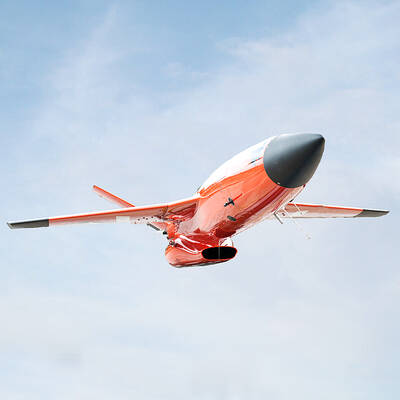
The Chien Feng IV (勁蜂, Mighty Hornet) loitering munition is on track to enter flight tests next month in connection with potential adoption by Taiwanese and US armed forces, a government source said yesterday. The kamikaze drone, which boasts a range of 1,000km, debuted at the Taipei Aerospace and Defense Technology Exhibition in September, the official said on condition of anonymity. The Chungshan Institute of Science and Technology and US-based Kratos Defense jointly developed the platform by leveraging the engine and airframe of the latter’s MQM-178 Firejet target drone, they said. The uncrewed aerial vehicle is designed to utilize an artificial intelligence computer
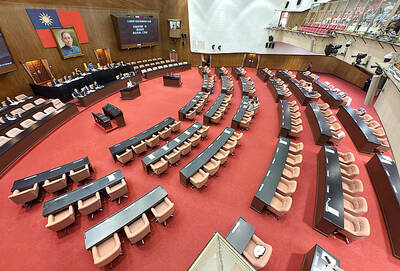
The Chinese Nationalist Party (KMT) caucus yesterday decided to shelve proposed legislation that would give elected officials full control over their stipends, saying it would wait for a consensus to be reached before acting. KMT Legislator Chen Yu-jen (陳玉珍) last week proposed amendments to the Organic Act of the Legislative Yuan (立法院組織法) and the Regulations on Allowances for Elected Representatives and Subsidies for Village Chiefs (地方民意代表費用支給及村里長事務補助費補助條例), which would give legislators and councilors the freedom to use their allowances without providing invoices for reimbursement. The proposal immediately drew criticism, amid reports that several legislators face possible charges of embezzling fees intended to pay
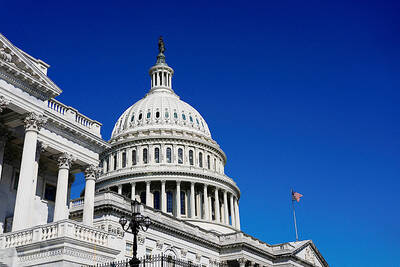
REQUIREMENTS: The US defense secretary must submit a Taiwan security assistance road map and an appraisal of Washington’s ability to respond to Indo-Pacific conflict The US Congress has released a new draft of the National Defense Authorization Act (NDAA), which includes up to US$1 billion in funding for Taiwan-related security cooperation next year. The version published on Sunday by US House of Representatives Speaker Mike Johnson removed earlier language that would have invited Taiwan to participate in the US-led Rim of the Pacific Exercise (RIMPAC). A statement on Johnson’s Web page said the NDAA “enhances U.S. defense initiatives in the Indo-Pacific to bolster Taiwan’s defense and support Indo-Pacific allies.” The bill would require the US secretary of defense to “enable fielding of uncrewed and anti-uncrewed systems capabilities”

Renewed border fighting between Thailand and Cambodia showed no signs of abating yesterday, leaving hundreds of thousands of displaced people in both countries living in strained conditions as more flooded into temporary shelters. Reporters on the Thai side of the border heard sounds of outgoing, indirect fire yesterday. About 400,000 people have been evacuated from affected areas in Thailand and about 700 schools closed while fighting was ongoing in four border provinces, said Thai Rear Admiral Surasant Kongsiri, a spokesman for the military. Cambodia evacuated more than 127,000 villagers and closed hundreds of schools, the Thai Ministry of Defense said. Thailand’s military announced that


 RSS
RSS