


At least 65 people were killed and 85 wounded when suicide bombers blew themselves up yesterday amid worshippers at two Shiite mosques in Khanaqin, northeast of Baghdad, an Iraqi interior ministry source said.
"It is possible that the death toll will increase," said Kariran Ahmed Medid, the head of the main Khanaqin hospital.
The hospital director spoke less than three hours after two suicide bombers wearing explosive belts walked into the Greater and the Smaller Khanaqin mosques during prayers and blew themselves up.
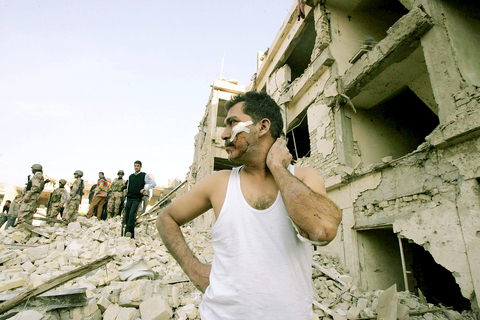
PHOTO: EPA
Authorities immediately imposed a curfew in the majority Shiite Kurdish town near the Iranian border, some 170km from Baghdad
A member of the local council said the death toll could exceed 100.
Another blast was reported near a bank in the town, police said.
Ibrahim Ahmed Bajalan, a member of the Diyala Provincial Council, said the destruction was so bad that many bodies were trapped in the rubble of the mosques and couldn't be easily extracted.
"I think there are more than 100 people dead," he told reporters.
The attacks in Khanaqin, a mixed Shiite and Kurdish town, seemed certain to fuel sectarian tensions ahead of a Dec. 15 election that Washington hopes will pave the way for peace and democracy two and a half year after the US-led invasion.
The Shiite- and Kurdish-led government and its US backers are fighting a mainly Sunni Arab insurgency that has frequently targeted civilians in crowded places like mosques and markets.
Police said the bombers entered the small mosques in Khanaqin with explosive belts strapped to their waists and detonated themselves when the buildings were at their busiest -- during prayers on the Muslim holy day.
In Baghdad earlier yesterday, two suicide truck bombs targeted a prominent hotel but failed to pierce the perimeter and destroyed an apartment block instead, killing at least six people, including two children, police said.
The blast was also in the area of an Interior Ministry prison bunker at the center of a detainee abuse scandal that has deepened sectarian tensions, but the US military and security experts said the al-Hamarra Hotel was the primary target.
Police said at least six people died and 40 were wounded in the near simultaneous blasts. There were no reports of foreign casualties. Witnesses at the hotel said some victims' body parts were found in the swimming pool and in the street outside.
Security camera footage showed a white van driving up to blast walls at the perimeter of the hotel complex and exploding. About 20 seconds later the second explosion blew out the camera.
The nearby apartment building was reduced to rubble, about 20 cars were destroyed and dozens of firefighters and soldiers were searching for residents trapped beneath wreckage.
Distraught women in black veils slapped their heads as they surveyed the destruction. A man embraced a weeping woman.
US Colonel Ed Cardon told reporters at the scene that two vehicles drove at blast walls protecting the al-Hamarra.
The plan appeared to be for the first to open a path for the second to breach the outer defenses and cause more damage, he said.
A foreign security consultant said it looked like a clear attempt to get inside the hotel compound.
It was the second major attack on high-profile hotels in Baghdad in a month. The Sheraton and Palestine hotels were hit late last month.
About three hours later, US troops blew up a suspected car bomb in the same area.
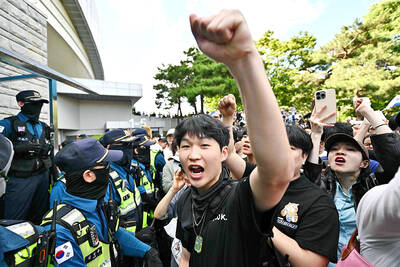
‘ABSURD MISTAKE’: The election commission said that there had been a failure to anticipate turnout after 14 polling stations ran short of ballot papers South Korean riot police yesterday cleared protesters from a Seoul polling station after a 35-hour blockade sparked by a shortage of ballot papers during local elections earlier this week. Wednesday’s election was the first nationwide vote since South Korean President Lee Jae-myung took office following the ouster of Yoon Suk-yeol over his short-lived martial law declaration. Lee’s ruling Democratic Party swept most races, but failed to flip the crucial Seoul mayoral seat. The South Korean National Election Commission apologized, blaming a failure to anticipate turnout after 14 polling stations in Seoul ran short of ballot papers. Some polling stations stayed open until 10pm to

France experienced its hottest spring on record, the French weather service said on Tuesday, after an exceptional early heat wave that also broke highs for the season in England and Wales. Meteo-France said the average nationwide temperature over March to May was 13.8°C — about 1.7°C above the norm, and surpassing records set in 2011 and 2020. “The warmest spring since records began in 1900,” it said in a bulletin. All three months were warmer than average, but the onset of an “unprecedented heatwave” late last month pushed the mercury to highs typically seen at the height of the summer. “Our country had never
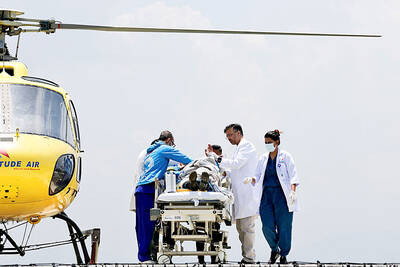
A Sherpa guide was found crawling to base camp on Mount Everest a week after he went missing and was reunited with his family, who had given up hope he would return. Dawa Sherpa was last seen on Friday last week descending the mountain, but he did not reach base camp even though his client did. The pair were among the last climbers on the mountain as the climbing season came to an end and the route was dismantled. Dawa was located by a cleaning crew on Thursday morning as he was crawling down the snowy slopes around the Khumbu Icefall, just above
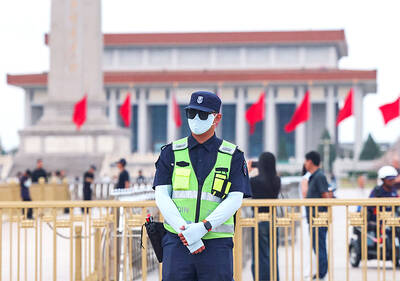
Chinese authorities are snuffing out any remembrance of the deadly 1989 military crackdown on student-led pro-democracy protests in Tiananmen Square, which happened 37 years ago yesterday, in a further tightening of a years-long campaign to erase what happened from public memory. Police told relatives of the victims they would not be allowed to visit a cemetery in Beijing on the anniversary of the crackdown, a person with knowledge of the matter said. Relatives of the victims visited the cemetery on the anniversary for more than 30 years to read memorial statements with police keeping watch, Amnesty International said. Hundreds of people,


 RSS
RSS