


Independent medical evidence supports a claim that Iraqi hotel workers were kicked and beaten repeatedly by British troops in Basra until one of them died, the solicitor bringing a series of test cases to the high court said on Tuesday.
Outlining the allegations of physical abuse and fatal shootings before today's hearing, Phil Shiner said his firm, Public Interest Lawyers, was helping Iraqis pursue 27 reports of unlawful killings, eight of torture and two of serious injury.
The judicial review by the high court of six test cases of Iraqis allegedly killed by servicemen in the British-controlled sector of southern Iraq after the war ended has been sought in an attempt to overturn the government's refusal to order an independent inquiry into the death of Iraqi civilians.
"This case involves issues which are not only important to the victims and their families and their right to redress," Shiner said, "but significant in ... ensuring that future conflicts, occupation and peacekeeping operations are subject to human rights law."
Two judges will assess whether the UK's Human Rights Act can be applied to British troops during the occupation and whether there should be an independent inquiry. The cases are likely to cause the Blair government severe political embarrassment.
A public inquiry could lead to the prosecution of British troops for war crimes and enable the victims' families to seek compensation.
The hearing will last several days and judgment is expected to be reserved. The case could go to the House of Lords, and possibly to the European court of human rights.
Kifah Taha al-Mutari, a hotel worker who alleges that he was tortured by soldiers from the Queen's Lancashire Regiment, gave a brief statement.
"I was taken away [last September] and held in custody for three days. I was released without charge and taken to a British military hospital. I was told that I had developed acute renal failure as a results of the beatings," he said.
"I wish to know why I was detained and treated so badly by British troops ... my treatment was inhumane, illegal and unjustified."
An independent medical report by a British consultant, due to be presented to the court, says: "Evidence of bruising, acute renal failure and very high [enzyme] levels make it almost certain that the report history of deliberate injury was, indeed, correct."
If medical treatment had not subsequently been given, "I would have expected him to have died within a period of a few days."
Baha Mousa, a hotel reception-ist, did die, allegedly as a result of being repeatedly "kickboxed" against a wall by soldiers trying to extract information on the whereabouts of the hotel owner.
His father, a colonel in the Basra police force, will attend the hearing.
He was held up Tuesday by visa problems and Shiner issued a statement on his behalf.
"When I saw my son's body, I was horrified. He had been beaten so severely, I could not bear to look at him.We were offered $5,000 but my family turned this down because it was an insult to our dignity.
The crime was horrendous and his two sons, aged three and five, have been left fatherless."
Mousa's case is one the cases under review. Kifah Taha al- Mutari is a witness to his detention.
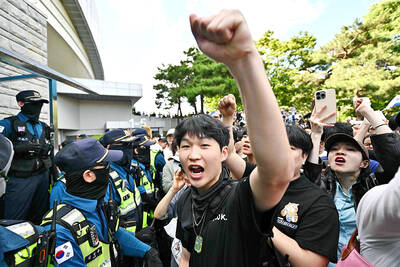
‘ABSURD MISTAKE’: The election commission said that there had been a failure to anticipate turnout after 14 polling stations ran short of ballot papers South Korean riot police yesterday cleared protesters from a Seoul polling station after a 35-hour blockade sparked by a shortage of ballot papers during local elections earlier this week. Wednesday’s election was the first nationwide vote since South Korean President Lee Jae-myung took office following the ouster of Yoon Suk-yeol over his short-lived martial law declaration. Lee’s ruling Democratic Party swept most races, but failed to flip the crucial Seoul mayoral seat. The South Korean National Election Commission apologized, blaming a failure to anticipate turnout after 14 polling stations in Seoul ran short of ballot papers. Some polling stations stayed open until 10pm to

France experienced its hottest spring on record, the French weather service said on Tuesday, after an exceptional early heat wave that also broke highs for the season in England and Wales. Meteo-France said the average nationwide temperature over March to May was 13.8°C — about 1.7°C above the norm, and surpassing records set in 2011 and 2020. “The warmest spring since records began in 1900,” it said in a bulletin. All three months were warmer than average, but the onset of an “unprecedented heatwave” late last month pushed the mercury to highs typically seen at the height of the summer. “Our country had never
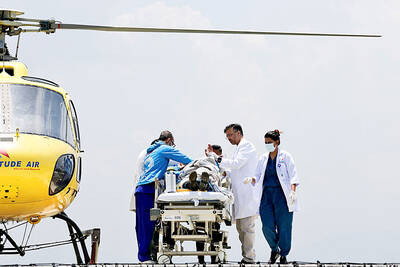
A Sherpa guide was found crawling to base camp on Mount Everest a week after he went missing and was reunited with his family, who had given up hope he would return. Dawa Sherpa was last seen on Friday last week descending the mountain, but he did not reach base camp even though his client did. The pair were among the last climbers on the mountain as the climbing season came to an end and the route was dismantled. Dawa was located by a cleaning crew on Thursday morning as he was crawling down the snowy slopes around the Khumbu Icefall, just above
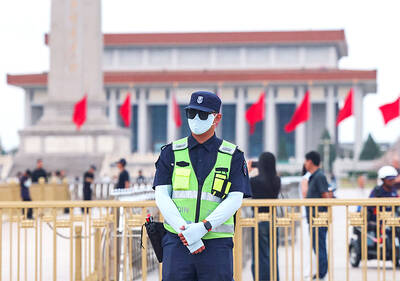
Chinese authorities are snuffing out any remembrance of the deadly 1989 military crackdown on student-led pro-democracy protests in Tiananmen Square, which happened 37 years ago yesterday, in a further tightening of a years-long campaign to erase what happened from public memory. Police told relatives of the victims they would not be allowed to visit a cemetery in Beijing on the anniversary of the crackdown, a person with knowledge of the matter said. Relatives of the victims visited the cemetery on the anniversary for more than 30 years to read memorial statements with police keeping watch, Amnesty International said. Hundreds of people,


 RSS
RSS