


Pregnant women and infants should temporarily avoid visiting Japan, as there have been outbreaks of measles and rubella (German measles) there, the Centers for Disease Control (CDC) said in an official warning yesterday.
A total of 148 measles cases were confirmed in Japan between Jan. 1 and Feb. 3, the highest number for the first five weeks of the year since 2013, with 49 cases in Mie Prefecture and 43 in Osaka Prefecture, the centers said.
About 2,900 cases of rubella were confirmed in Japan last year, the second-highest annual number in a decade, and the outbreak has continued to spread this year, the agency said.

Photo provided by the Centers for Disease Control
Between Jan. 1 and Feb. 3, 367 cases of rubella were confirmed in Japan, with 101 cases in Tokyo Metropolis, 57 cases in Kanagawa Prefecture and 37 cases in Chiba Prefecture.
Measles and rubella are highly contagious, CDC Deputy Director-General Philip Lo (羅一鈞) said, adding that rubella infection can result in stillbirth, miscarriage, preterm birth and a variety of birth defects, including deafness, glaucoma, cataracts, intellectual disabilities and heart defects.
Newborn babies have about a 90 percent chance of developing congenital rubella syndrome if the mother was infected with rubella in the first 12 weeks of her pregnancy, Lo said.
Pregnant women and infants younger than 12 months are at higher risk of developing complications from measles and rubella infection, so they should avoid visiting Japan if possible, he said.
Children older than six months, but under 12 months of age should be given a measles, mumps and rubella (MMR) vaccine two weeks before traveling to areas that have had outbreaks, he added.
However, MMR vaccines cannot be administered to pregnant women or those attempting to conceive, Lo said, adding that they should consult a doctor if they must travel to high-risk prefectures.
People born in or after 1981 who plan to visit Japan should see a doctor to evaluate whether they need to receive MMR vaccinations before traveling, he said.

Actor Darren Wang (王大陸) was sentenced to six months in prison, commutable to a fine, by the New Taipei District Court today for contravening the Personal Data Protection Act (個人資料保護法) in a case linked to an alleged draft-dodging scheme. Wang allegedly paid NT$3.6 million (US$114,380) to an illegal group to help him evade mandatory military service through falsified medical documents, prosecutors said. He transferred the funds to Chen Chih-ming (陳志明), the alleged mastermind of a draft-evasion ring, although he lost contact with him as he was already in detention on fraud charges, they said. Chen is accused of helping a
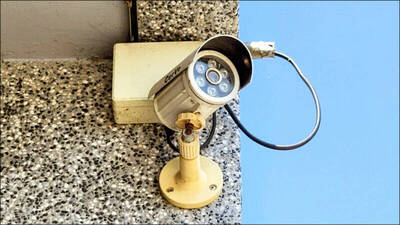
UNREASONABLE SURVEILLANCE: A camera targeted on an road by a neighbor captured a man’s habitual unsignaled turn into home, netting him dozens of tickets The Taichung High Administrative Court has canceled all 45 tickets given to a man for failing to use a turn signal while driving, as it considered long-term surveillance of his privacy more problematic than the traffic violations. The man, surnamed Tseng (曾), lives in Changhua County and was reported 45 times within a month for failing to signal while driving when he turned into the alley where his residence is. The reports were filed by his neighbor, who set up security cameras that constantly monitored not only the alley but also the door and yard of Tseng’s house. The surveillance occurred from July

SECURITY: Starlink owner Elon Musk has taken pro-Beijing positions, and allowing pro-China companies to control Taiwan’s critical infrastructure is risky, a legislator said Starlink was reluctant to offer services in Taiwan because of the nation’s extremely high penetration rates in 4G and 5G services, the Ministry of Digital Affairs said yesterday. The ministry made the comments at a meeting of the legislature’s Transportation Committee, which reviewed amendments to Article 36 of the Telecommunications Management Act (電信管理法). Article 36 bans foreigners from holding more than 49 percent of shares in public telecommunications networks, while shares foreigners directly and indirectly hold are also capped at 60 percent of the total, unless specified otherwise by law. The amendments, sponsored by Chinese Nationalist Party (KMT) Legislator Ko
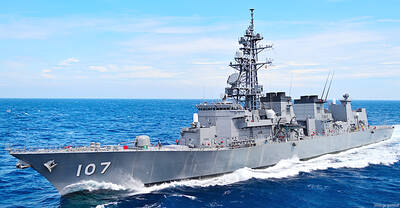
A Japan Self-Defense Forces vessel entered the Taiwan Strait yesterday, Japanese media reported. After passing through the Taiwan Strait, the Ikazuchi was to proceed to the South China Sea to take part in a joint military exercise with the US and the Philippines, the reports said. Japan Self-Defense Force vessels were first reported to have passed through the strait in September, 2024, with two further transits taking place in February and June last year, the Asahi Shimbun reported. Yesterday’s transit also marked the first time since Japanese Prime Minister Sanae Takaichi took office that a Japanese warship has been sent through the Taiwan


 RSS
RSS