


A four-minute air show for the Double Ten National Day ceremony in Taipei yesterday marked the largest warplane fly-by ever staged in Taiwan.
The aerial show began with helicopters flying in formation, including three S-70C air force search-and-rescue helicopters, three S-70C navy marine-patrol helicopters, six OH-58D Kiowa Warrior helicopters, six UH-1H utility helicopters, six AH-1W attack helicopters and three CH-47SD medium transport helicopters.
Six low-velocity aircraft, comprising three BH-1900 and three C-130H transport planes, passed by the Presidential Office after the helicopters.
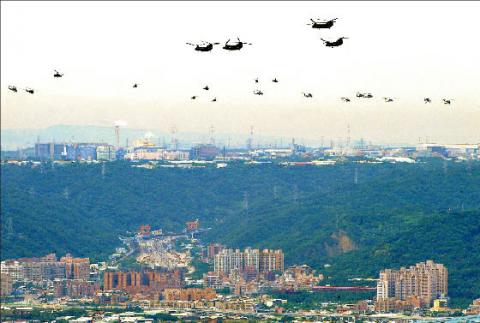
Photo: Lu Chun-wei, Taipei Times
Those were followed by two 15-strong formations of the nation’s most modern fighters — five F-16s, five Indigenous Defense Fighters and five Mirage 2000-5s.
The event ended with seven AT-3 jet trainers from the Thunder Tiger Aerobatics Team flying in formation and emitting red, white and blue smoke trails.
A total of 71 aircraft were involved in the show.
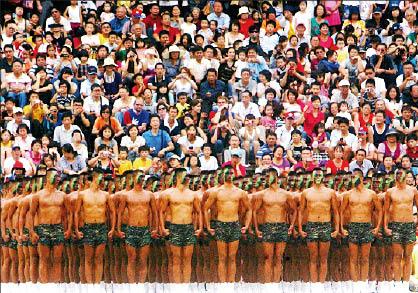
Photo: CNA
The military aircraft entered Taipei airspace from the Tamsui River (淡水河) estuary and flew over Boai Special District (博愛特區), the country’s political nerve center.
A parachute-jumping display followed the fly-by.
Twelve members of the army’s Dragon Group jumped from a CH-47SD helicopter at an altitude of 1,524m northeast of the Presidential Office.
The crowd was enthralled as the paratroopers floated down from the sky and applause erupted when six of them landed on the Presidential Office plaza.
However, only five landed directly on target on Ketagalan Boulevard in front of the Presidential Office, while one member landed safely in a control area on Chongqing S Road. The remaining six landed in three separate parks near the Presidential Office.
Military spokesperson Colonel David Lo (羅紹和) said air turbulence had compromised a precision landing, adding that a parachutist had sustained a minor injury to a leg during landing.
This was the first time in years a skydiving show was held as part of the Double Ten National Day celebrations. In previous ceremonies, the event had been canceled because of poor weather.
A ground parade was also held, which involved PAC-3 missile batteries; Hsiung Feng III anti-ship missile batteries; Tien Kung III air defense missile batteries; Ray Ting 2000 multiple-rocket launch systems; unmanned aerial vehicles; 11,356 liter water purifier vehicles; nuclear, biological and chemical reconnaissance vehicles; decontamination vehicles associated with chemical weapons activity; and various multifunction squad cars.
A total of 168 vehicles took part in the parade.
Additional reporting by CNA

Actor Darren Wang (王大陸) was sentenced to six months in prison, commutable to a fine, by the New Taipei District Court today for contravening the Personal Data Protection Act (個人資料保護法) in a case linked to an alleged draft-dodging scheme. Wang allegedly paid NT$3.6 million (US$114,380) to an illegal group to help him evade mandatory military service through falsified medical documents, prosecutors said. He transferred the funds to Chen Chih-ming (陳志明), the alleged mastermind of a draft-evasion ring, although he lost contact with him as he was already in detention on fraud charges, they said. Chen is accused of helping a
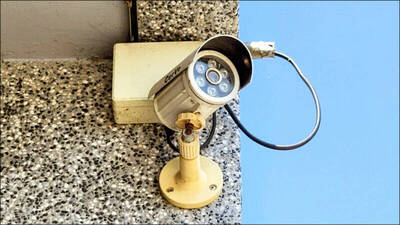
UNREASONABLE SURVEILLANCE: A camera targeted on an road by a neighbor captured a man’s habitual unsignaled turn into home, netting him dozens of tickets The Taichung High Administrative Court has canceled all 45 tickets given to a man for failing to use a turn signal while driving, as it considered long-term surveillance of his privacy more problematic than the traffic violations. The man, surnamed Tseng (曾), lives in Changhua County and was reported 45 times within a month for failing to signal while driving when he turned into the alley where his residence is. The reports were filed by his neighbor, who set up security cameras that constantly monitored not only the alley but also the door and yard of Tseng’s house. The surveillance occurred from July
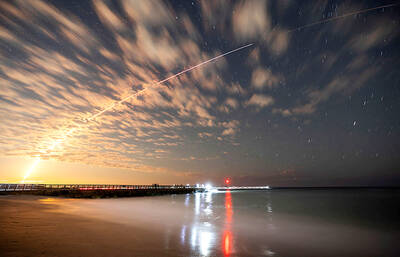
SECURITY: Starlink owner Elon Musk has taken pro-Beijing positions, and allowing pro-China companies to control Taiwan’s critical infrastructure is risky, a legislator said Starlink was reluctant to offer services in Taiwan because of the nation’s extremely high penetration rates in 4G and 5G services, the Ministry of Digital Affairs said yesterday. The ministry made the comments at a meeting of the legislature’s Transportation Committee, which reviewed amendments to Article 36 of the Telecommunications Management Act (電信管理法). Article 36 bans foreigners from holding more than 49 percent of shares in public telecommunications networks, while shares foreigners directly and indirectly hold are also capped at 60 percent of the total, unless specified otherwise by law. The amendments, sponsored by Chinese Nationalist Party (KMT) Legislator Ko
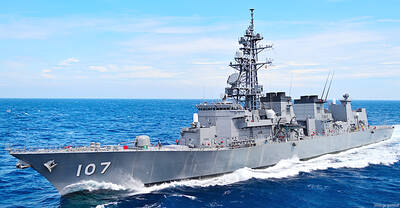
A Japan Self-Defense Forces vessel entered the Taiwan Strait yesterday, Japanese media reported. After passing through the Taiwan Strait, the Ikazuchi was to proceed to the South China Sea to take part in a joint military exercise with the US and the Philippines, the reports said. Japan Self-Defense Force vessels were first reported to have passed through the strait in September, 2024, with two further transits taking place in February and June last year, the Asahi Shimbun reported. Yesterday’s transit also marked the first time since Japanese Prime Minister Sanae Takaichi took office that a Japanese warship has been sent through the Taiwan


 RSS
RSS