


A: No wonder they say that a new hairstyle can transform you: I feel like a new person. Next time I might try dyeing my hair.
B: And I feel much more comfortable, too, after having a haircut. The barber even tidies up my nasal hair for me!
A: What a comprehensive service! I also saw a young woman with really long, shiny hair, done up in a plait, and the hairdresser just cut it short with a single snip.

Photo: Pixabay 照片:Pixabay
B: Wow. Won’t she regret that?
A: She said she wanted to donate it to charity, to make it into wigs.
B: Hmm, I’ve also heard that some people collect hair that has been cut and use its absorbent properties to clean up oil spillages in the ocean.
A: 難怪人家說換個髮型,就像換了心情,我現在覺得煥然一新。下次我要來試試看染頭髮。
B: 我剪過頭髮也覺得清爽很多。理髮師還幫我修剪鼻毛咧!
A: 服務真周到!我還看到一個女孩子,頭髮好長好亮,綁成辮子,然後美髮師一刀把它剪斷了!
B: 哇,她不會捨不得啊?
A: 她說要把頭髮捐給慈善機構,可以做成假髮什麼的。
B: 嗯,我也聽說有人收集剪下來的頭髮,利用它吸附油脂的特性來清理海洋中的漏油。
(Translated by Paul Cooper, Taipei Times/台北時報林俐凱)
Audio recordings for Speak Up! dialogues will be suspended until further notice due to the pandemic.

A: Artificial intelligence technology has been causing controversy lately: a student was caught cheating with AI to win the grand prize in an art contest. B: That’s so absurd. Does this mean that AI paints better than humans? A: Maybe. Luckily, the student was later disqualified. B: And more absurdly, it’s becoming more and more popular to use AI technology to “resurrect” people. A: Yeah, some netizens even posted videos featuring the late singer CoCo Lee, who was “resurrected” by them with AI software. A: 人工智慧的爭議不斷,有學生違規使用AI參加美術展,甚至贏得首獎。 B: 真誇張,這是不是代表AI比人類還強大? A: 或許吧,幸好得獎資格被取消。 B: 還有更誇張的︰讓死者重現的「AI復活」技術越來越熱門。 A: 對啊,還有網友製作已故歌后李玟「復活」的影片呢! (By Eddy Chang, Taipei Times/台北時報張聖恩)
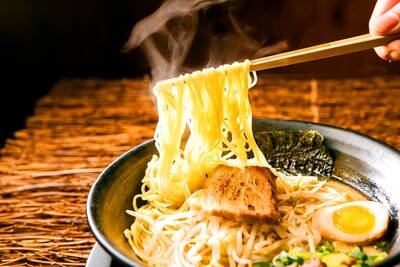
It’s no secret that Japanese people have a deep affection for noodles. Like in the rest of East Asia, noodles are an important staple food, second only to rice. Japanese people have enjoyed noodles for over 1,000 years. The first noodles came from China and were introduced around 800 CE. As time passed, noodles in Japan not only became widespread but also developed some unique Japanese characteristics. The three most popular types of noodles in Japan are ramen, soba, and udon. Ramen, typically made from wheat flour, is usually thin and firm. The dough is kneaded and left to
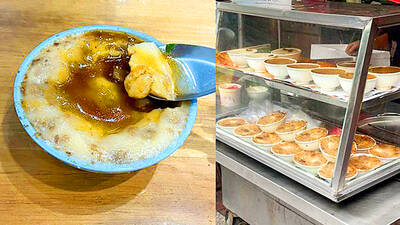
Rice is an essential ingredient in Taiwanese cuisine. Many foods are made of rice, adding more variety to our cooking, such as rice cake, or “gui.” Wagui is made by steaming rice flour batter in a bowl. The term “gui” refers to a type of food made from rice, while “wa” refers to a bowl. The pronunciation of “gui” in Taiwanese Hokkien is similar to the word for “nobility” in Chinese, so it is common for people to prepare various types of gui, including wagui, as offerings to the gods or ancestors,. 米是台灣重要的主食,用米製成的食品十分多元,豐富我們的飲食,如米做成的「粿」。粿的意思是米做成的糕點,碗粿是將在來米漿倒入碗中蒸熟,因而得名。粿因為音同「貴」,因此碗粿等粿食常用作供品祭拜神明和祖先。 nobility (n.) 高貴,高尚;貴族 offering (n.) 供品 While Taiwan may not be

Continued from yesterday(延續自昨日) https://www.taipeitimes.com/News/lang As with many aspects of Japanese culture, there is etiquette to follow when you enjoy noodles. To fully experience noodles like a local on your next visit to Japan, consider these simple guidelines. First, be careful where you put your chopsticks. Don’t leave them sticking up in the broth or set them at the side of the bowl. When you have finished eating or if you’re taking a break, place them on the chopstick rest next to the bowl. Also, it is impolite to wave chopsticks around or bring them above mouth-level. Second, don’t take too


 RSS
RSS